
Home/Wildlife Safe Havens
Homes for wildlife, at every scale.
One nest box in a backyard, a corridor across five farms, or a landscape recovering from fire. We design the habitat, install it with care and keep watching who moves in.
Why hollows matter
The housing crisis nobody sees.
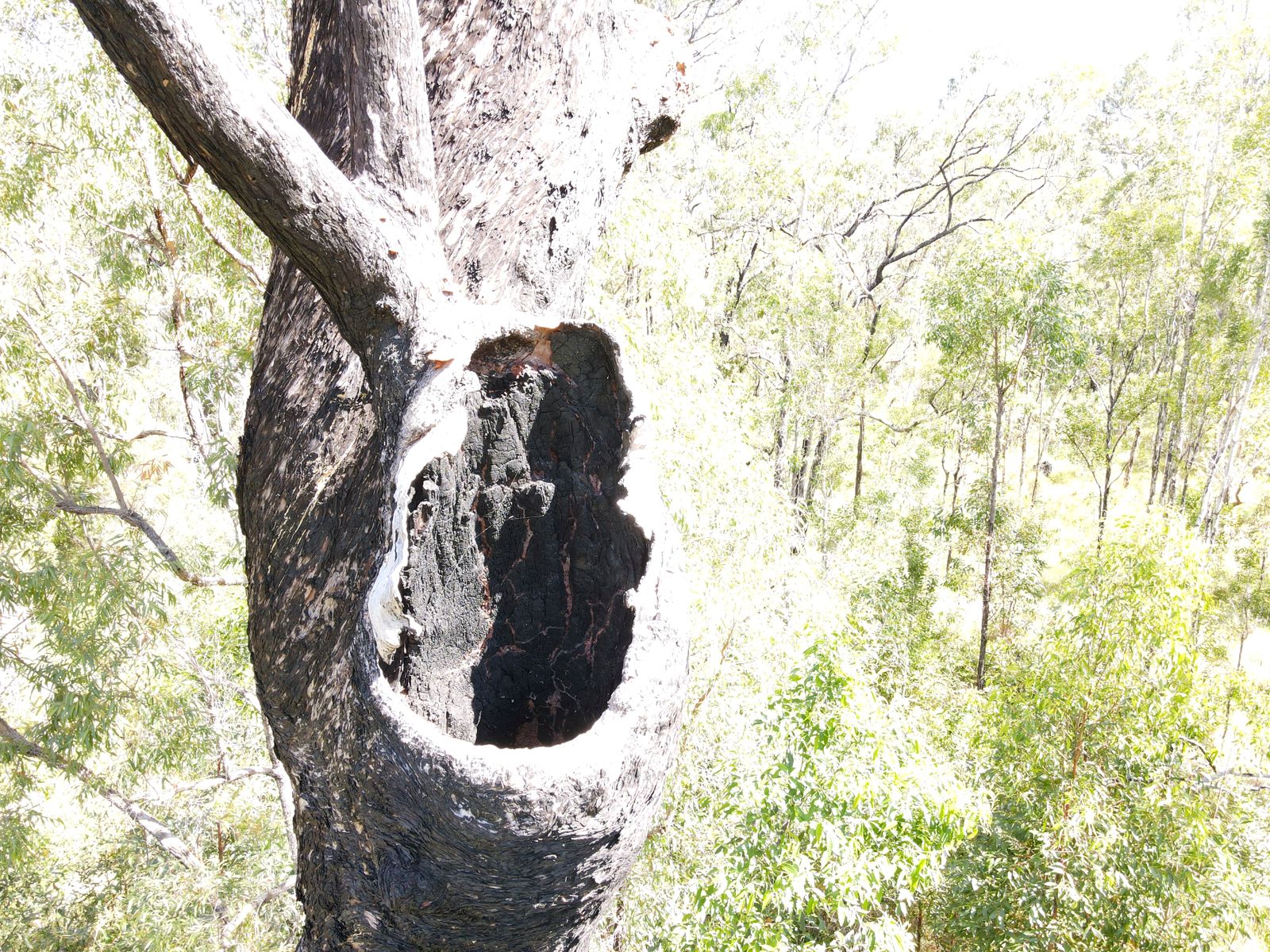
Around 300 species in Australia need tree hollows to shelter and breed. In south-eastern Australia that’s 17% of birds, 42% of mammals and 28% of reptiles, plus thousands of insects. But hollows take 120 years to form, and the big ones that owls and gliders need take 200 years or more.
Clearing, logging and hotter fires are removing old trees faster than new ones can grow. Australia clears around half a million hectares of native vegetation each year. Tree planting is growing, but those trees won’t have hollows for another century.
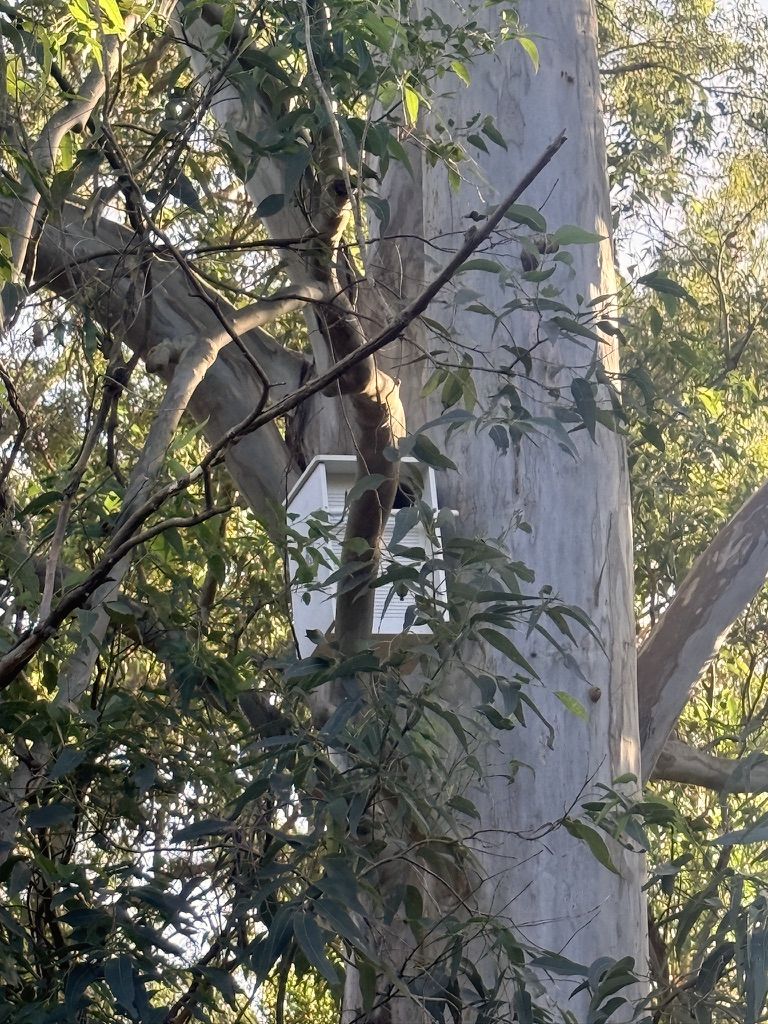
Wildbnb fills that gap now. Well-designed, well-placed artificial hollows give wildlife a home while the landscape heals.
Every scale
Start where you are.
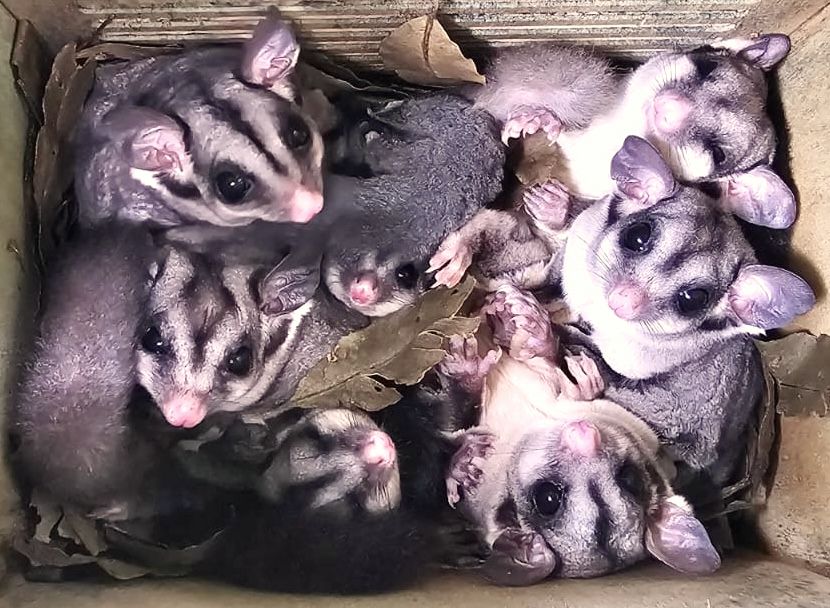
A first home for local wildlife
Two to four boxes chosen for the species already near you. Ready-made packages, installed in half a day.
See packages →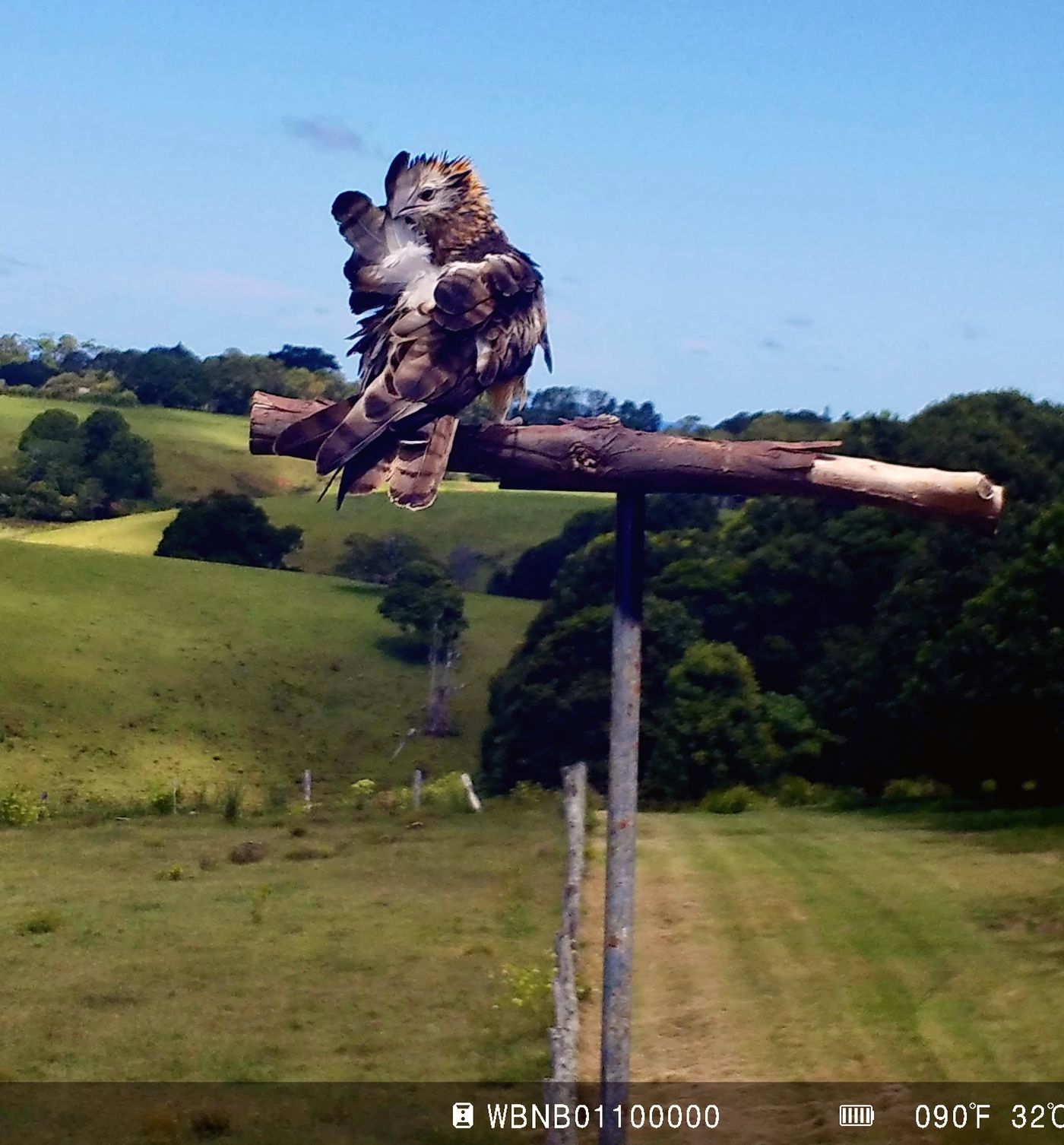
A habitat plan for your land
A mapped plan and a mix of boxes, Hunk-of-Trunk™ hollows and roosts, with monitoring built in.
Request a habitat plan →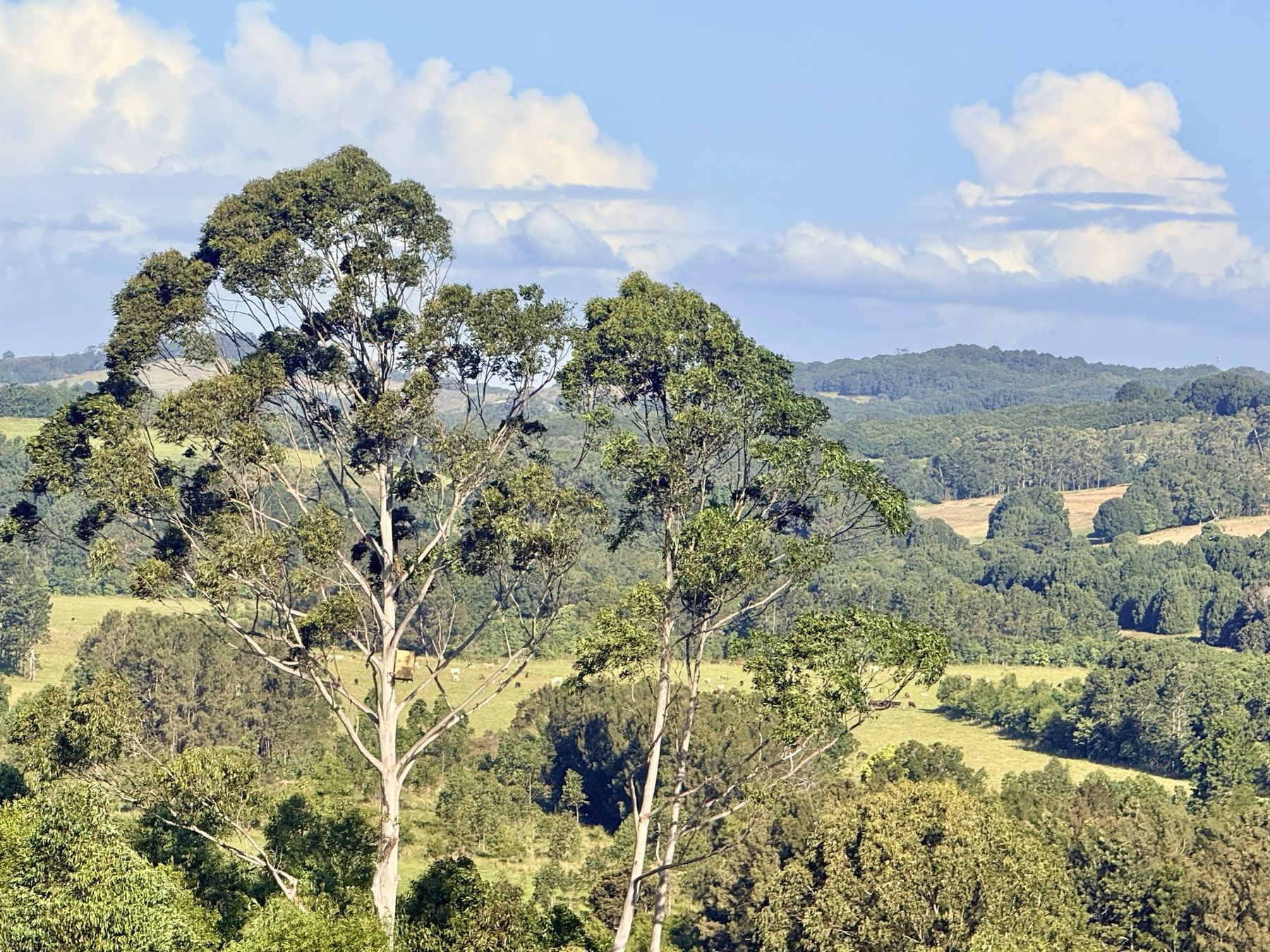
Connected corridors
Networked habitat across regenerating landscapes, linking National Parks, reserves and private land.
See landscape projects →Our habitat
Designed in the field, made to last.
Every hollow is matched to a target species. Boxes are built from Australian-grown hoop pine ply with stainless steel fittings and zero-VOC coatings.
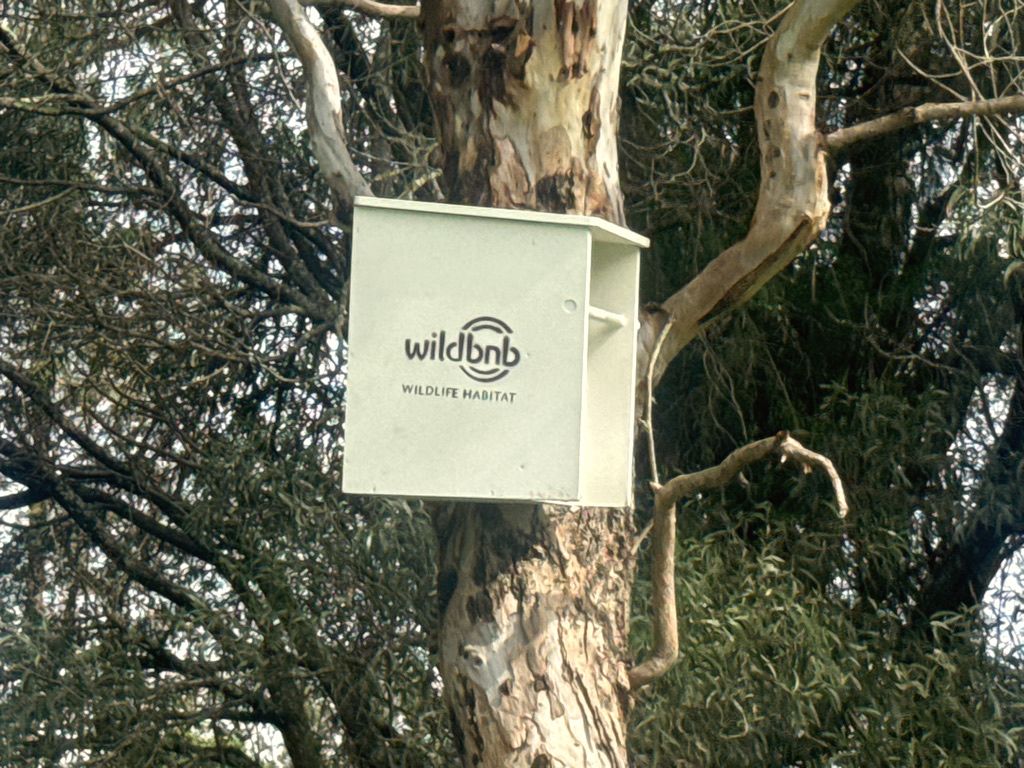
Wildbnb Wildlife Box™
Owl, parrot and glider designs. Stainless hinged lid for easy monitoring.
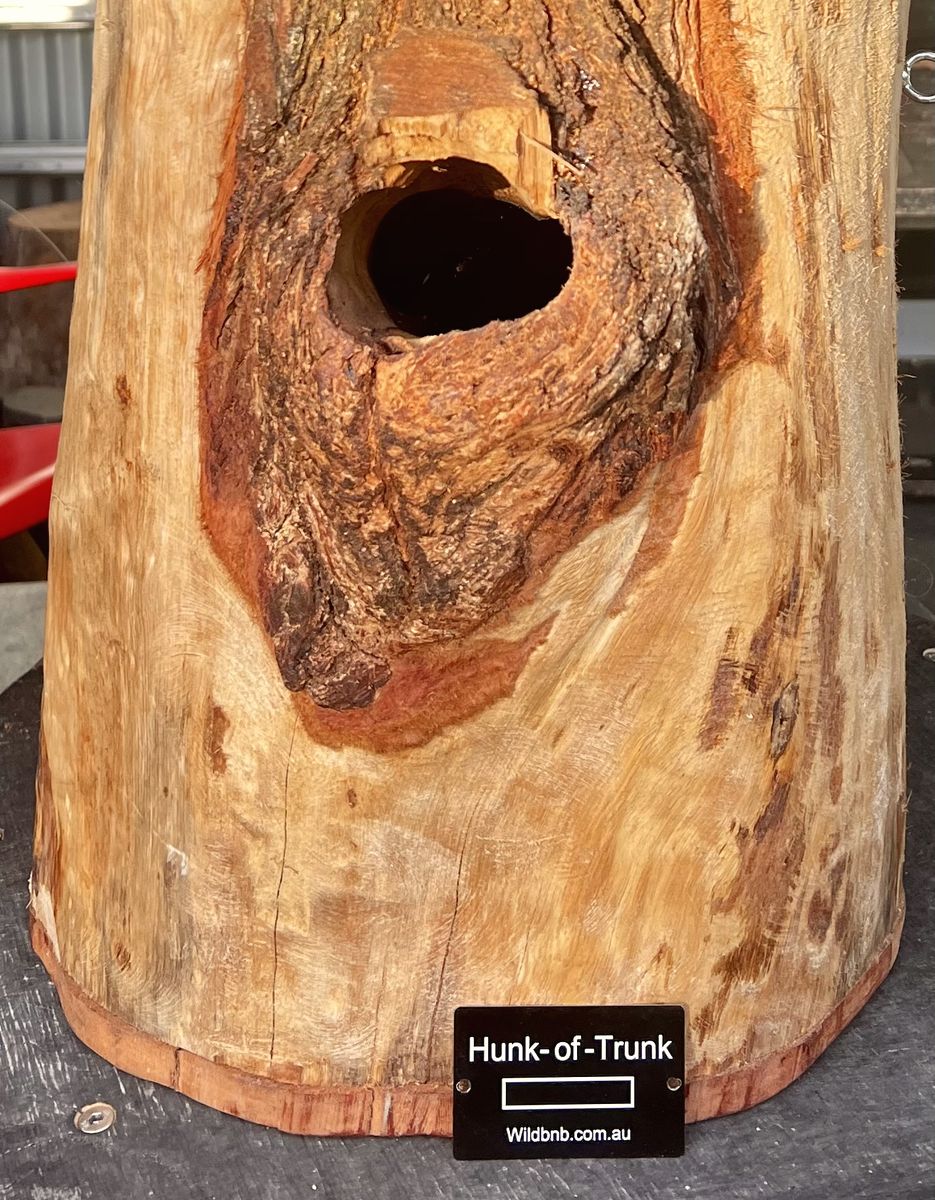
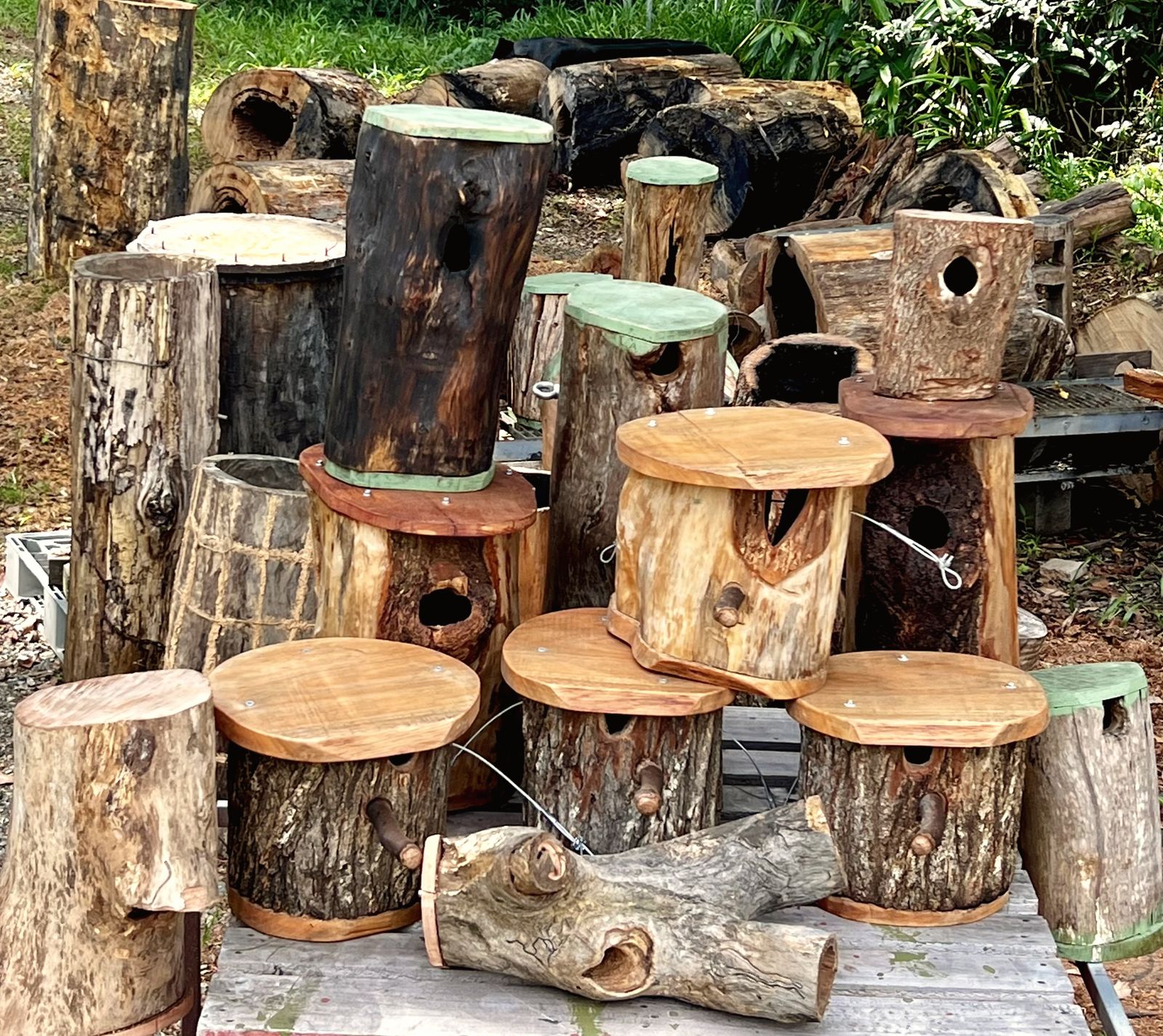
Hunk-of-Trunk™
Hand-carved from rescued tree trunks to replicate natural hollows, with a few improvements.
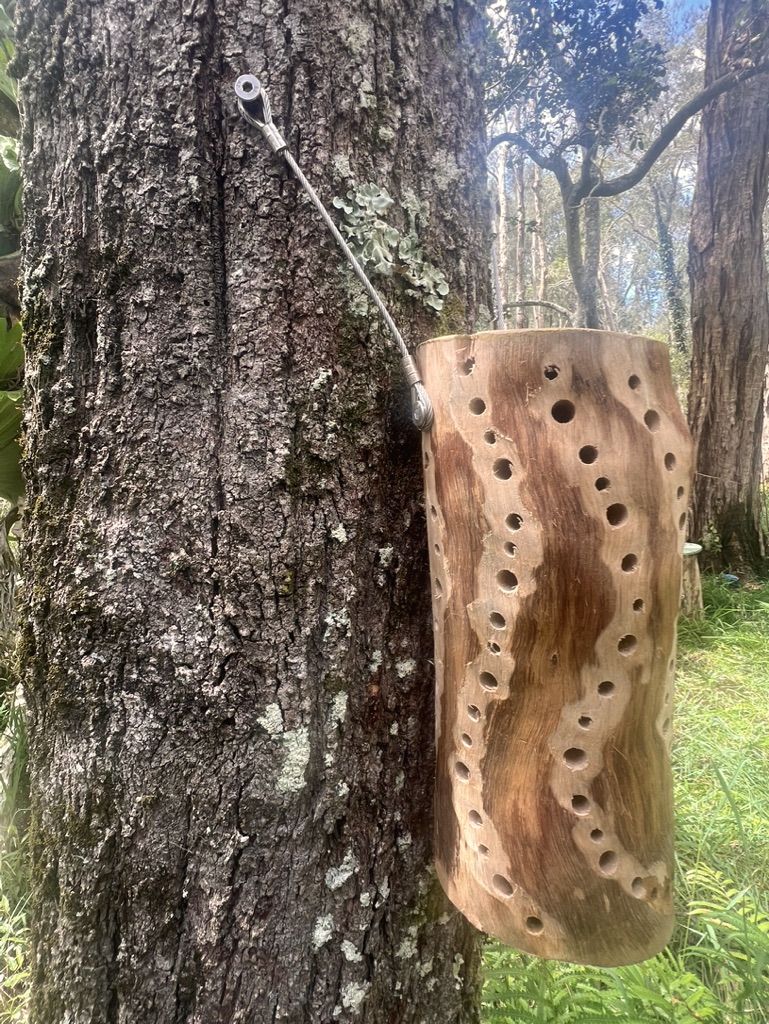
Hunk-of-Holes™
Drilled trunk sections that give solitary native bees and wasps a place to nest.
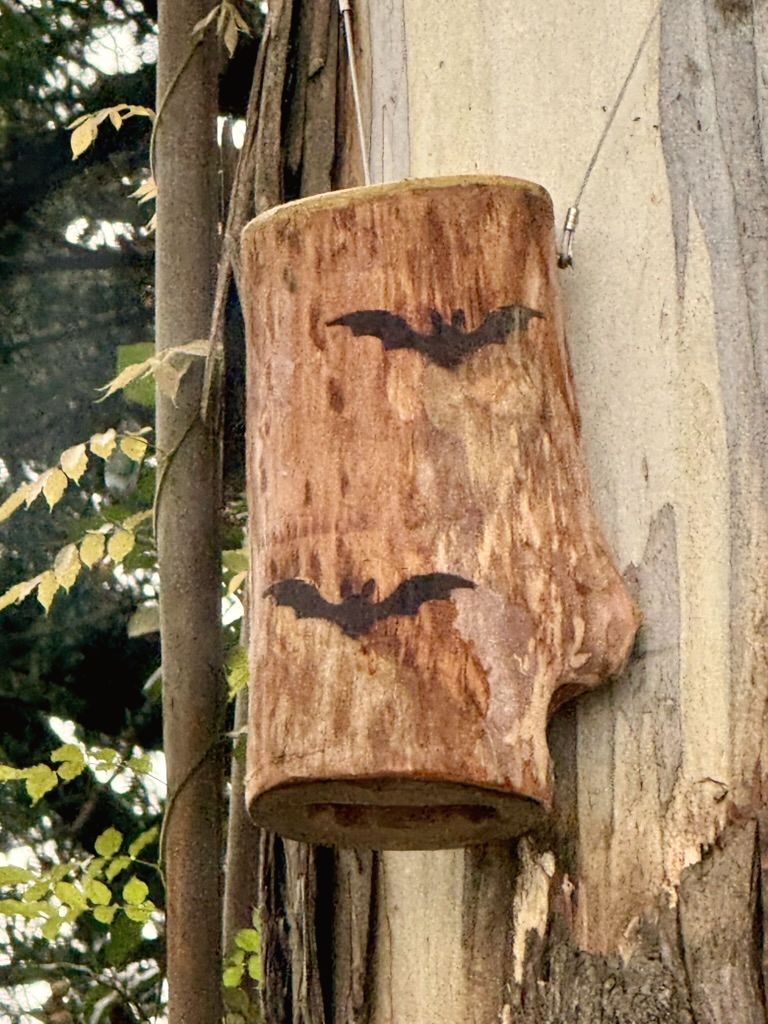
Microbat Roosts
Two designs, natural trunk and four-chamber, for insect-eating microbats.
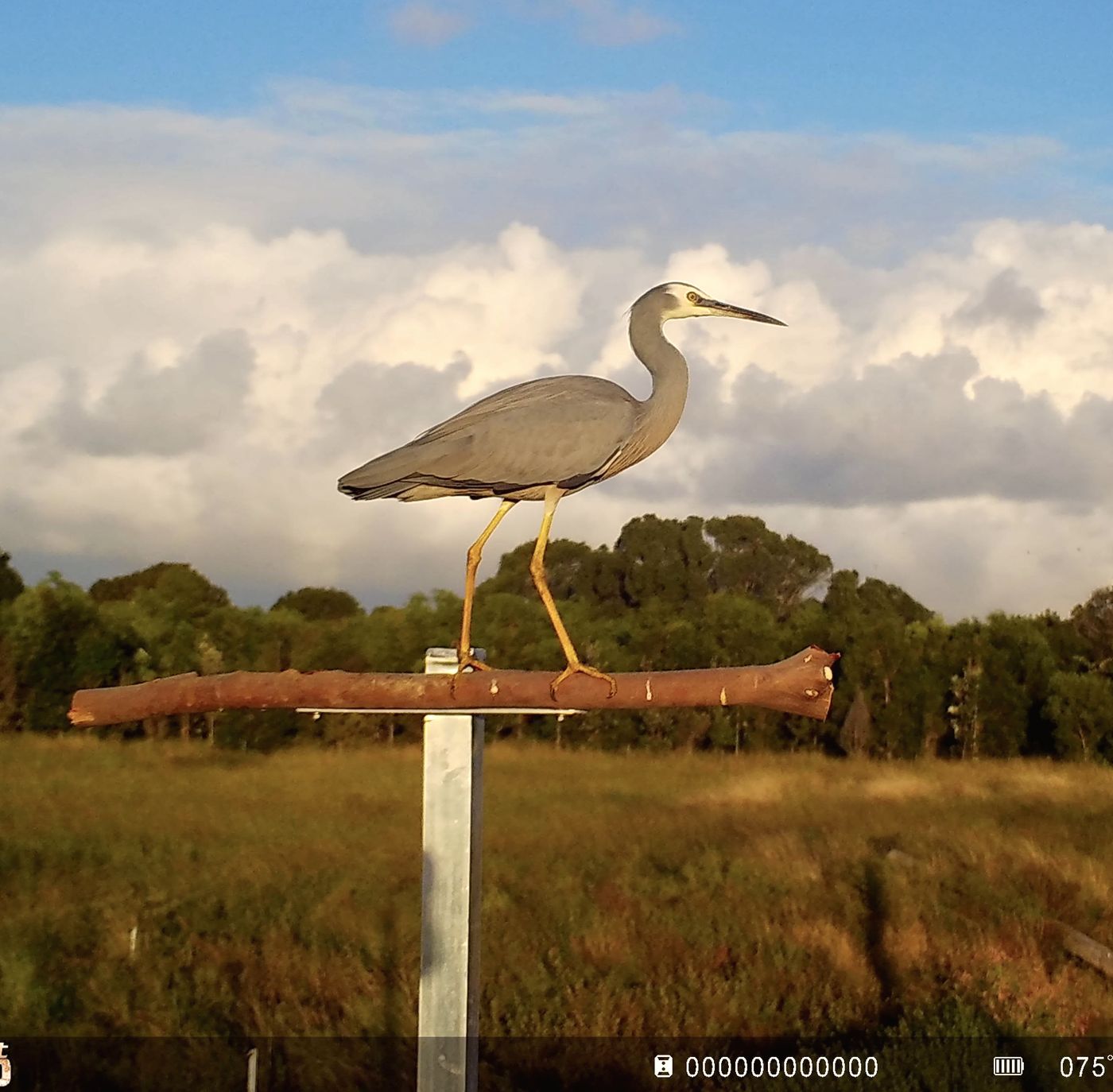
Hunting Roost™
A perch for owls and raptors over open ground, often fitted with a camera.
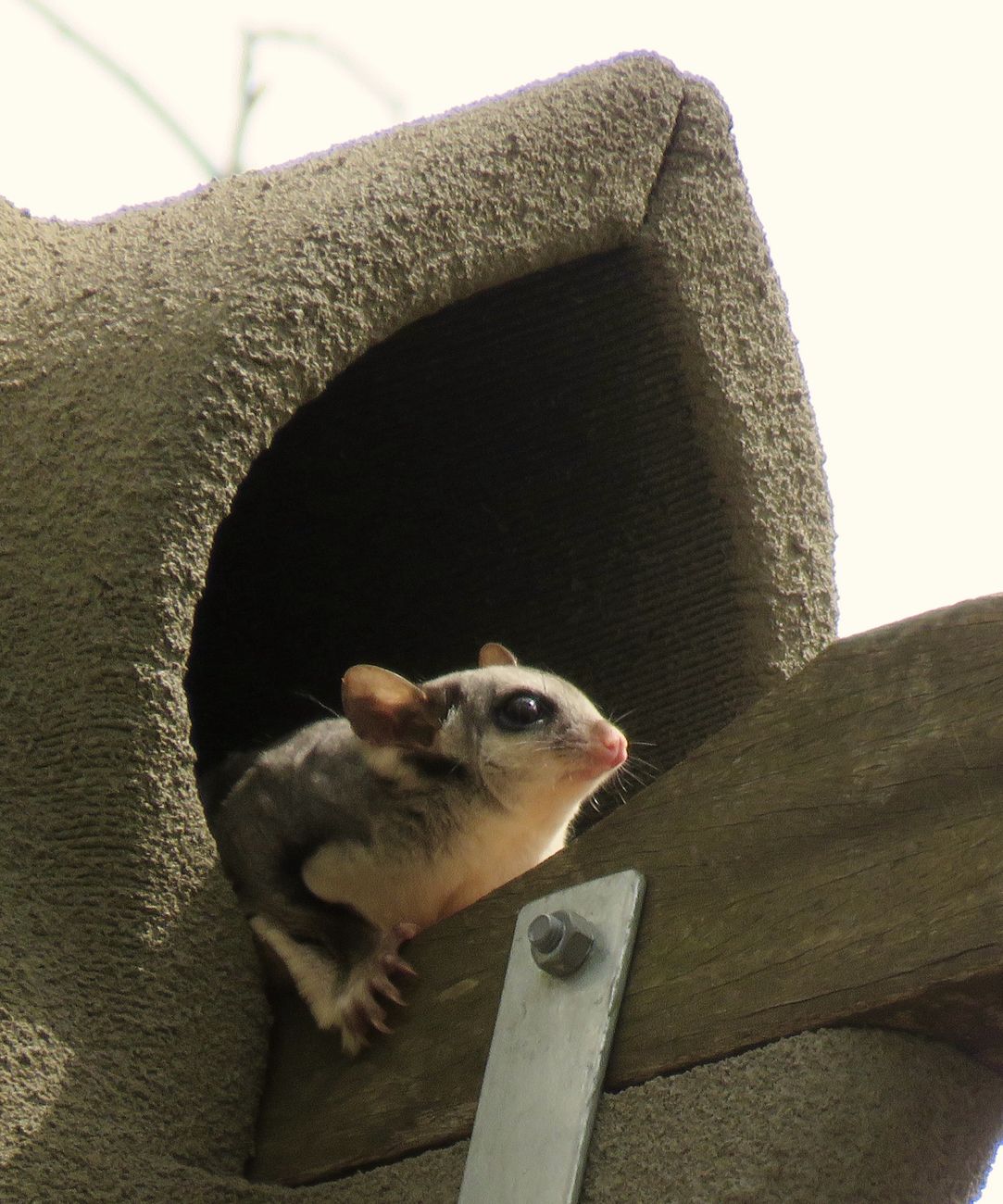
PodHollow™
3D-printed from recycled waste. Currently in research trials.
Custom hollows
Built for a specific species or site, like a deep Glossy Black-Cockatoo hollow.
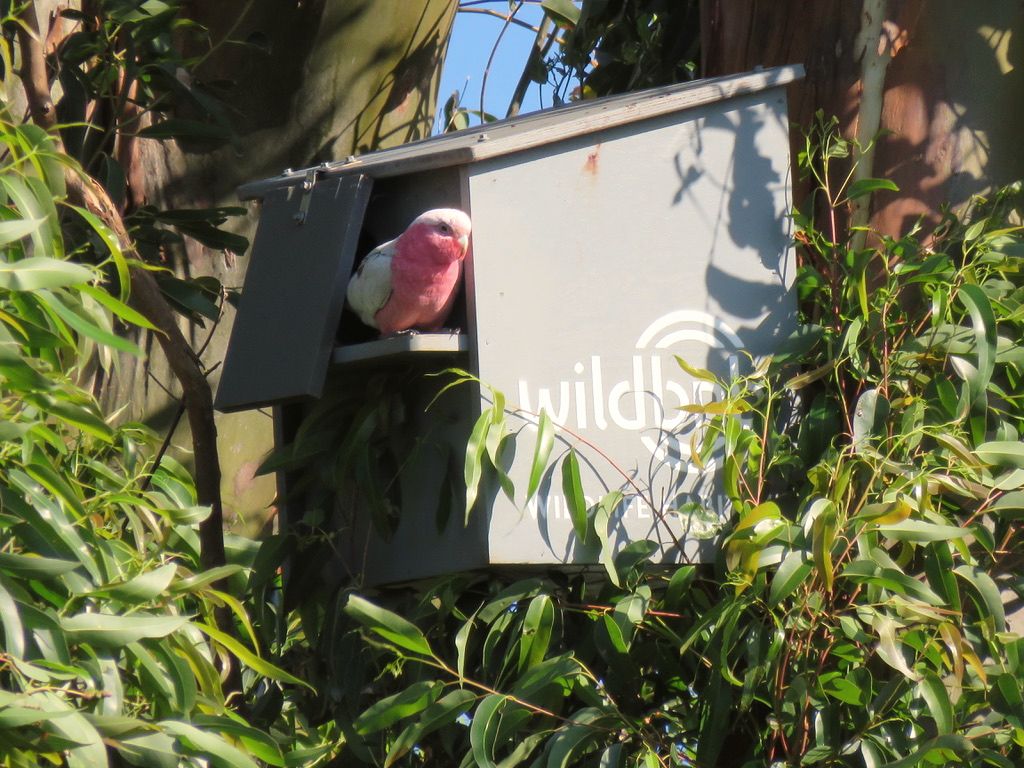
Parrot Box
For rosellas, lorikeets, galahs and Owlet Nightjars.
Rope access, not ladders alone
Our climbers reach the heights owls and gliders need.
Services
More than boxes.
- Big Tree & Hollow Audits. Our climbers document the natural hollows already on your land, so new habitat fills the real gaps.
- Trunk rescue. When trees must be removed, we find and save hollow trunks and turn them into Hunk-of-Trunk™ hollows.
- Hollow augmentation (HollowHog™). We carve new hollows into standing trees, speeding up a 100-year process.
- Fauna surveys. 4G wildlife cameras, bioacoustic recorders, thermal drones and nocturnal surveys.
- Monitoring & reporting. Pole-camera inspections up to 18 m and a written report with photos after every round.
Threatened species
Projects for animals running out of time.
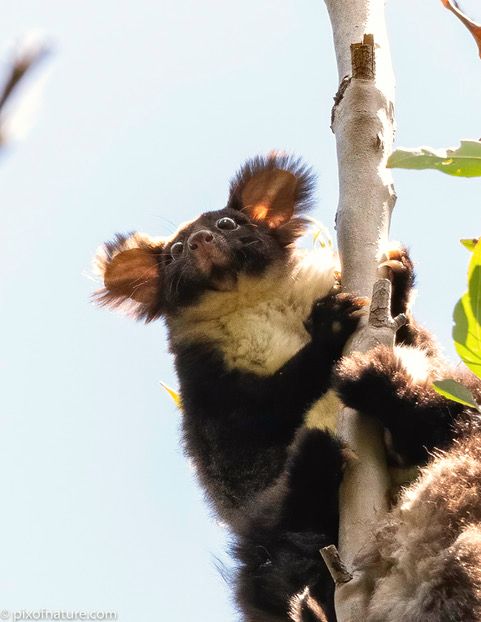
Saving the Acrobats
Greater and Yellow-bellied Gliders. In 2022 our team found a Greater Glider and her joey near Byron Bay, the first local record in about 20 years.
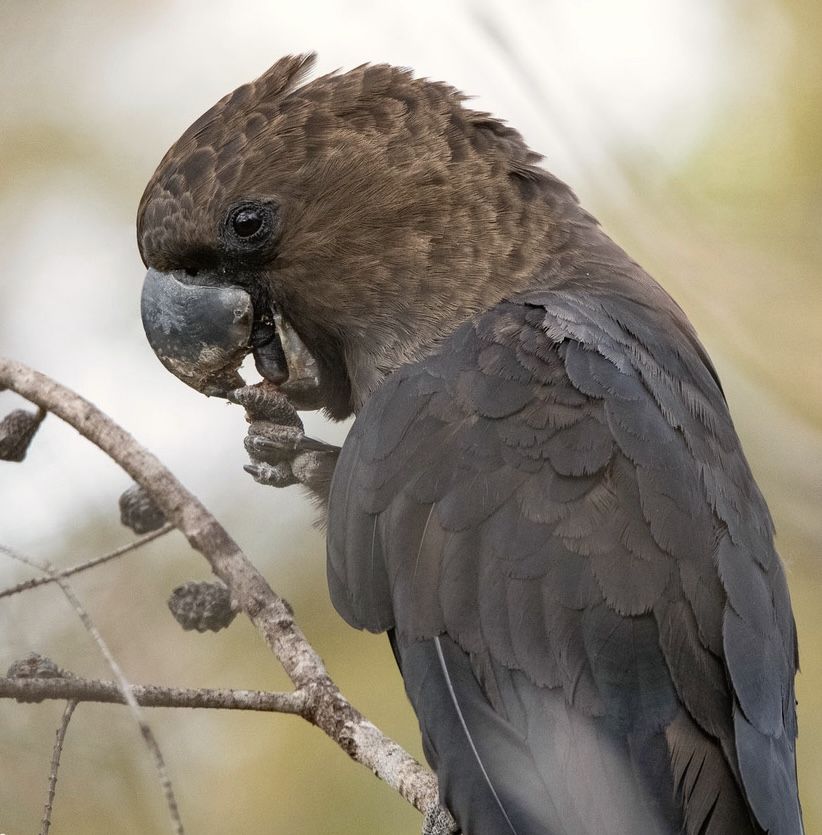
Glossies Northern Rivers
Mapping She-oak feed trees, nests and flocks of the Vulnerable Glossy Black-Cockatoo, and building deep hollows they can breed in.
Join the Glossy Squad ↗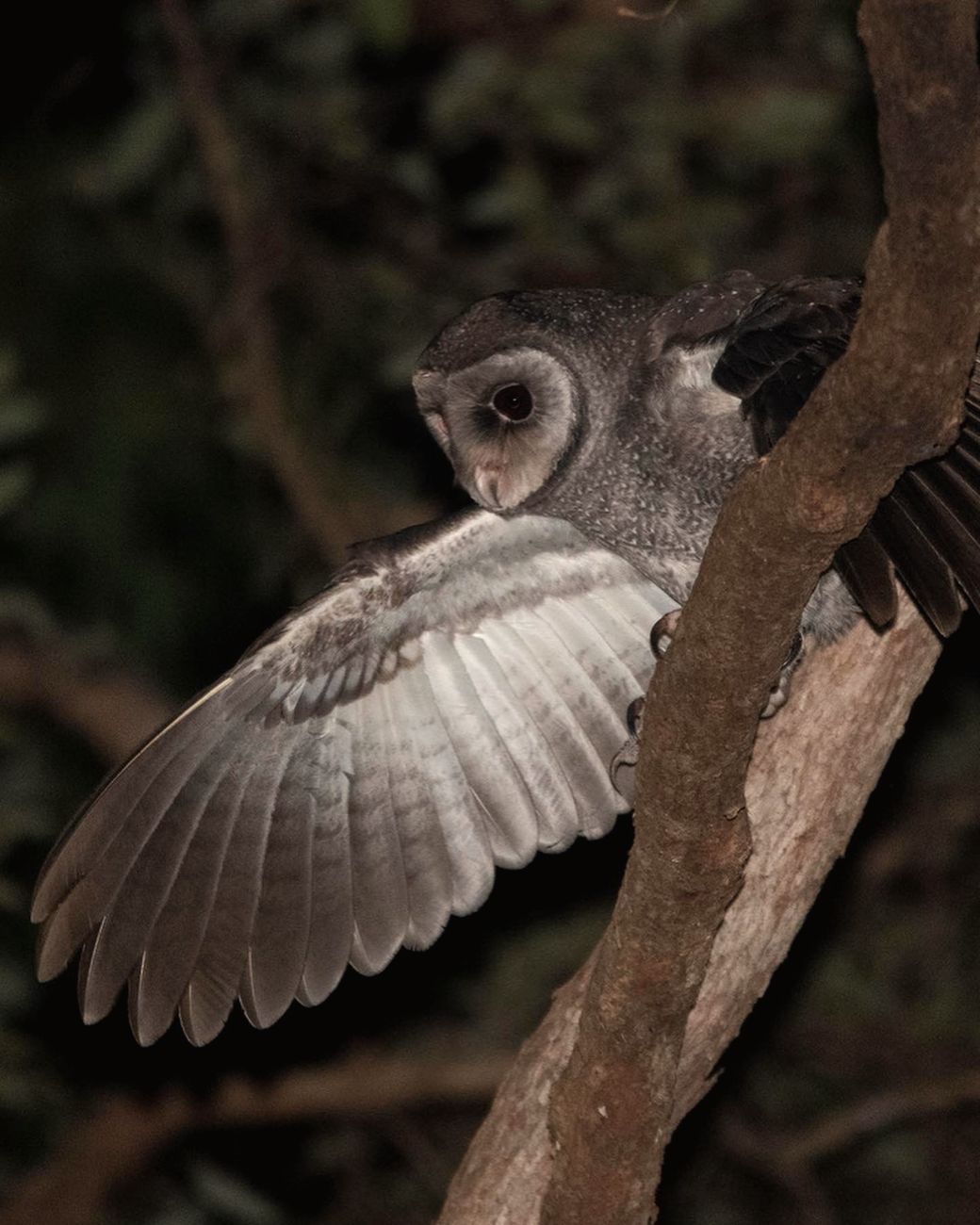
Large Forest Owls
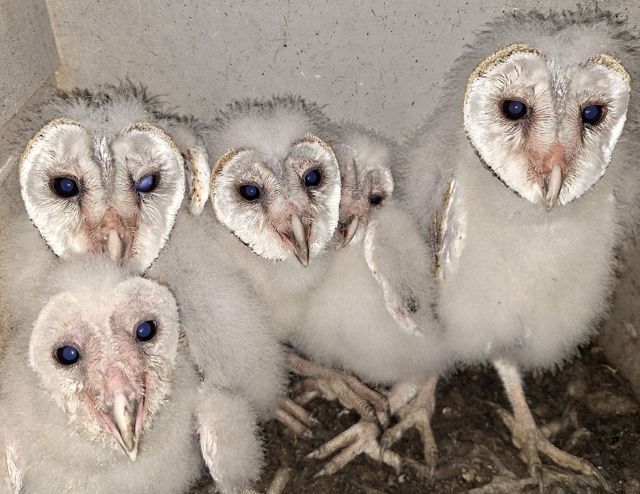
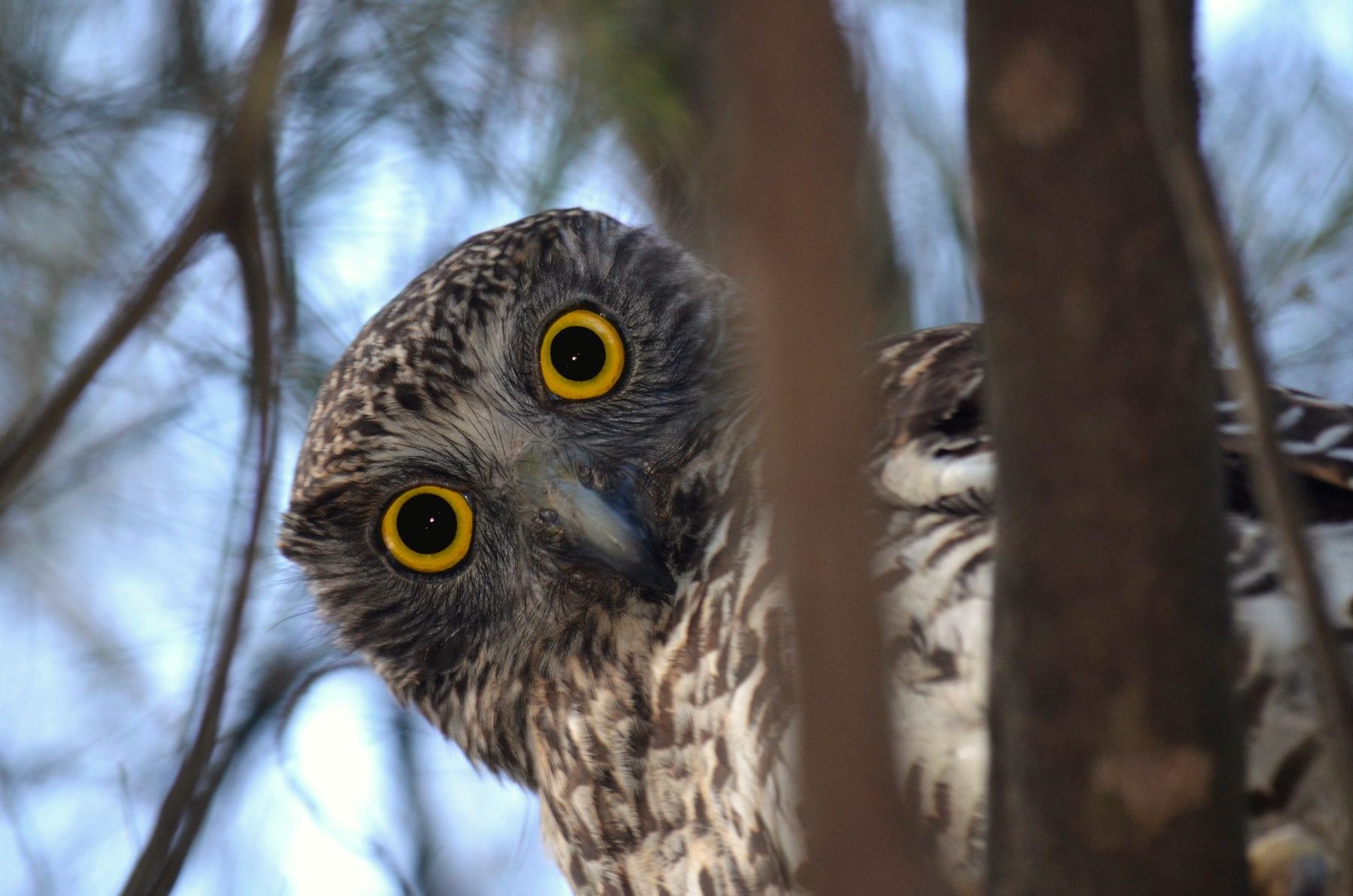
Powerful, Sooty and Masked Owls, tracked with AudioMoth recorders and machine learning across the Byron Shire.
How we work
From your “yes” to the first report.
Confirm & schedule
We confirm the scope, book a date and agree access, gates, livestock and hazards.
Prepare the habitat
Boxes are labelled with site codes. Custom Hunk-of-Trunk™ hollows take 3 to 4 weeks.
Choose the trees
On the day we pick the best tree, height and aspect for each hollow.
Install with care
Ladder or rope access, with 316 stainless hook-and-eye fixings that protect the tree.
Record every hollow
Each hollow is GPS-located, photographed and logged in our wildlife database.
Walk-through
We show you every site, then send an installation summary with a map.
Monitor & report
Pole-camera checks for activity and breeding, with a photo report each round.
Maintain & adapt
Repairs, repositioning or removing feral honeybees, recommended and quoted separately.
Let’s find the right habitat for your land.
Small property? Start with a package. Bigger plans? We’ll come and walk the site with you.