Backyard Starter
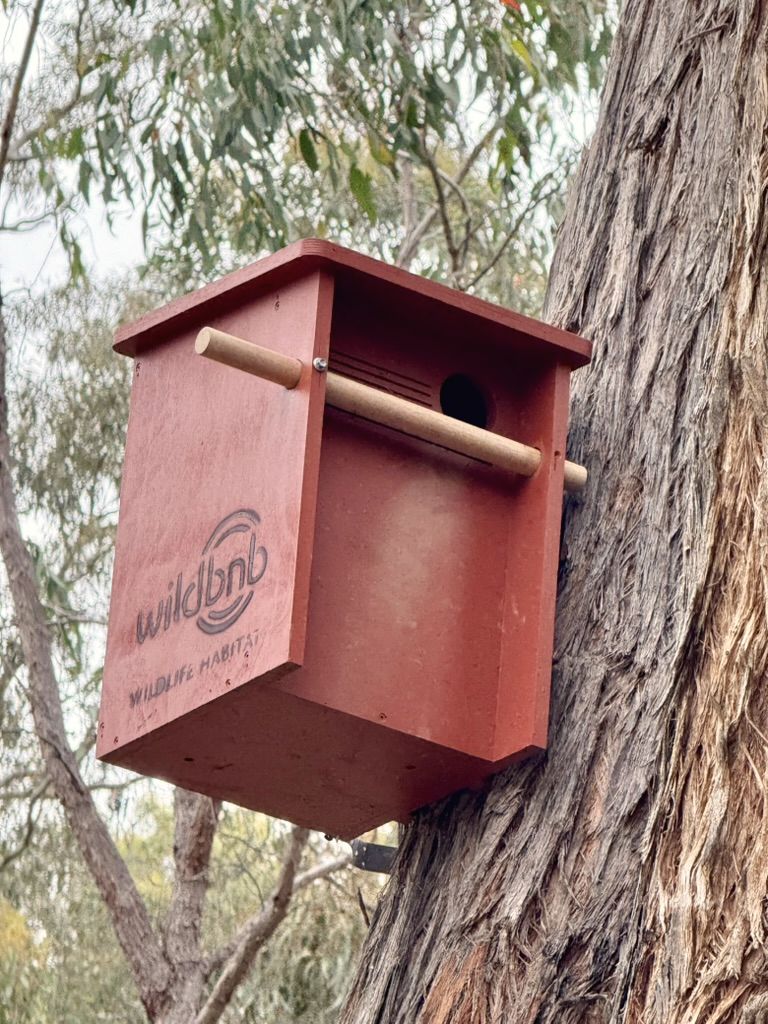
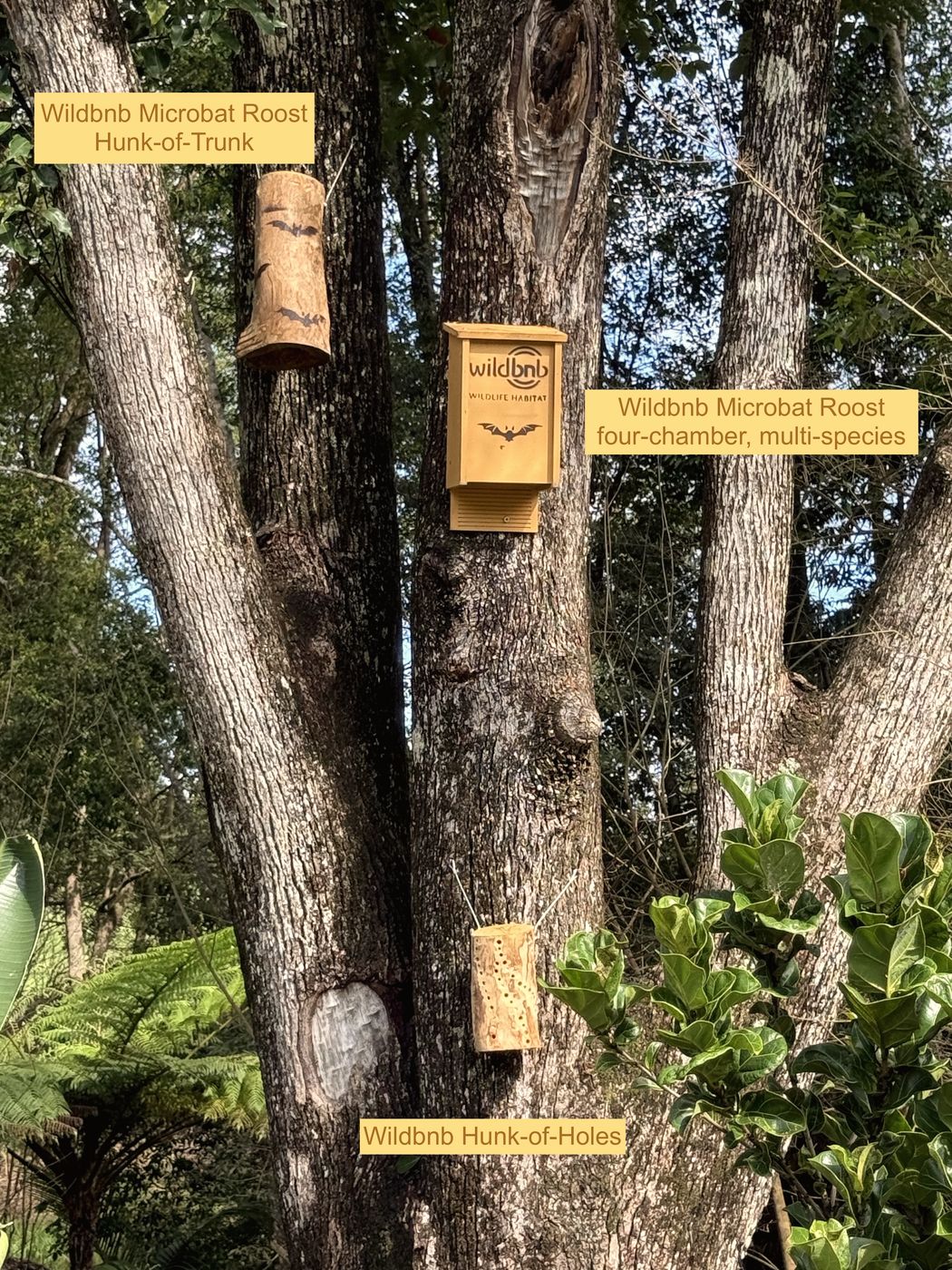
- 2 nest boxes chosen for your site
- Site check on installation day
- Half-day installation and travel
Wildlife habitat · Bundjalung Country, NSW
Wildbnb designs, installs and monitors homes for Australia’s hollow-dependent wildlife. From one nest box in a backyard to habitat across a whole landscape.
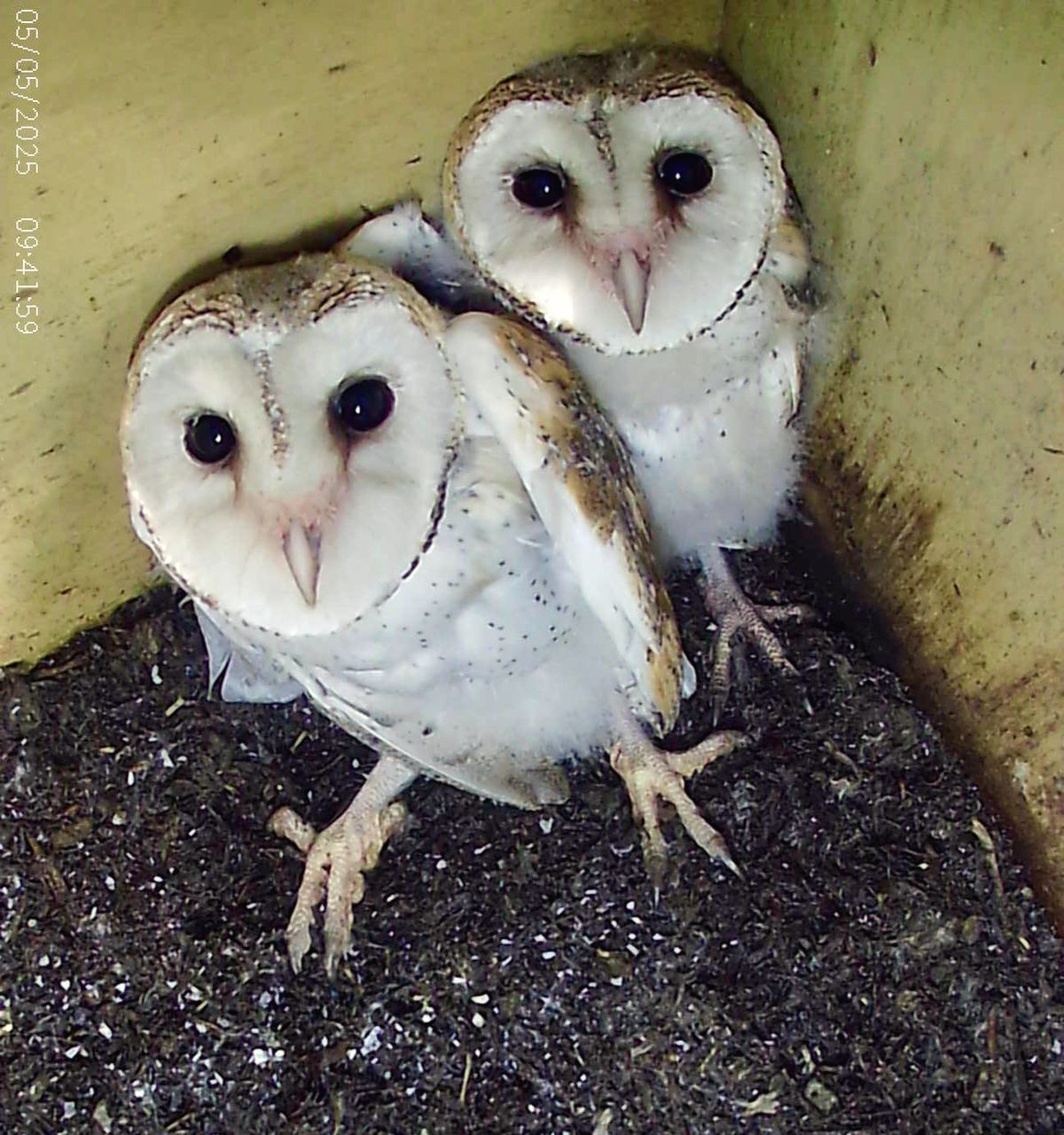
Watch: Journey of the Barn OwlsBanyula farm, Clunes · 2 min


Start here
Three ways we work
Core service
Habitat for every scale of land, from one backyard nest box to landscape-scale restoration.
Farms & orchards
Native predators and pollinators doing real work on your property, with fewer chemicals.
Ranger partnerships
Traditional knowledge and science together, with our long-term partners at Minyumai IPA.
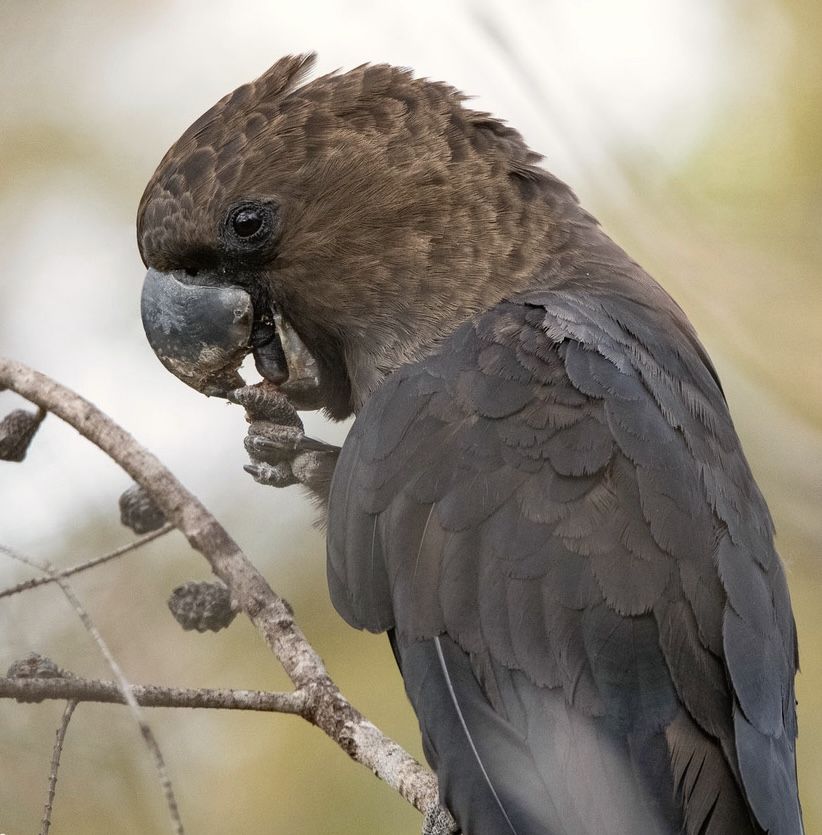
hollow-dependent species in Australia, from gliders and owls to parrots and bats
for a tree to start forming hollows. Big ones take 200 to 250 years.
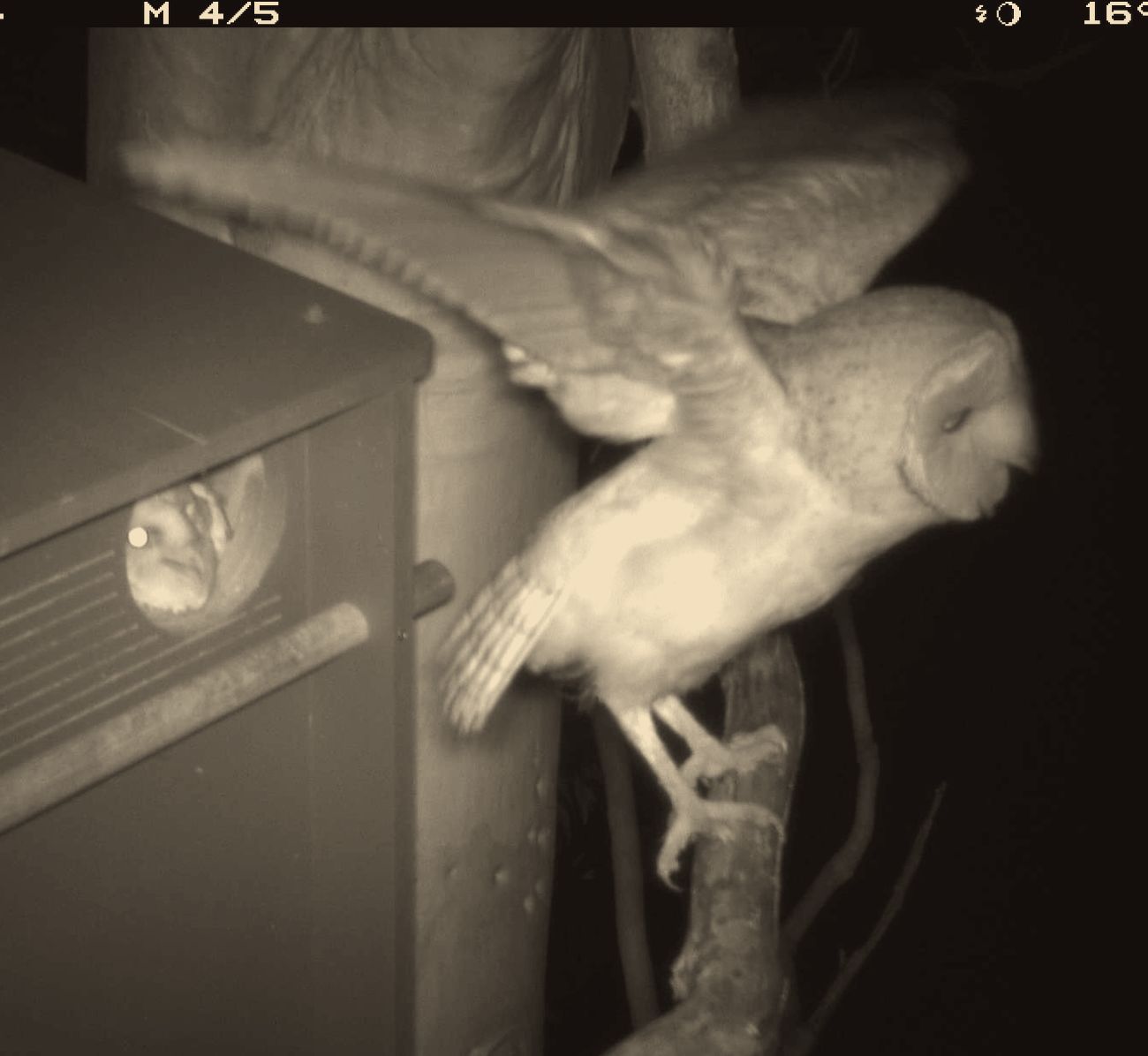
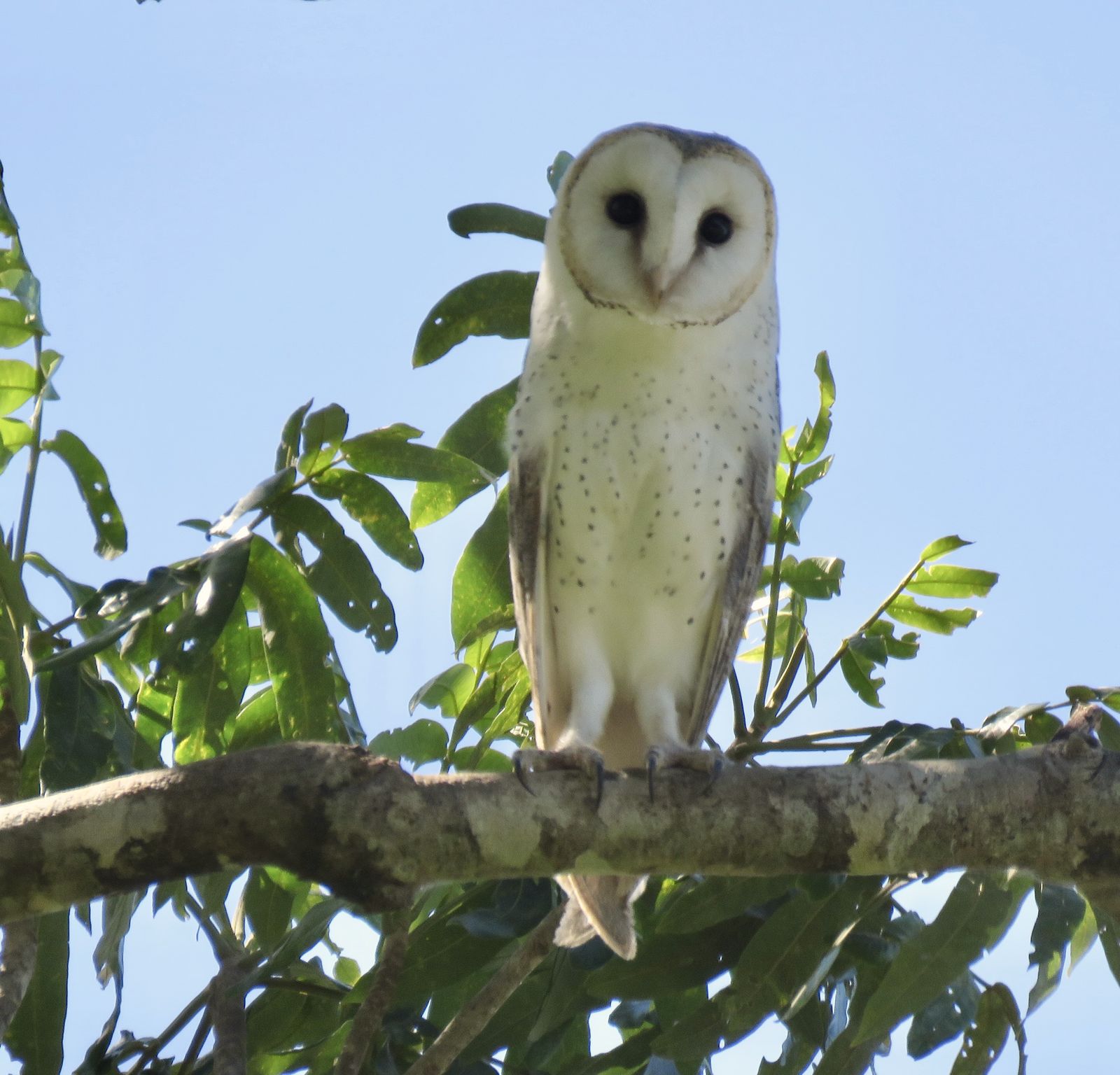
of our 2025 Owls-eat-Rats sites now have Eastern Barn Owls visiting
of nest boxes occupied at Minyumai IPA in 2023, after fire burnt over 90% of the land
nest boxes built and installed for bushfire recovery with WWF-Australia and Saving our Species
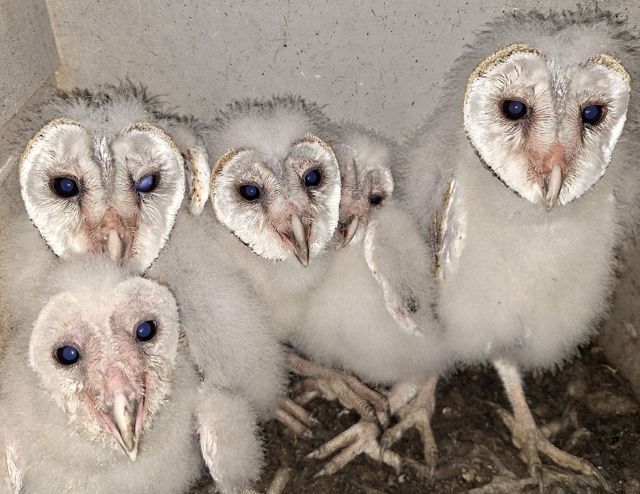
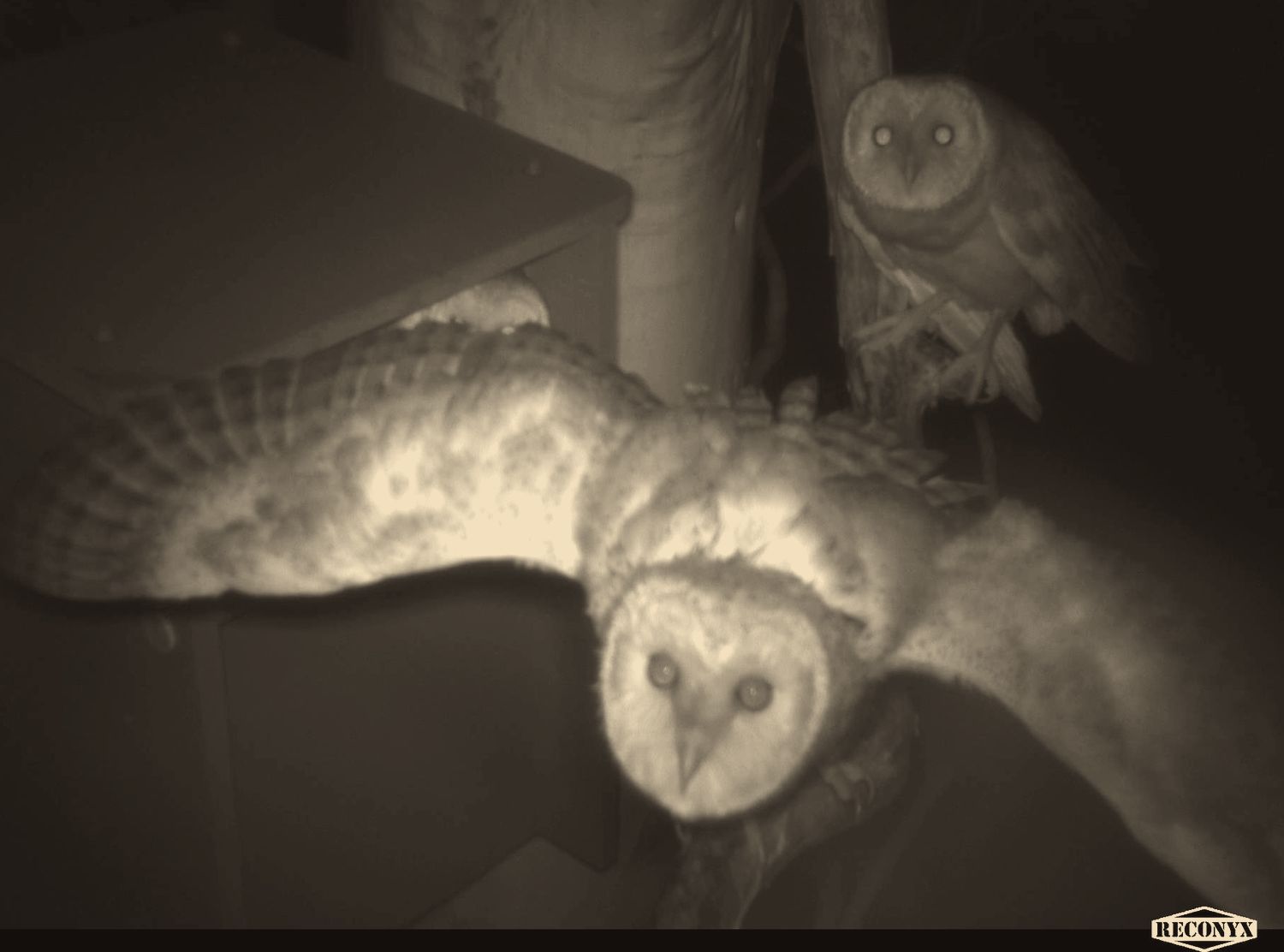
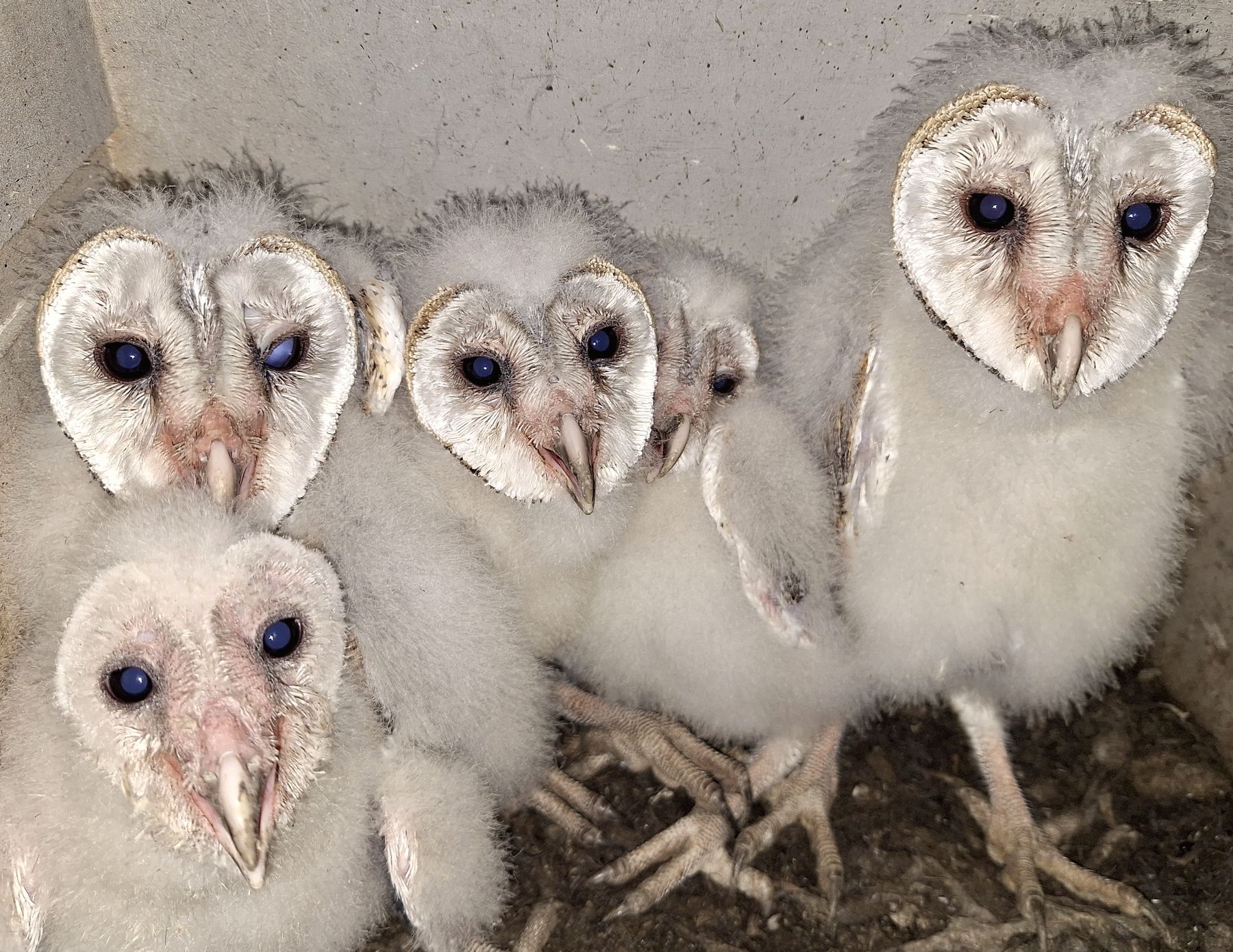
breeding pairs of barn owls at Banyula in 2026, with more than 30 eggs
From the field
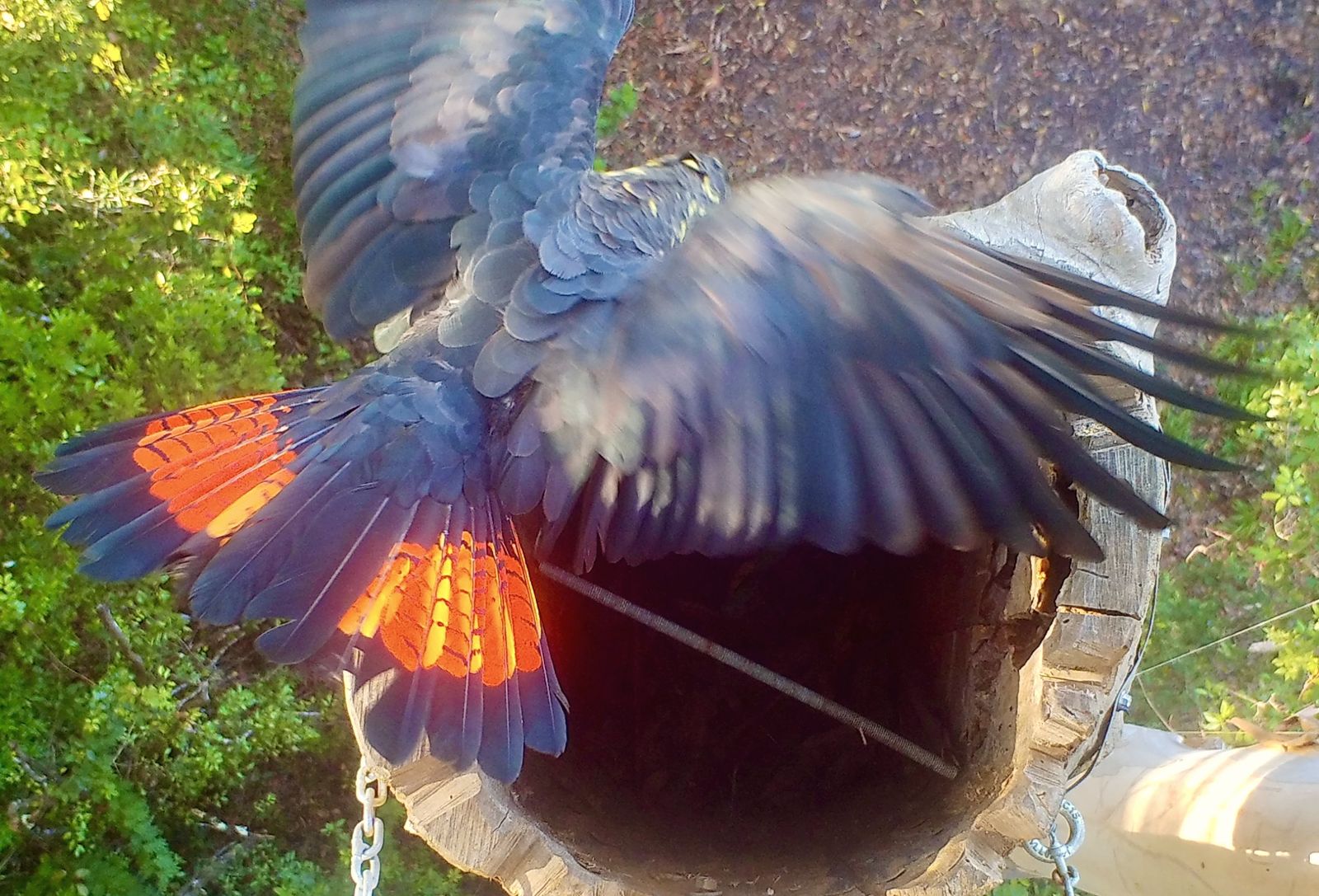
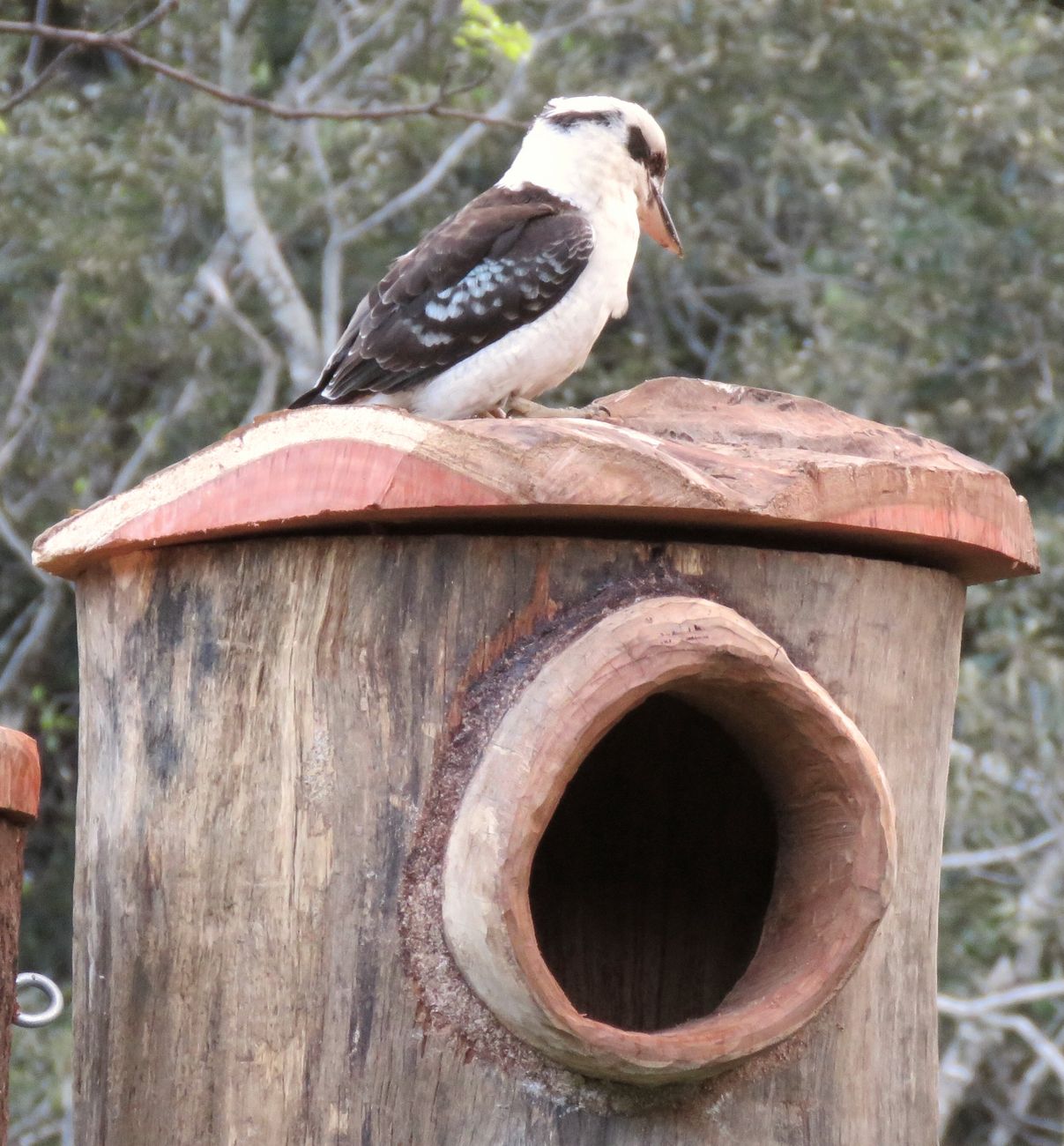
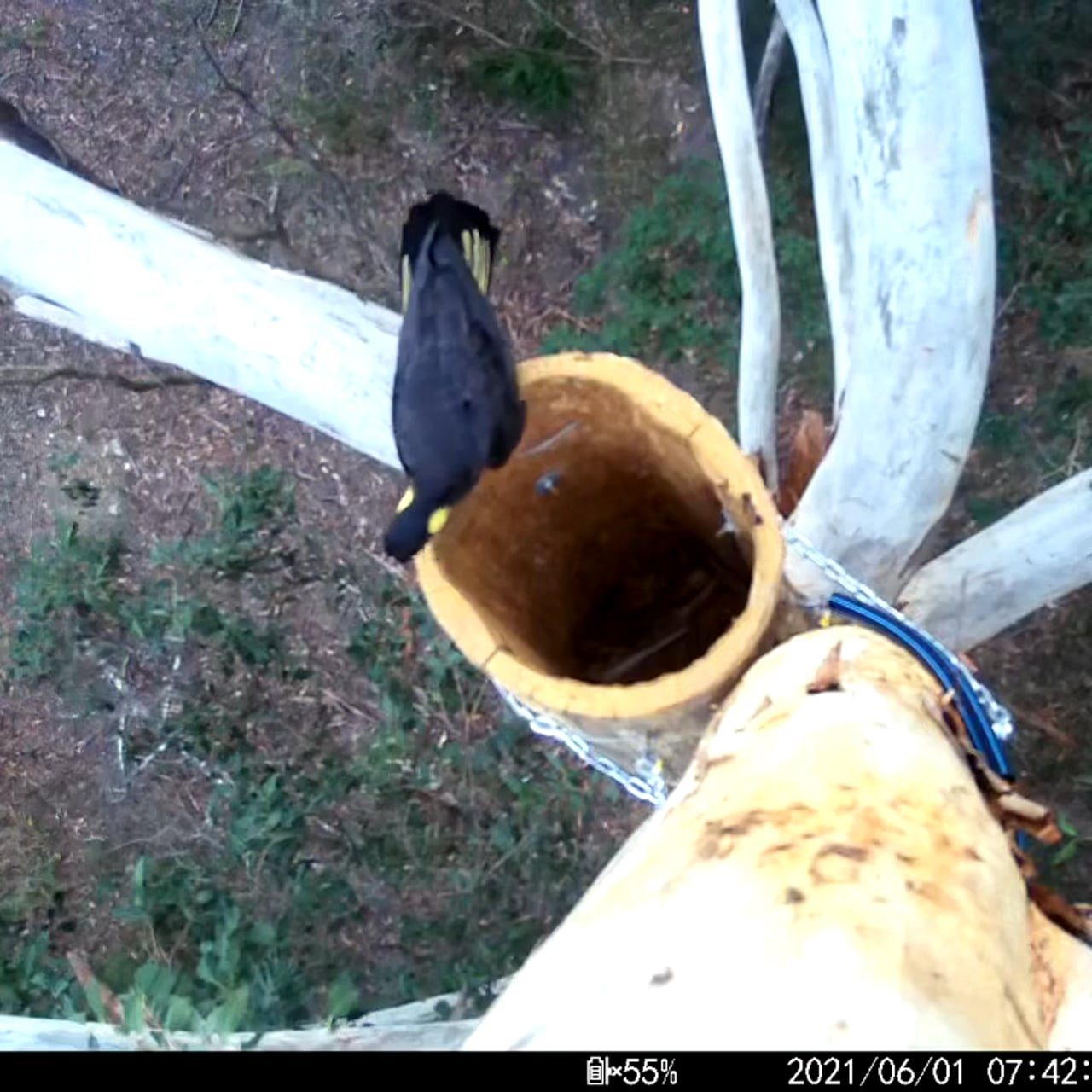
Real footage from our team this spring. Every project follows the same path, from the climb to the first resident.
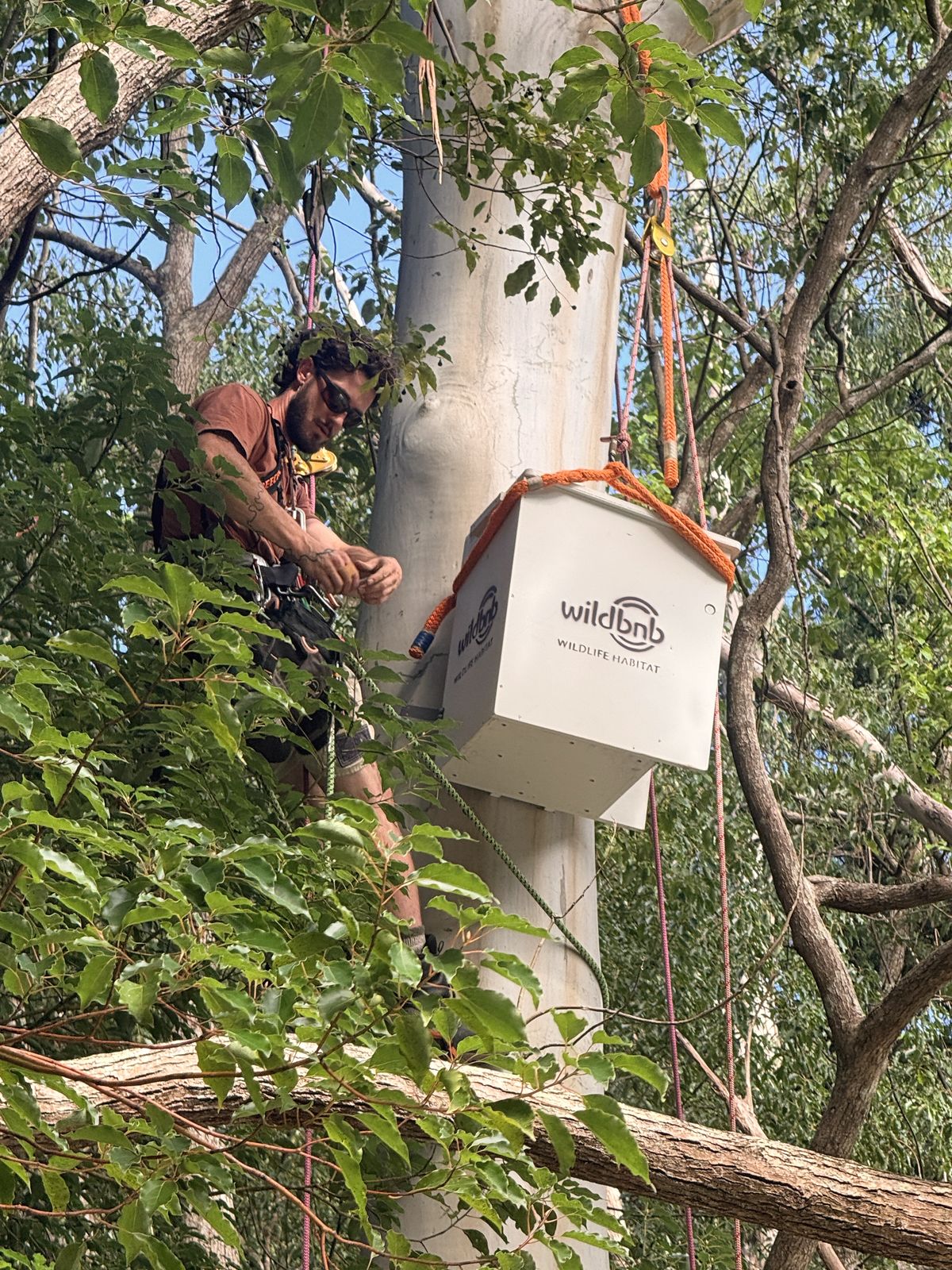
Qualified climbers place each hollow at the right height and aspect, with fixings that protect the tree.
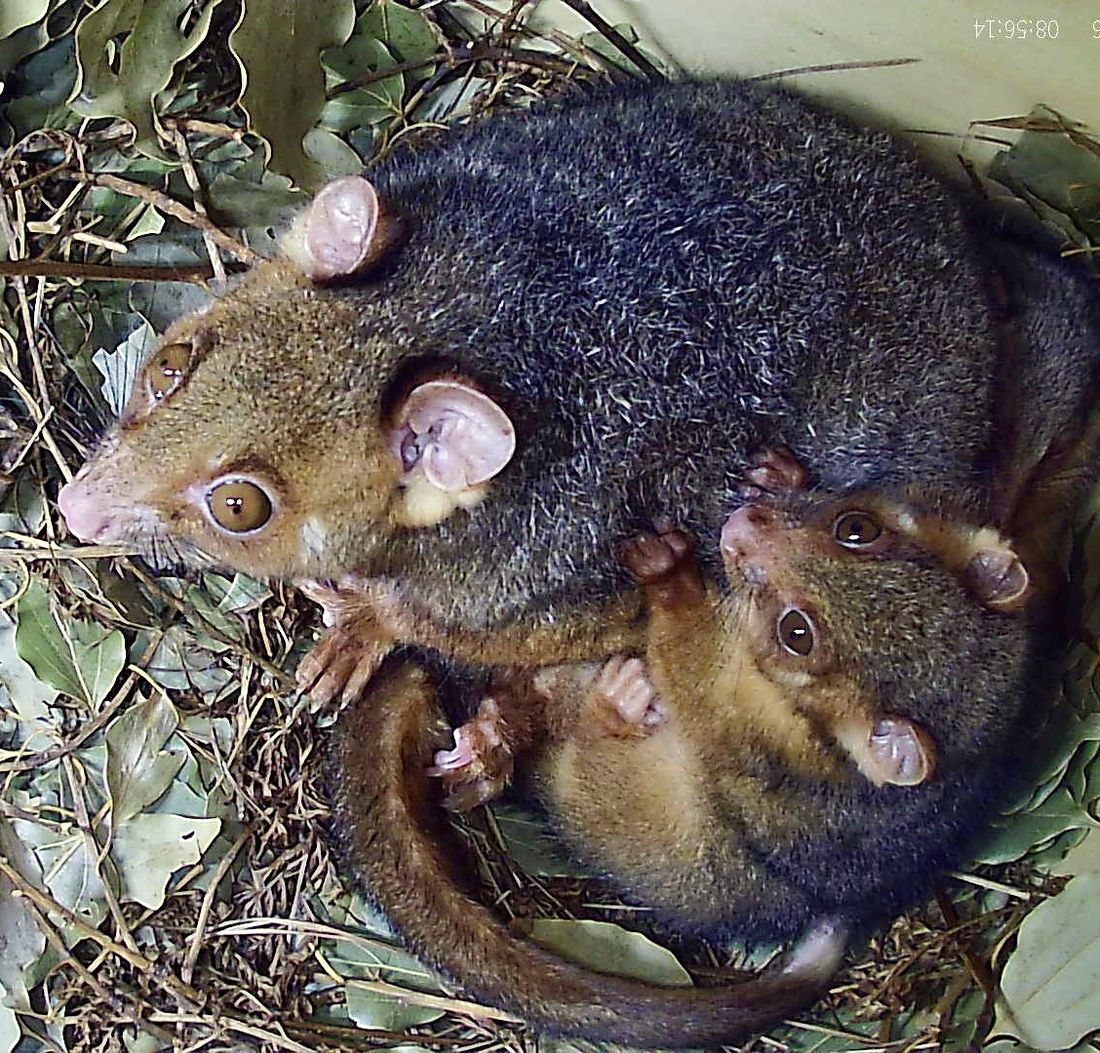
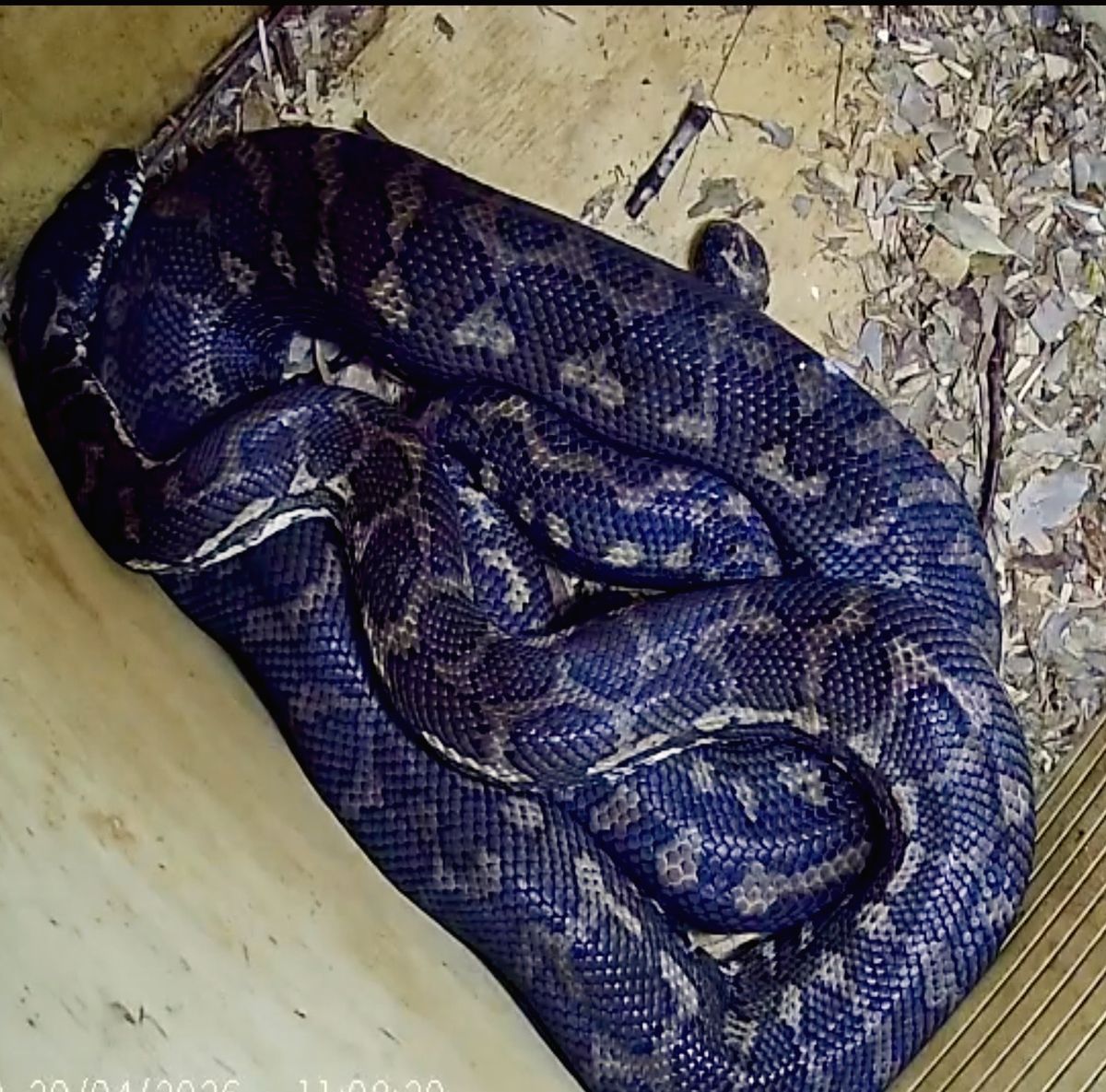
We check inside each box and send you a photo report after every round.
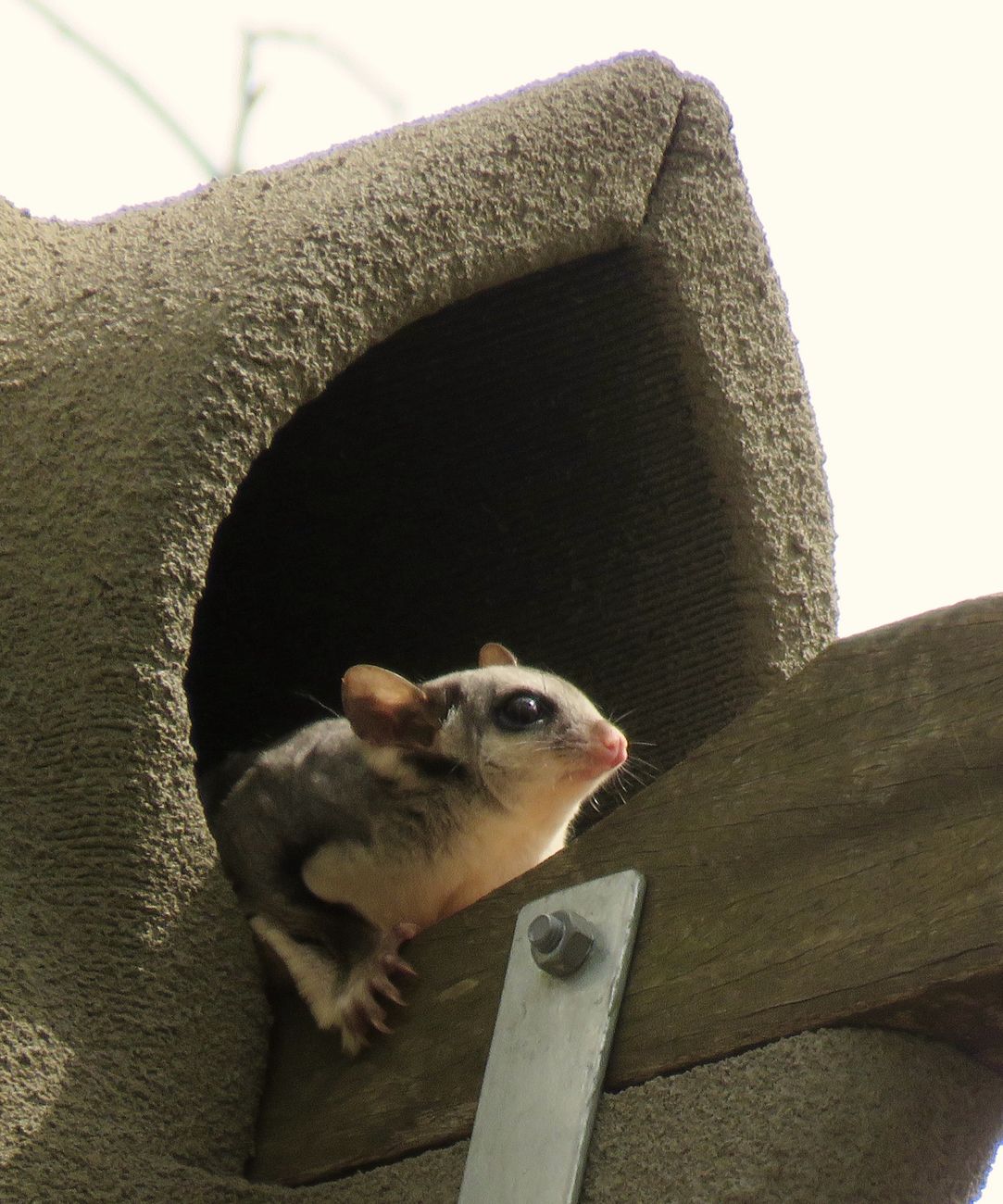
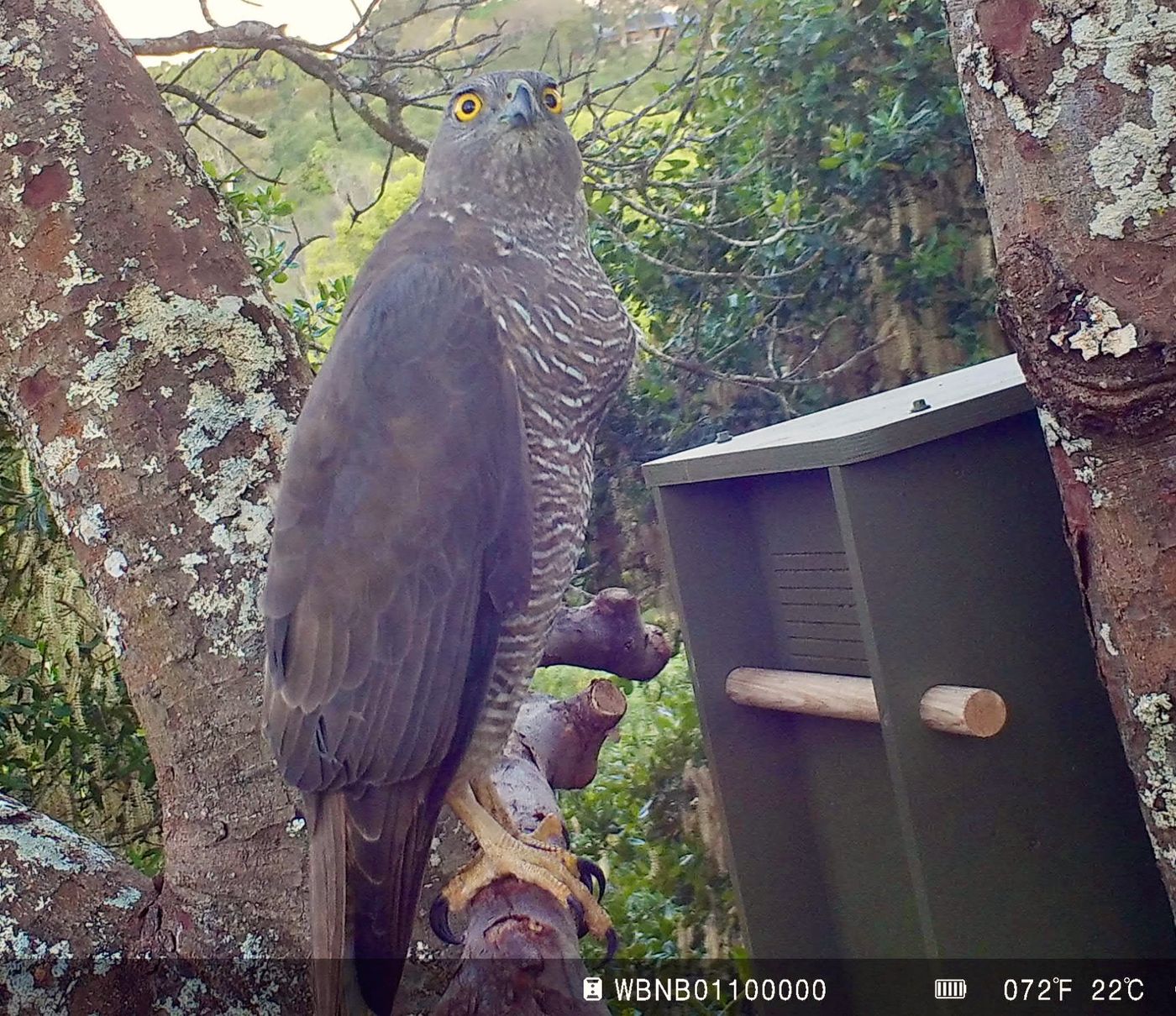
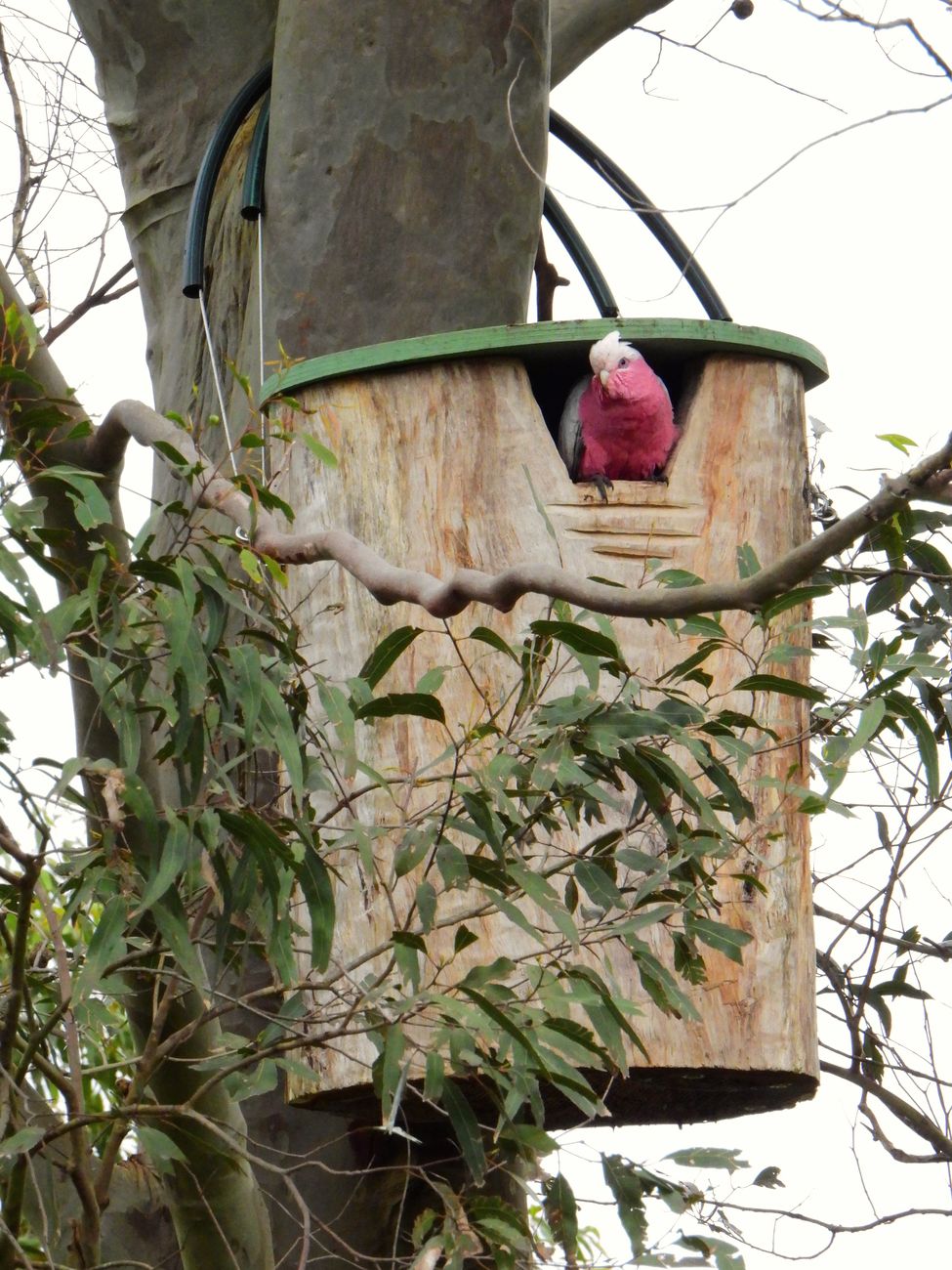
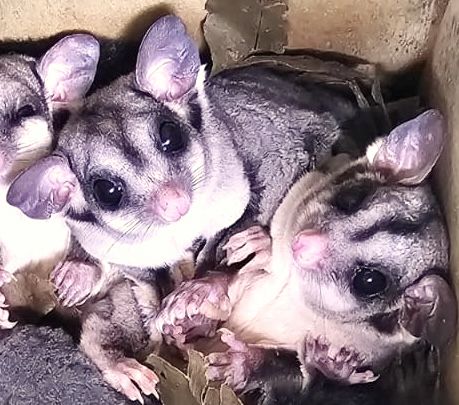
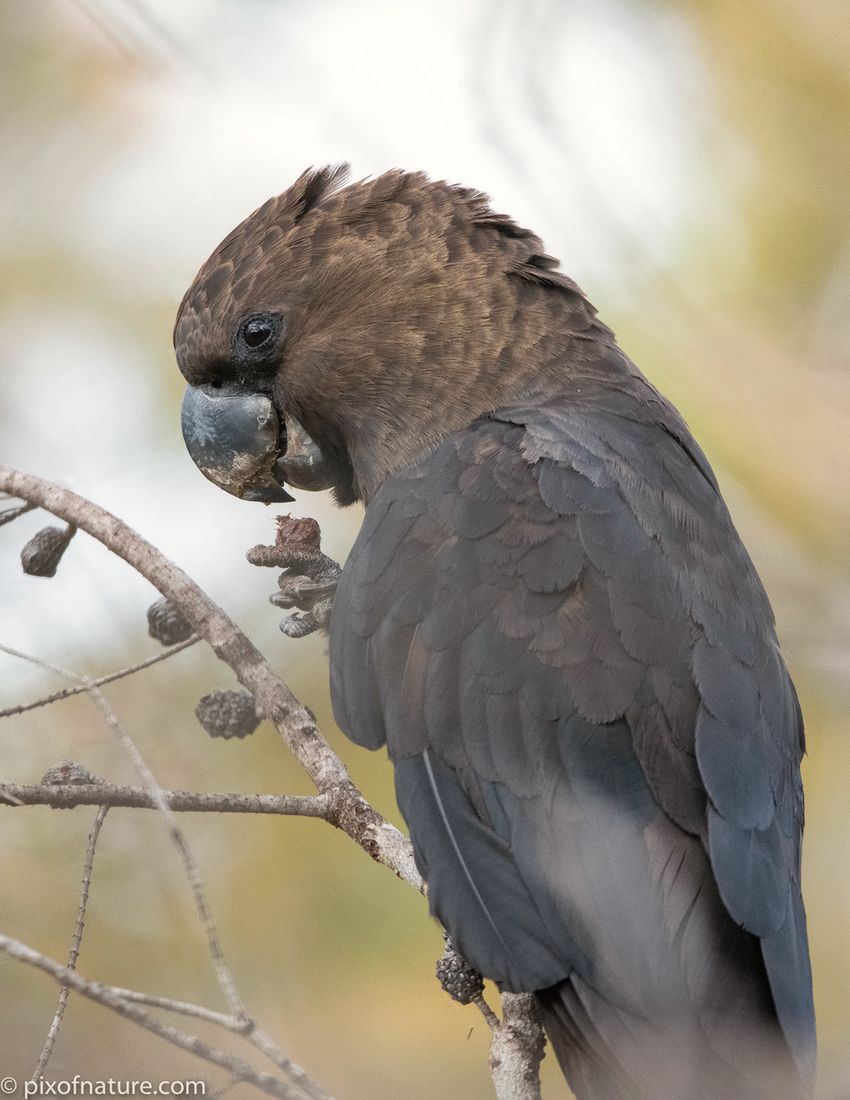
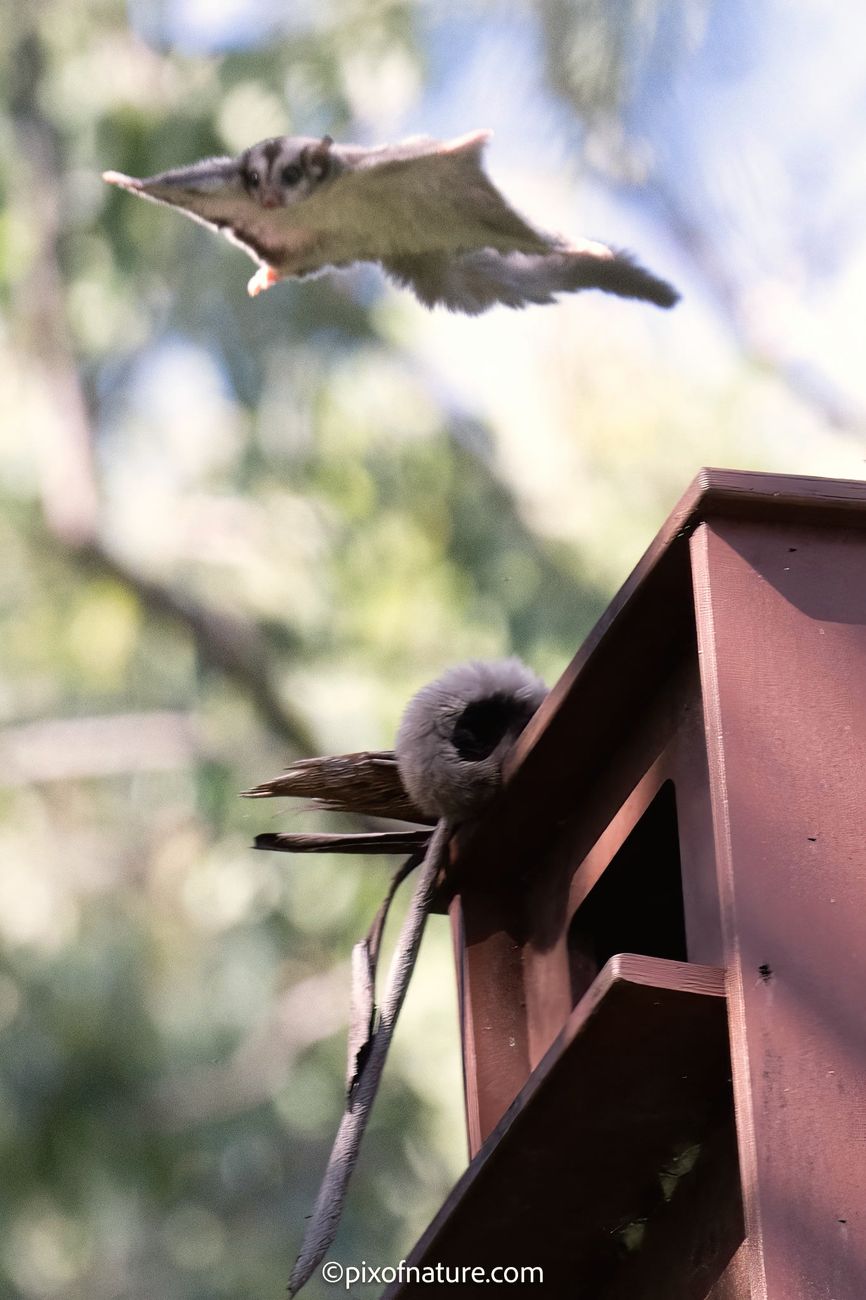
Gliders, owls, parrots and bats. Sometimes within a week of installation.
The night shift
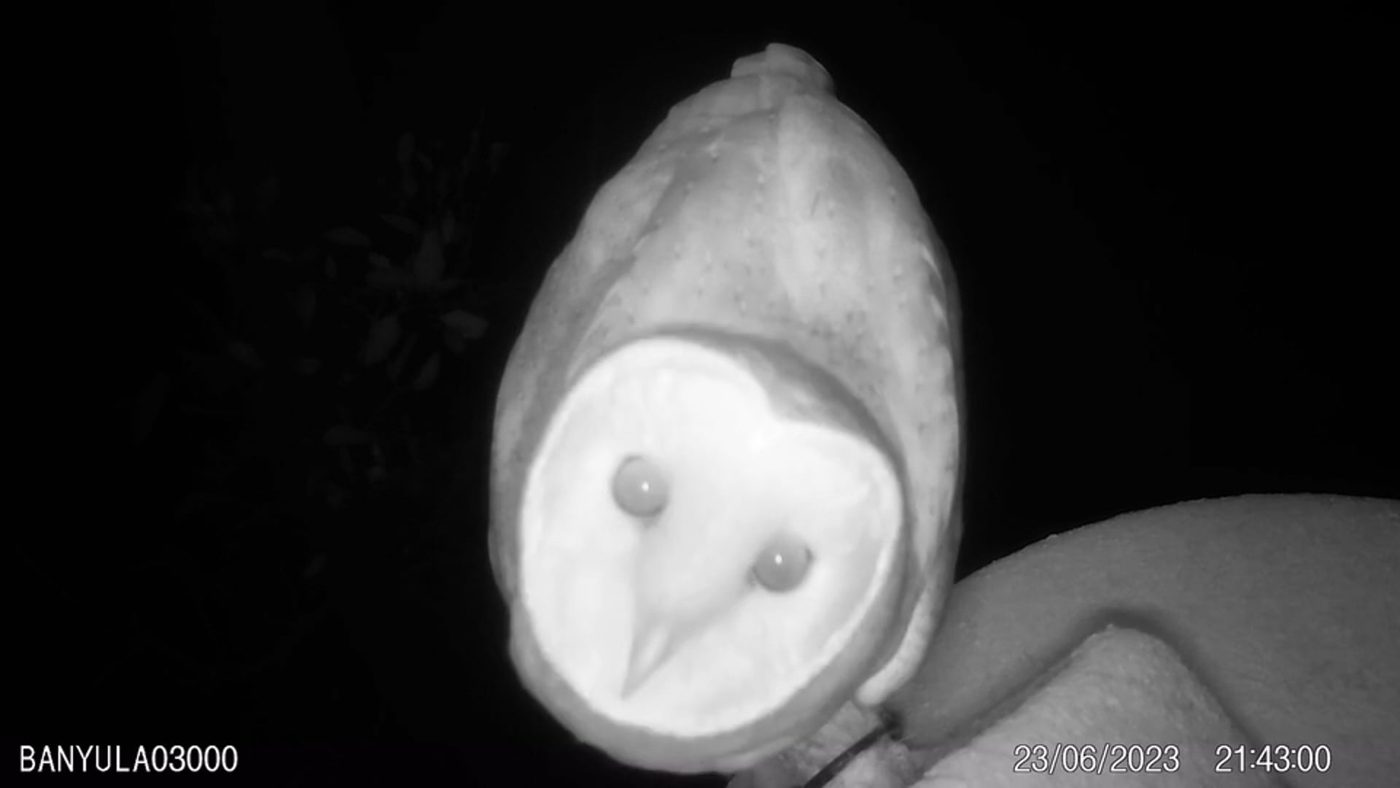
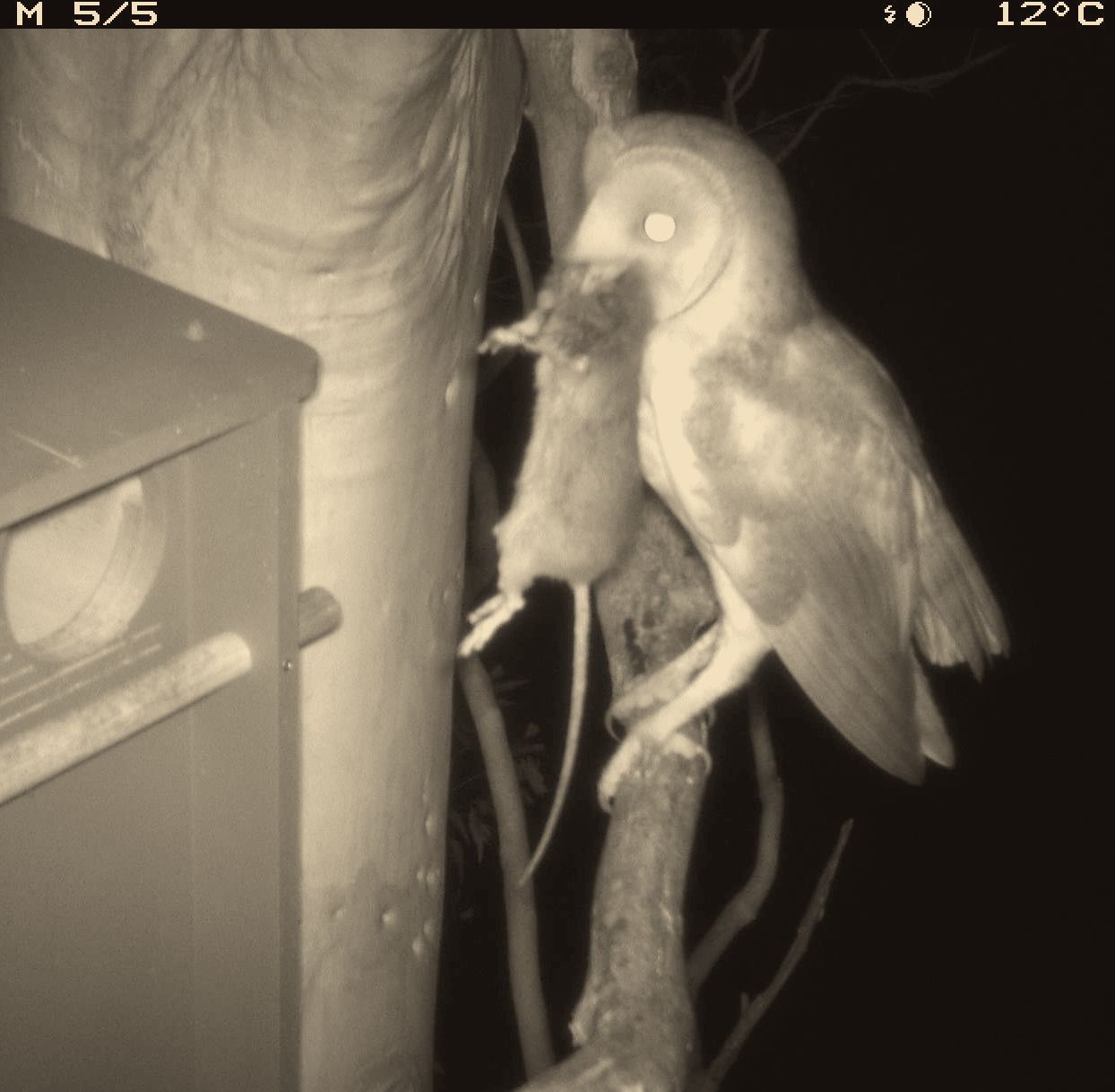
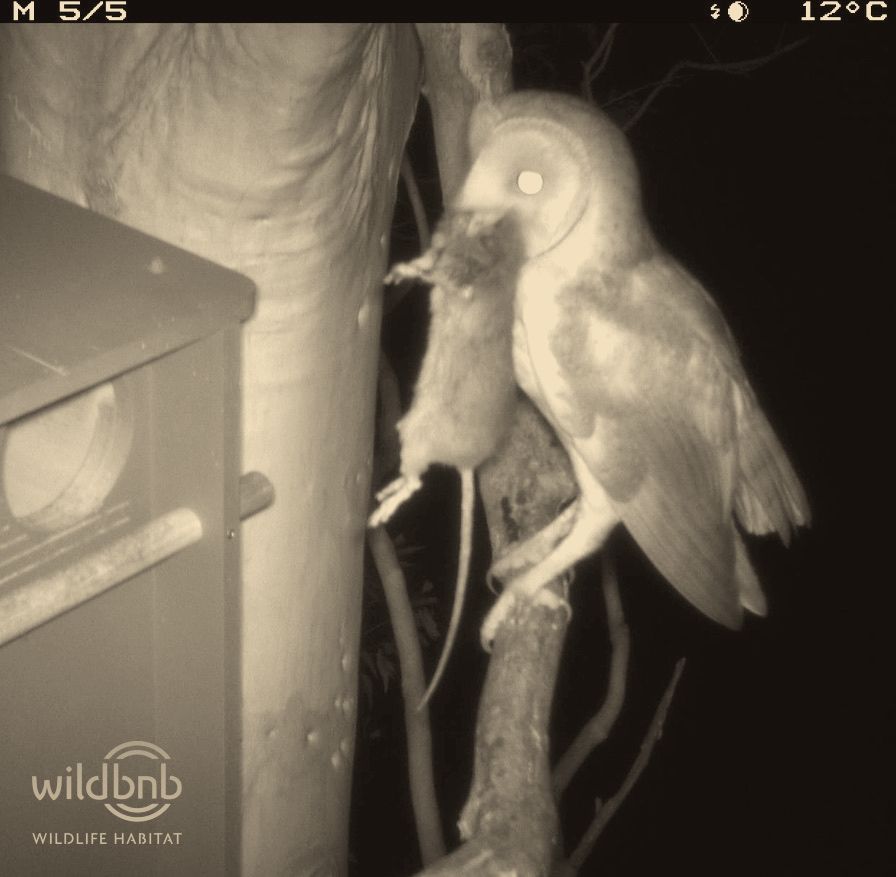
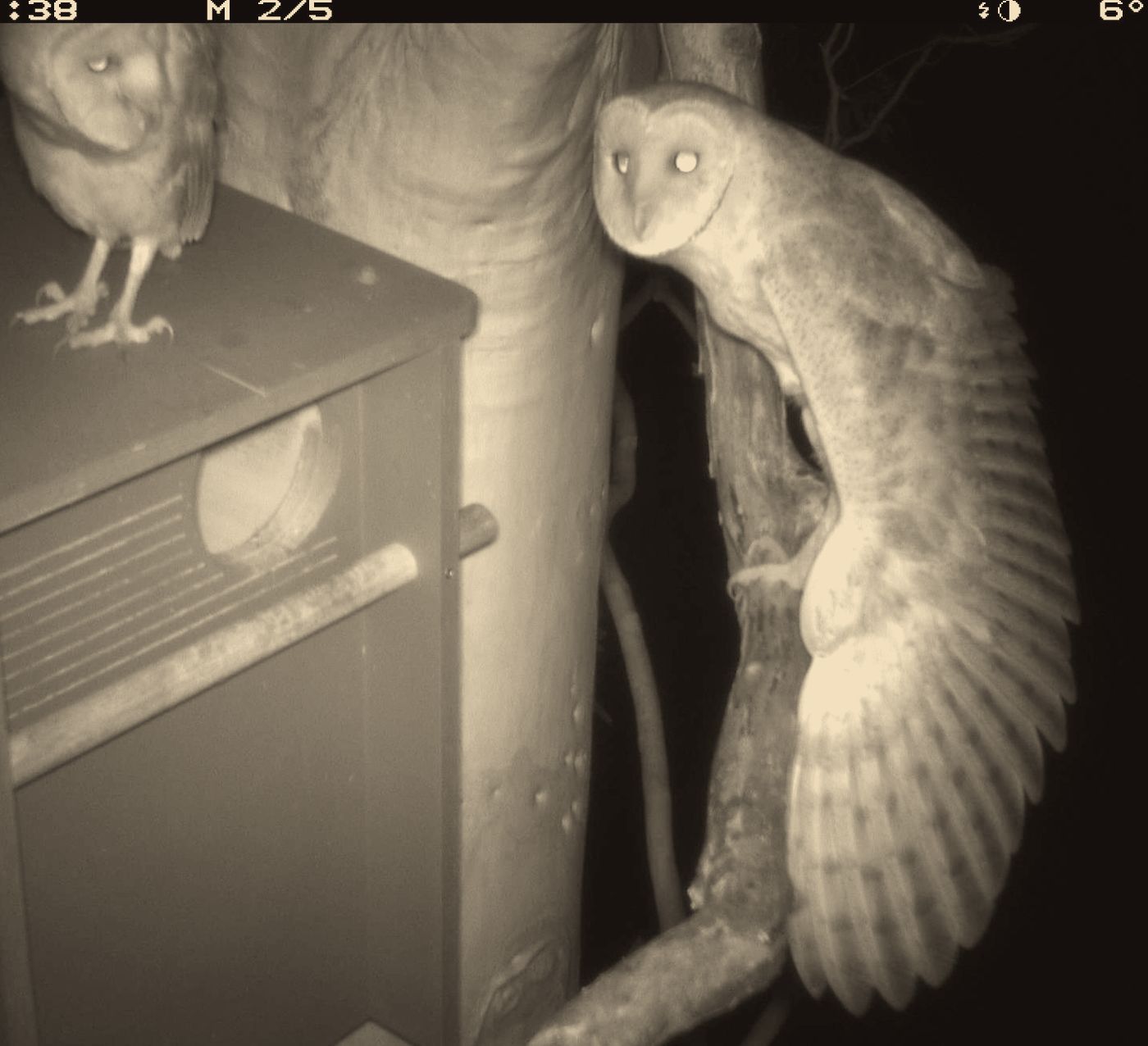
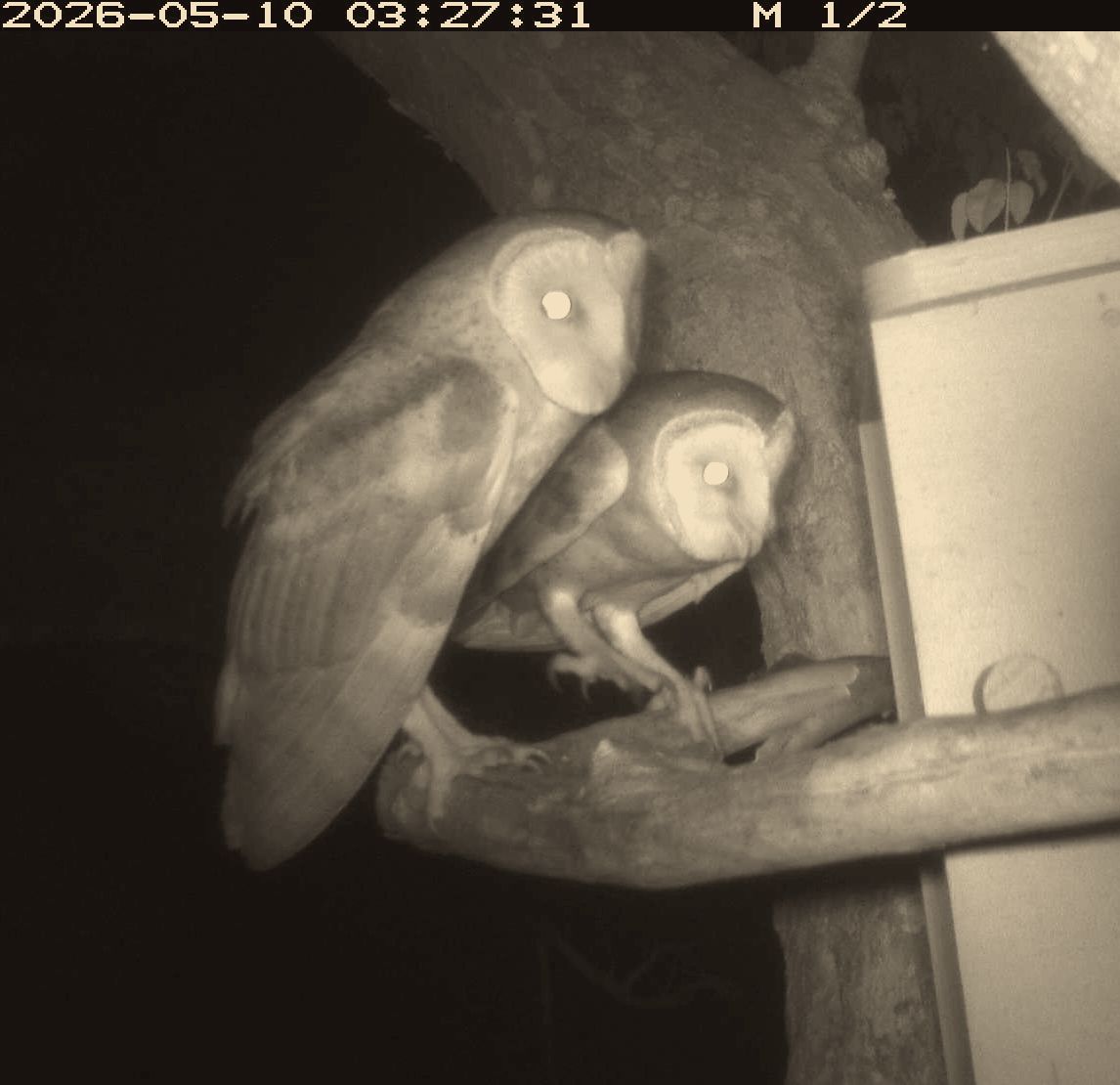
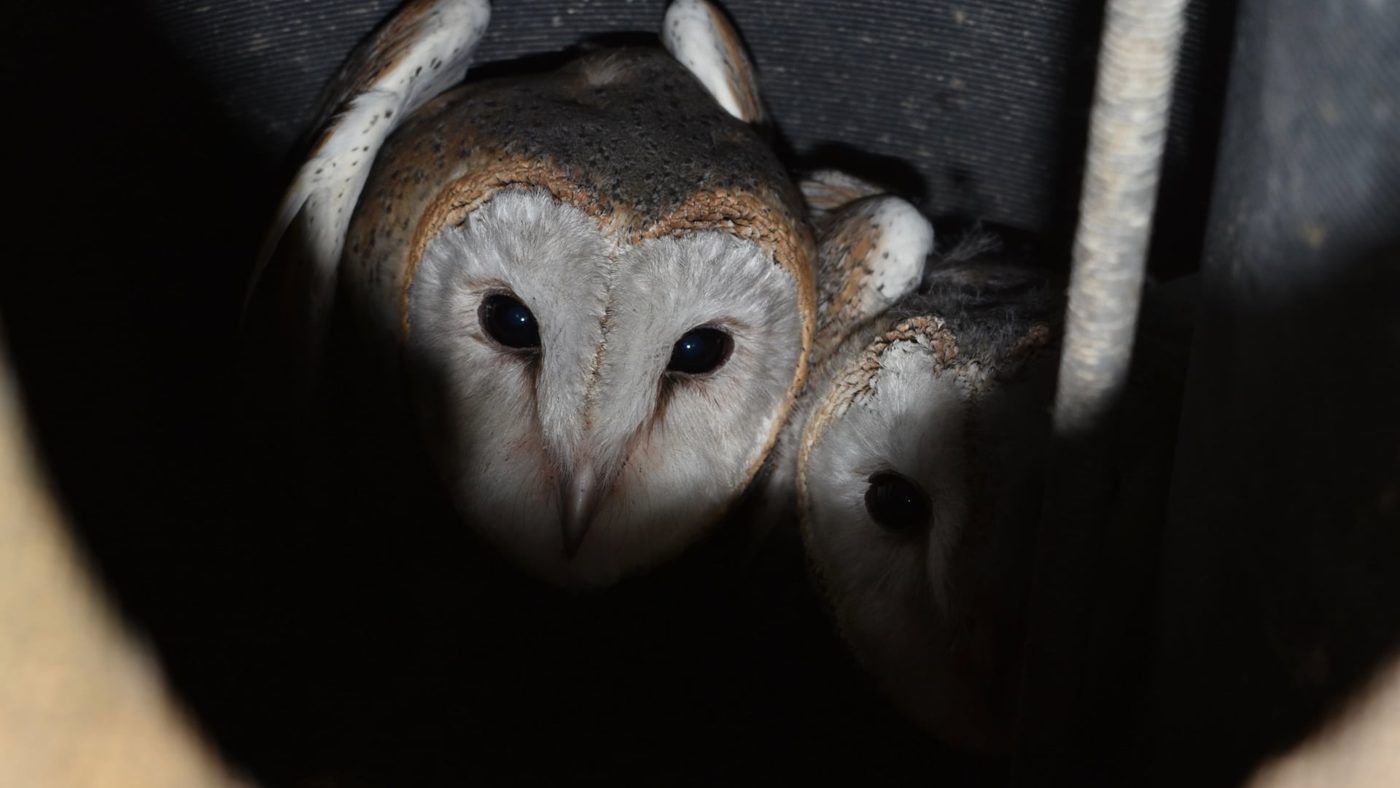
Every Owls-eat-Rats site has wildlife cameras on the boxes and hunting roosts. This is the evidence our clients receive.
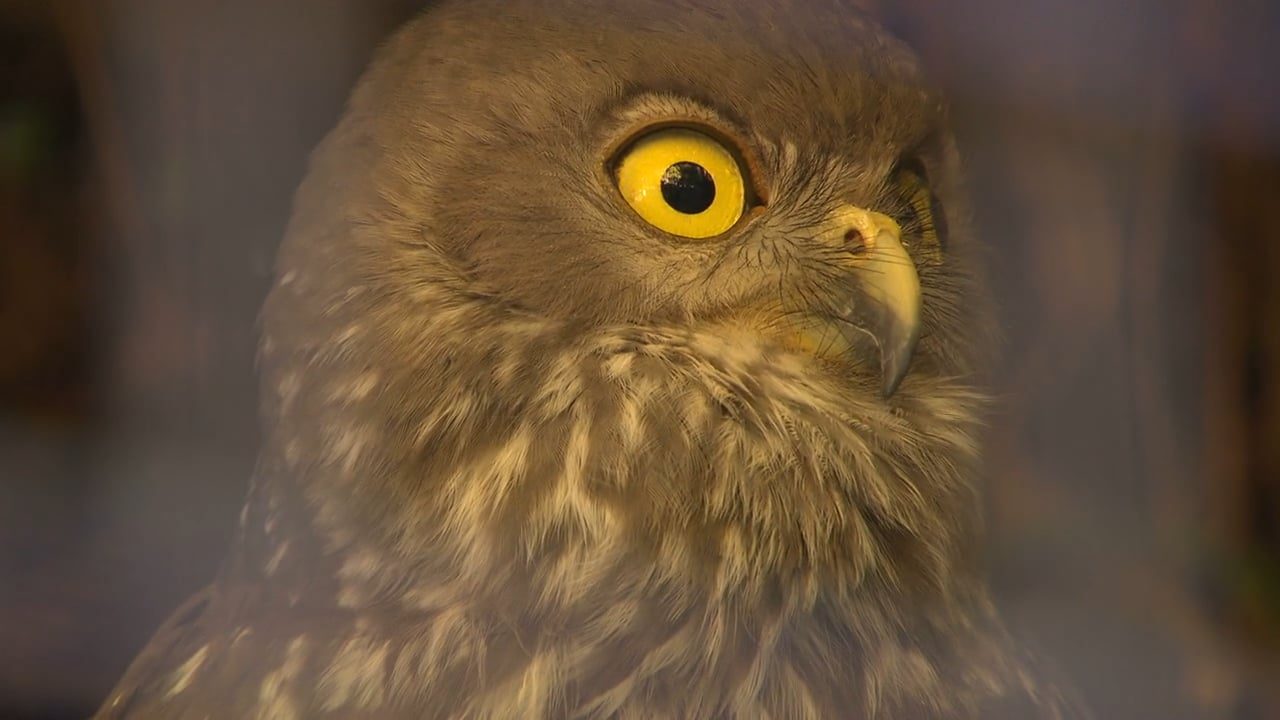
That’s what a small family of barn owls takes, by our own observations. Each clip is logged, so you can see the system working on your farm.

Beneficial Wildlife · Owls-eat-Rats
We design, install and monitor owl boxes and hunting roosts on farms. As owls establish, we help you phase out the rat poisons that kill them, and you get the data to prove it.
Habitat installed, owls move in, monitoring starts. Safer baiting while numbers build.
Breeding owls hold rat numbers steady. Each season adds field data and imagery.
Sustained predation. Documented cuts in chemical use for your ESG reporting.

For organisations
Councils, developers, agribusiness and conservation groups trust us with projects that need to be done properly, documented and reported.
Threatened species programs, reserves and urban habitat corridors.
Meet vegetation and habitat conditions when trees must be removed.
Biological pest control and biodiversity data for ESG and supply chains.
Co-designed recovery projects led by Traditional Owners.
Baselines and impact data you can audit.
Every hollow GPS-logged, inspected and reported.
Download our two-page capability statement, or tell us about your project and we’ll talk through scope, timing and reporting.
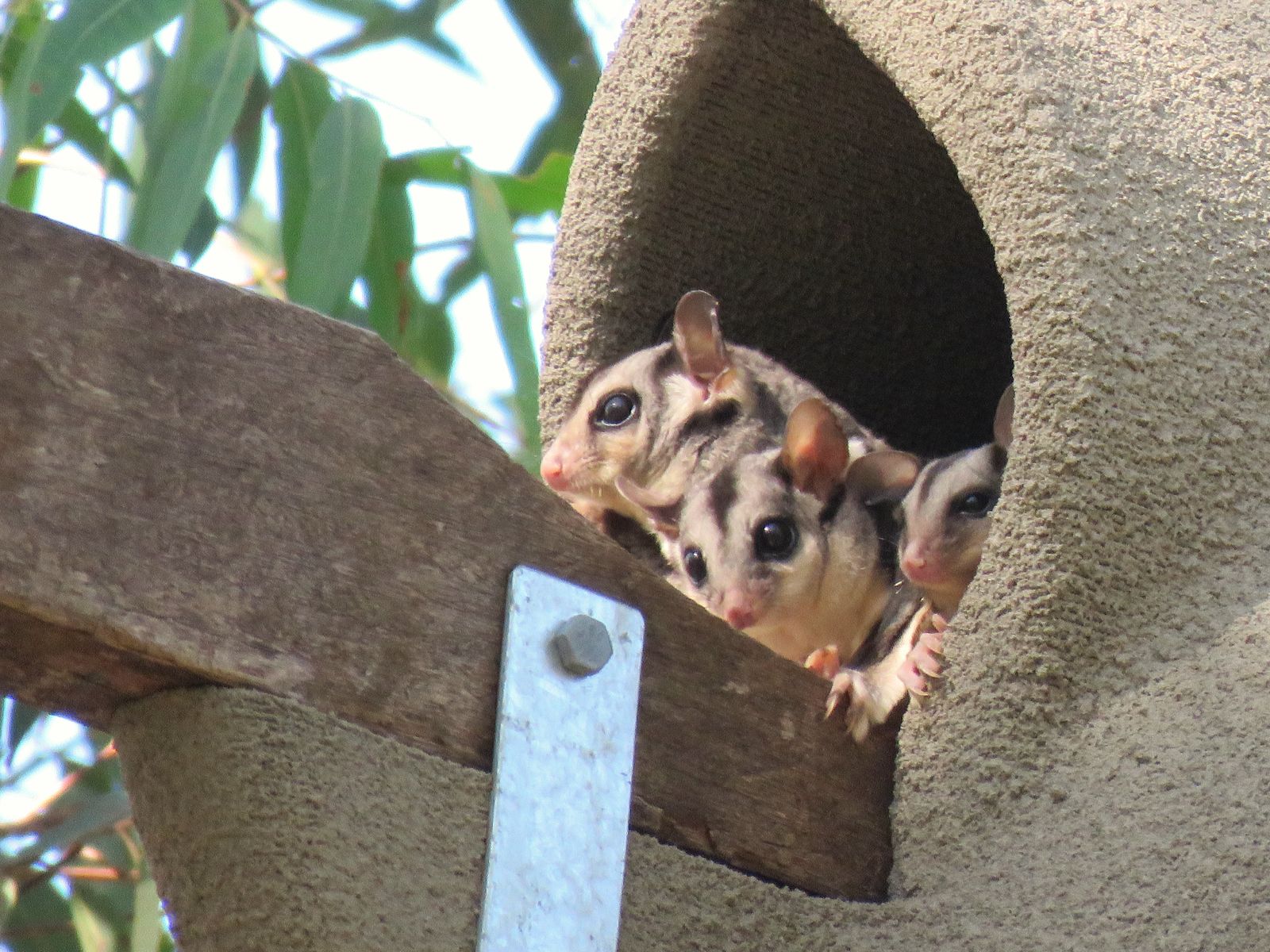
Who moves in


Packages for smaller properties
Each package includes a site check and professional installation. They suit backyards, small acreages and first projects.


Farms, councils, developments and landscape projects need a plan built around the land. Tell us about your project and we’ll prepare a tailored proposal, with a site assessment where the project needs one.
Results in the field

450 hectares of regenerative agriculture. Owls moved into a box within a week of installation.

Over 120 nest boxes installed with the Minyumai Rangers after the 2019–20 fires.

A Women Ranger-led project with WWF-Australia. One koala on camera in 2023, nine found by thermal drone in 2025.

Mapping feed trees, nests and flocks, and installing purpose-built hollows across the region.

Found by our team auditing big trees near Byron Bay, weeks after the species was listed as Endangered.

Glider habitat, hollow audits and spotlight surveys with landholders, from National Park edges to private land.
Private clients stay anonymous. We name partner sites only with their permission. All projects →
Culturally Significant Wildlife
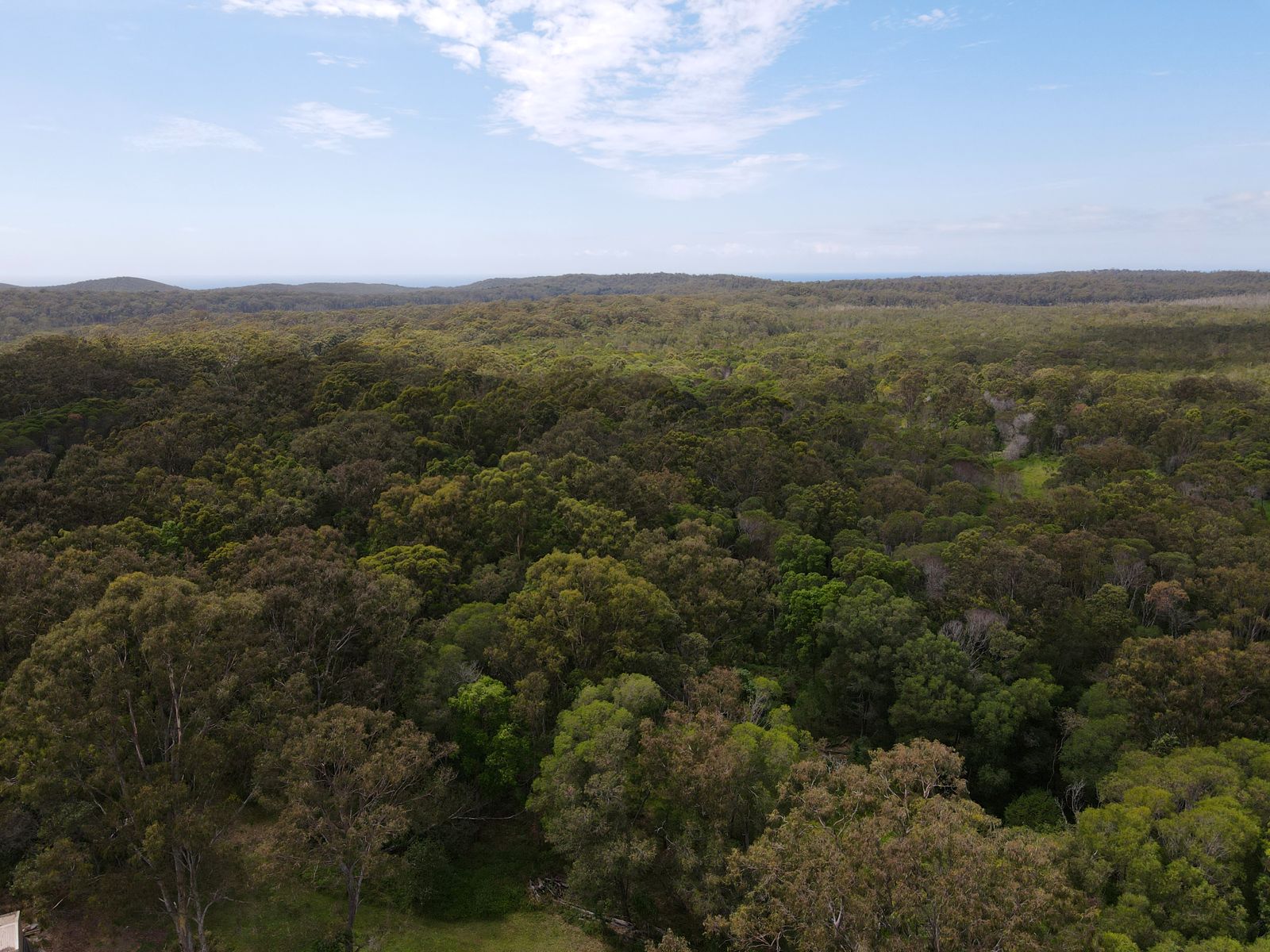
Minyumai is a 2,163 ha Indigenous Protected Area between Bundjalung National Park and Tabbimoble Nature Reserve, returned to the Bandjalang community in 1999. We have worked alongside the Rangers since the 2019–20 fires.
Women Ranger-led monitoring, 2,500 food trees planted and a recovery plan.
120+ nest boxes, 4G cameras, bioacoustics and drone surveys.
Seven purpose-built hollows at a known feed tree site, checked monthly.
Documenting and protecting a population of at least 15 dingoes.
Supported by WWF-Australia and NSW Saving our Species.
Read the story →“We exist to slow the rate of extinction of vulnerable species. Using habitat, not chemicals, we help landholders, councils and Rangers put wildlife back to work across natural, agricultural and urban land.”
In the news
Taronga’s Hatch program backs our plan to take natural rodent control to more farms.
Read ↗ WWF-Australia · May 2026How the Minyumai Rangers found healthy, chlamydia-free koalas after the fires.
Read ↗ NSW Government · October 2020111 Wildbnb nest boxes for gliders, owls and parrots after the 2019–20 fires.
Read ↗Tell us about your land. We reply within three business days with the best next step for your land.