Home/Beneficial Wildlife/Owls-eat-Rats
Imagine controlling rats without poison.
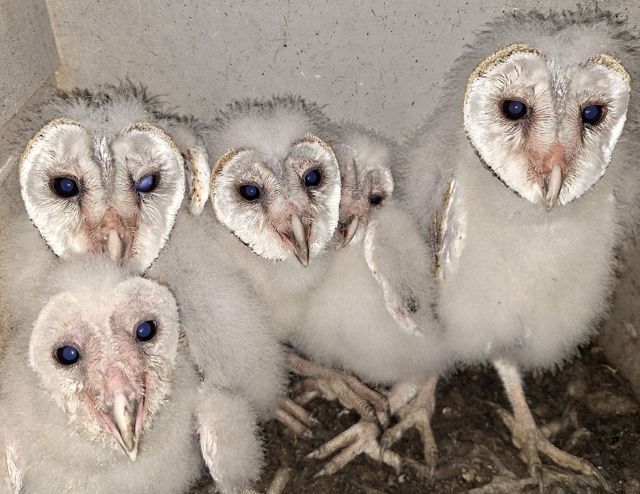
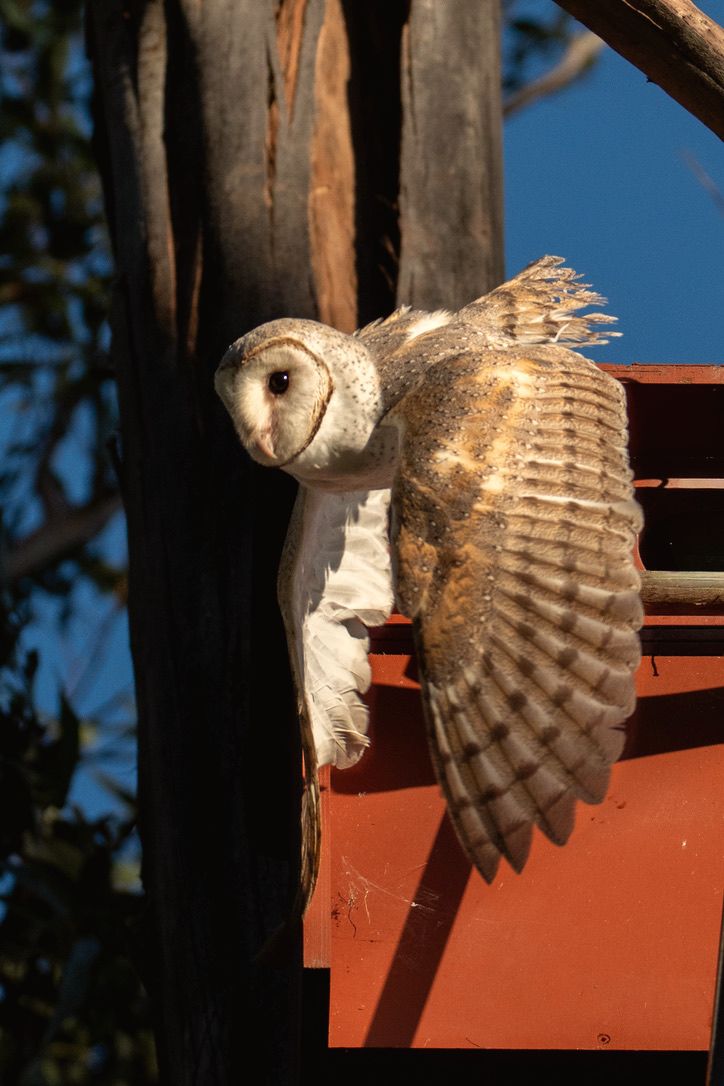
Owls-eat-Rats builds habitat for barn owls on farms, monitors what happens and helps you move away from the rodenticides that kill them. It started here in the Northern Rivers and won Taronga’s Hatch program in 2025.
A biological approach
Get the conditions right. The owls take it from there.
Second-generation anticoagulant rodenticides (SGARs) work well on rats. The same mechanism kills the owls that eat those rats, removing the predators that could keep numbers in check.
We design, install and monitor purpose-built nesting boxes and hunting roosts, matched to your site. Wildlife cameras and ground surveys track activity over time, so you can see what’s working.
Project trajectory
How a colony builds, season by season.
Like any integrated pest management, it takes several years to reach full effect. The steps follow the owls’ own behaviour.
- 01
Install on the best edges
Boxes and roosts go on tall trees and habitat edges where owls already hunt and move.
- 02
Owls investigate and adopt
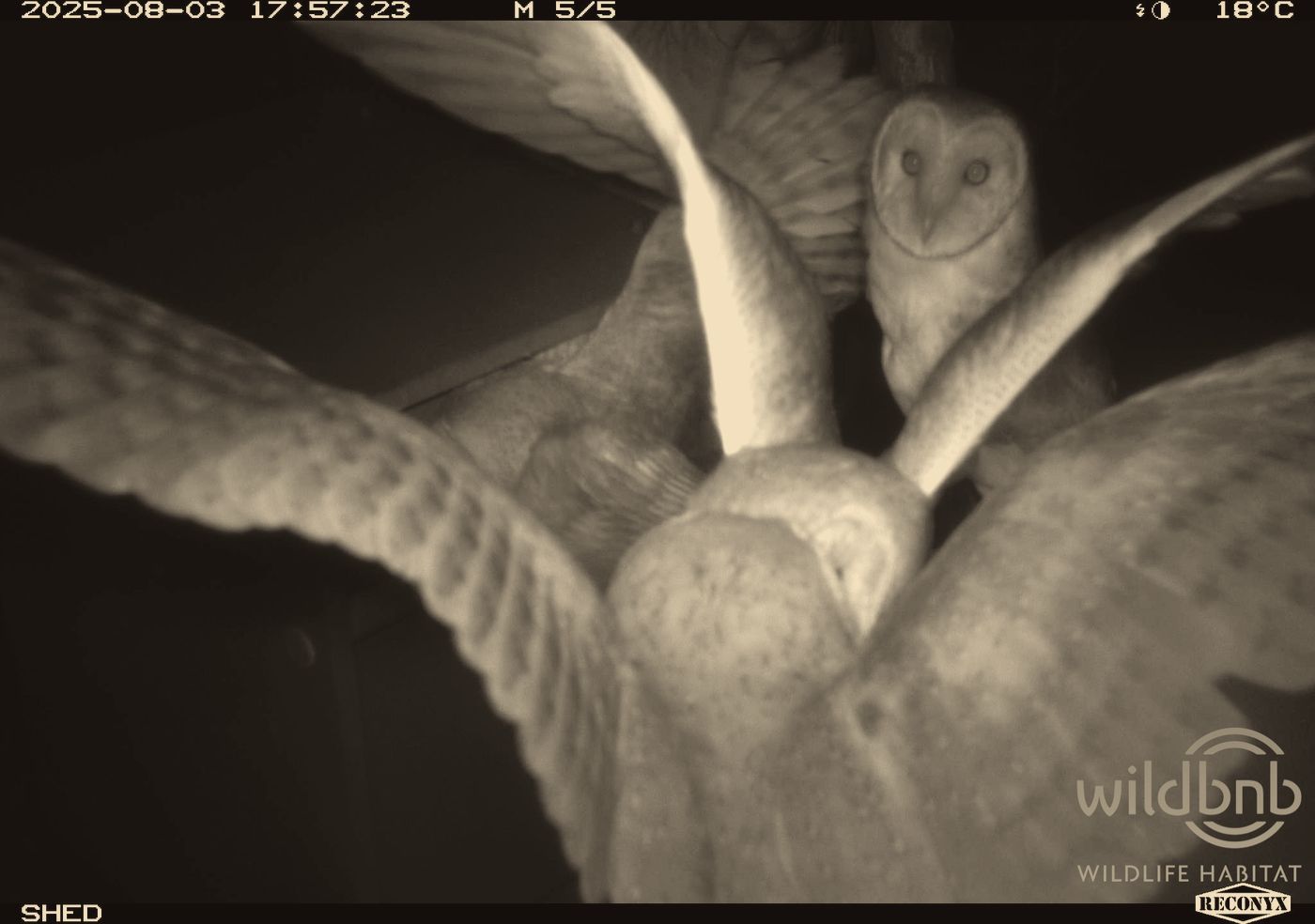
Hunting and nest prospecting bring owls to the boxes. Cameras confirm visits and occupancy.
- 03
A colony forms
With safe hollows and clean prey, pairs breed, raise chicks and roost on site by day.
- 04
Predation pressure grows
As rodent pressure rises with the crop, a growing resident colony hunts harder.
- 05
The system spreads
Hunting pressure expands outward along native bush corridors and onto neighbouring farms.
Early results
It’s already working. Now we’re measuring how well.
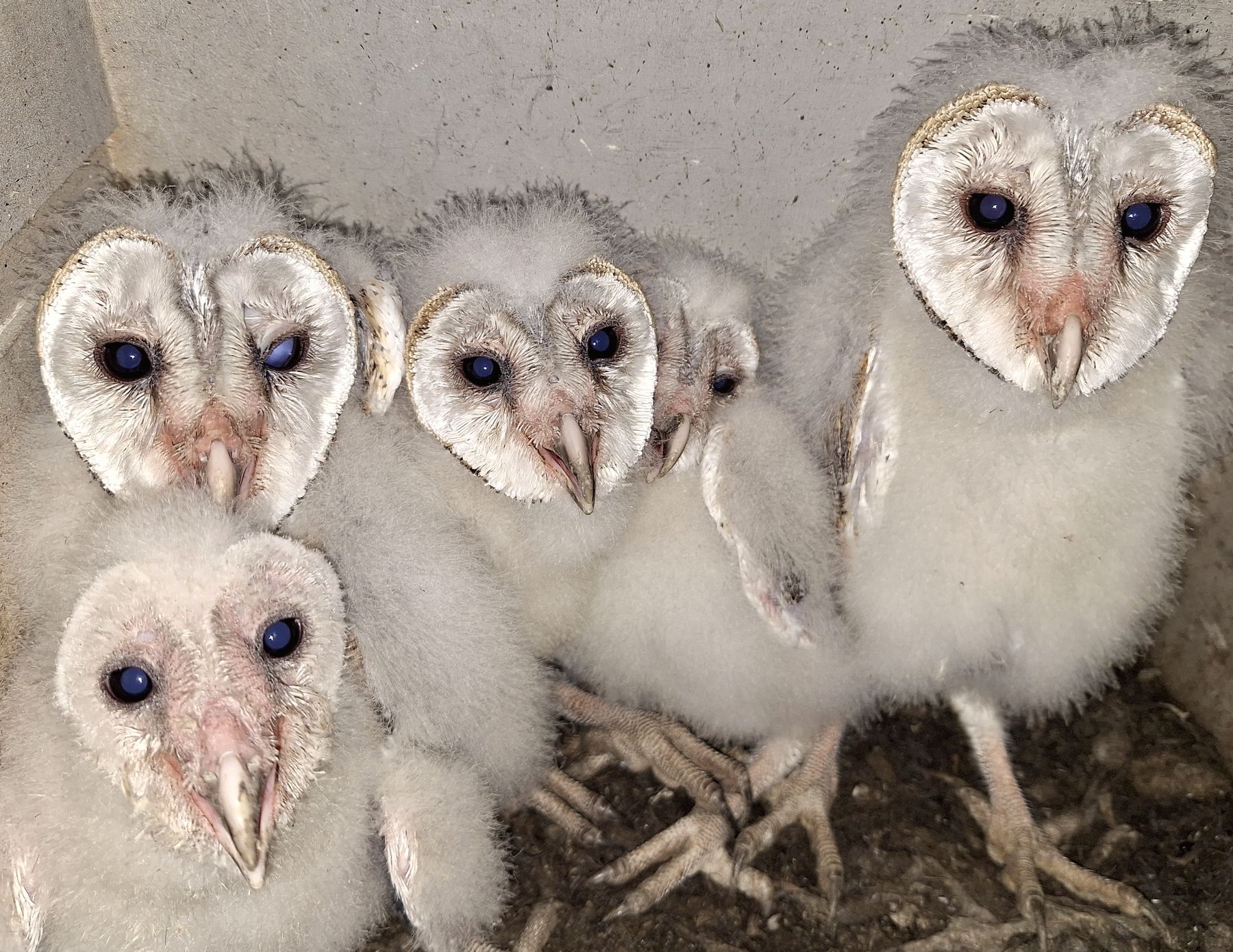
At Banyula, a 450-hectare regenerative farm at Clunes, owls moved into a box within a week. In 2026 seven breeding pairs are incubating more than 30 eggs. Our monitoring shows one breeding cycle can remove around 1,000 rats.
We’re now replicating these results across partner farms in a formal, multi-site research program with university partners.
Rodenticide transition pathway
Not cold turkey. A staged, safe transition.
Stopping all rodenticide overnight is risky, so we don’t advise it. We build a site plan with you: non-SGAR baiting where needed, third-party trapping and rodent surveys while the colony establishes.
As natural predation grows, field baiting drops to short, targeted pulses. Rodenticides become a last resort, not a routine. SGARs in the field are already unlawful under APVMA labels, and a single bait fragment in harvested nuts can see a whole batch rejected.
One firm rule: we can’t work on sites where SGARs are still deployed in the field, because they kill the owls the system relies on.
- Y1
Establish
Habitat installed, owls move in, monitoring starts. Safer baiting while numbers build.
- Y2
Stabilise
Breeding owls hold rat numbers steady. Ground surveys measure rodent pressure.
- Y3
Suppress
Sustained predation. Documented reductions in chemical use.
Delivering the E in ESG
A sustainability story that starts honest and ends measurable.
From day one you can say you’re trialling a nature-based alternative to rodenticide. Each season adds data, field notes and images, and by year three the story is documented reductions in chemical use.
Governance
Full visibility over design, data and monitoring, shared through a secure, auditable system.
Transparent data
Quarterly reporting, seasonal summaries and camera images, aligned to your reporting cycle.
Lower risk
Less chemical exposure, fewer compliance worries and stronger market assurance.
Stories to share
High-quality images for investors, staff, customers and your community.
What we install
A typical starter site.
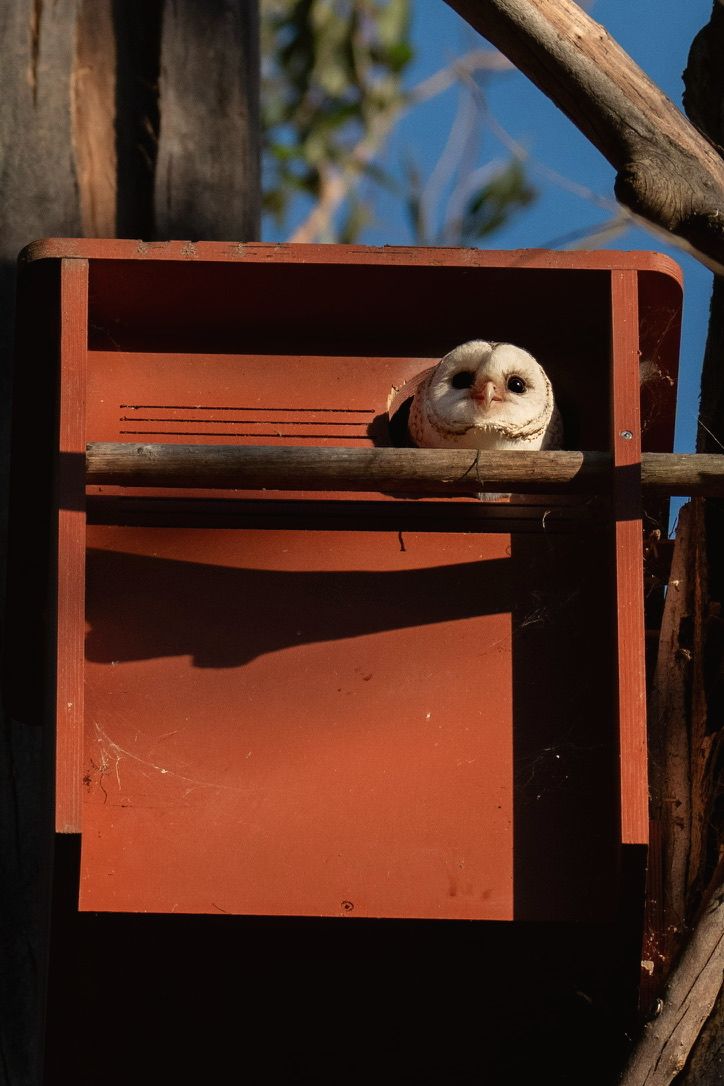
Wildbnb Owl Box
Developed over a decade for Eastern Barn Owls and Boobooks. Hoop pine ply, stainless fittings.
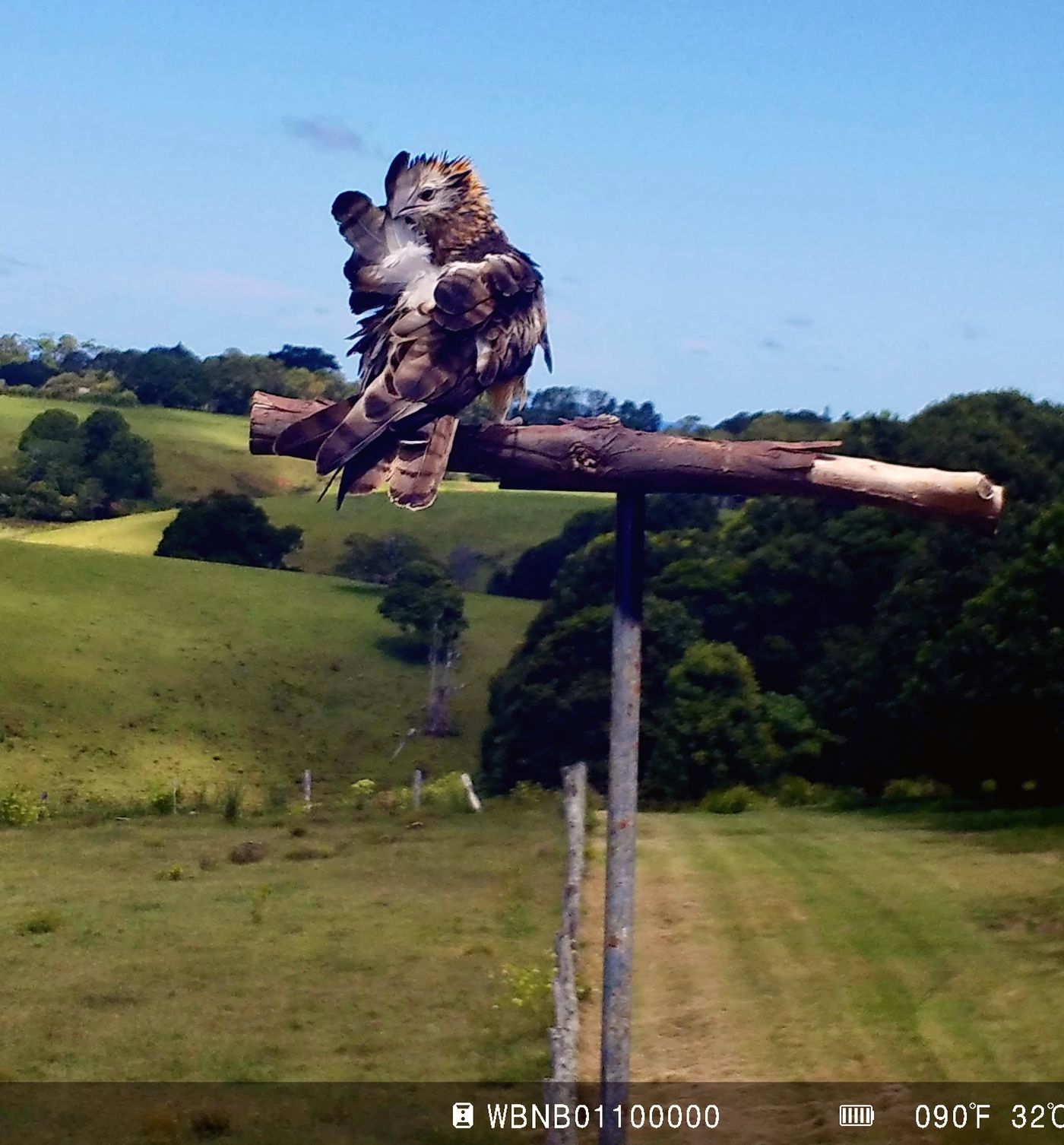
Hunting Roost™ + camera
A perch over open ground with a cellular camera to survey owls and raptors.
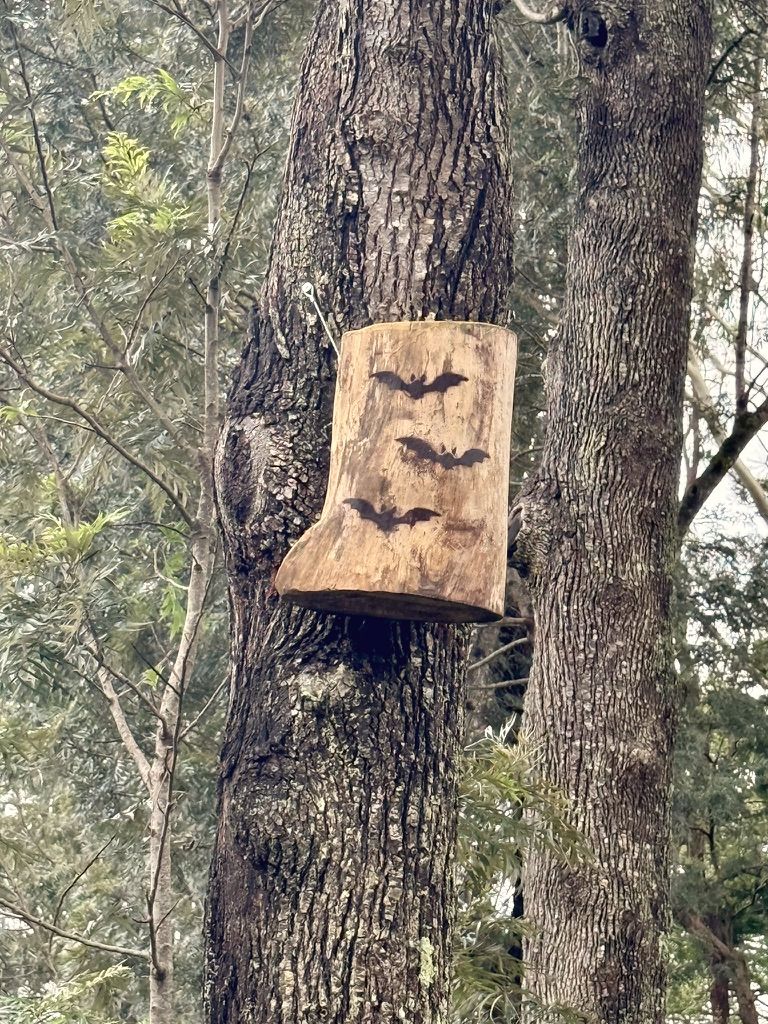
Microbat Roosts
Two designs for insect-eating microbats, part of Bats-eat-Bugs.
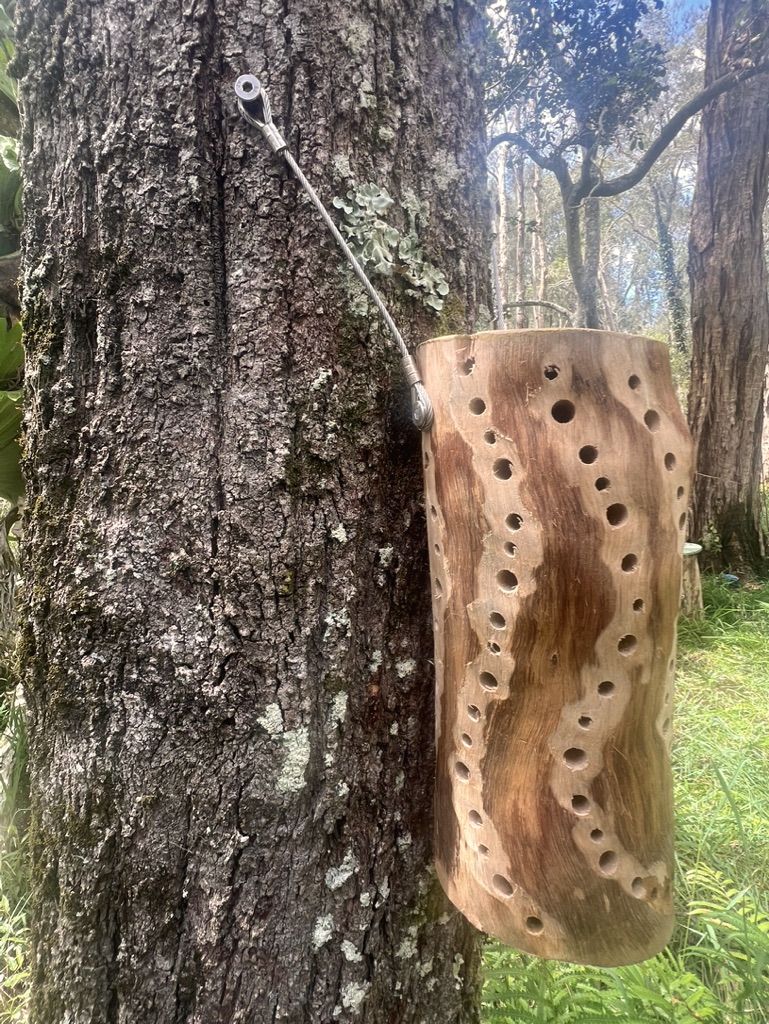
Hunk-of-Holes™
Pollinator habitat for solitary native bees and wasps.
Owls-eat-Rats Starter · $4,543 inc GST
3 owl boxes, 1 hunting roost, site check, installation and a first monitoring round with report.
Hunting Roosts™
A perch with a view, used all night.
Hunting roosts give owls and other night hunters a lookout over open ground, right where rats move. This Tawny Frogmouth was filmed on one of our roosts during a night survey.
Owls-eat-Rats FAQ
Straight answers.
More questions? Our team is happy to talk it through.
Do I have to stop using bait?
Yes, if it’s an anticoagulant, which includes most rodenticides used on farms. When an owl eats a poisoned rat it takes in the toxin, which causes internal bleeding, failed breeding and death. Owlets are especially at risk.
During the transition, or a sudden outbreak, we support less toxic options like cholecalciferol, which doesn’t build up in predators.
What if the owls don’t show up?
Barn owls live in most farming regions of Australia. The main thing holding them back is a lack of breeding hollows. Some sites are used within weeks, others take months. We assess habitat, connectivity and bait history first to give your site the best chance.
What kind of farms is this for?
Small to medium farms that genuinely value biodiversity, with some tree lines, windbreaks or remnant bush, and room for bait-free buffer zones. It isn’t suited to bare broadacre monocultures or sites surrounded by heavy poison use.
What if my neighbours still use poison?
Owls don’t recognise fence lines, so neighbouring SGAR use puts the system at risk. We’re happy to work with neighbours on alternatives. On large, complex properties a buffer may be enough. If the risk can’t be managed, we won’t proceed.
How much does it cost?
The owls are free. The habitat, installation and monitoring aren’t. Small farms can start with the Owls-eat-Rats Starter package. Larger sites get a clear cost breakdown once we understand the site, and we look for grants and shared investment where we can.
Can I use it with other pest control?
Yes, as part of integrated pest management: traps, exclusion, hygiene, cover control and short-term cholecalciferol baits. Anything that leaves poison in the food chain is out.
Be part of the next phase.
We’re looking for the right farms to join the multi-site research program.