
Home/Culturally Significant Wildlife
Caring for Country, led by the Rangers.
Since the 2019–20 fires we have worked alongside the Minyumai Rangers on Bandjalang Country, combining traditional knowledge with science and technology to bring culturally significant species back.
Minyumai Indigenous Protected Area
A meeting place, returned.
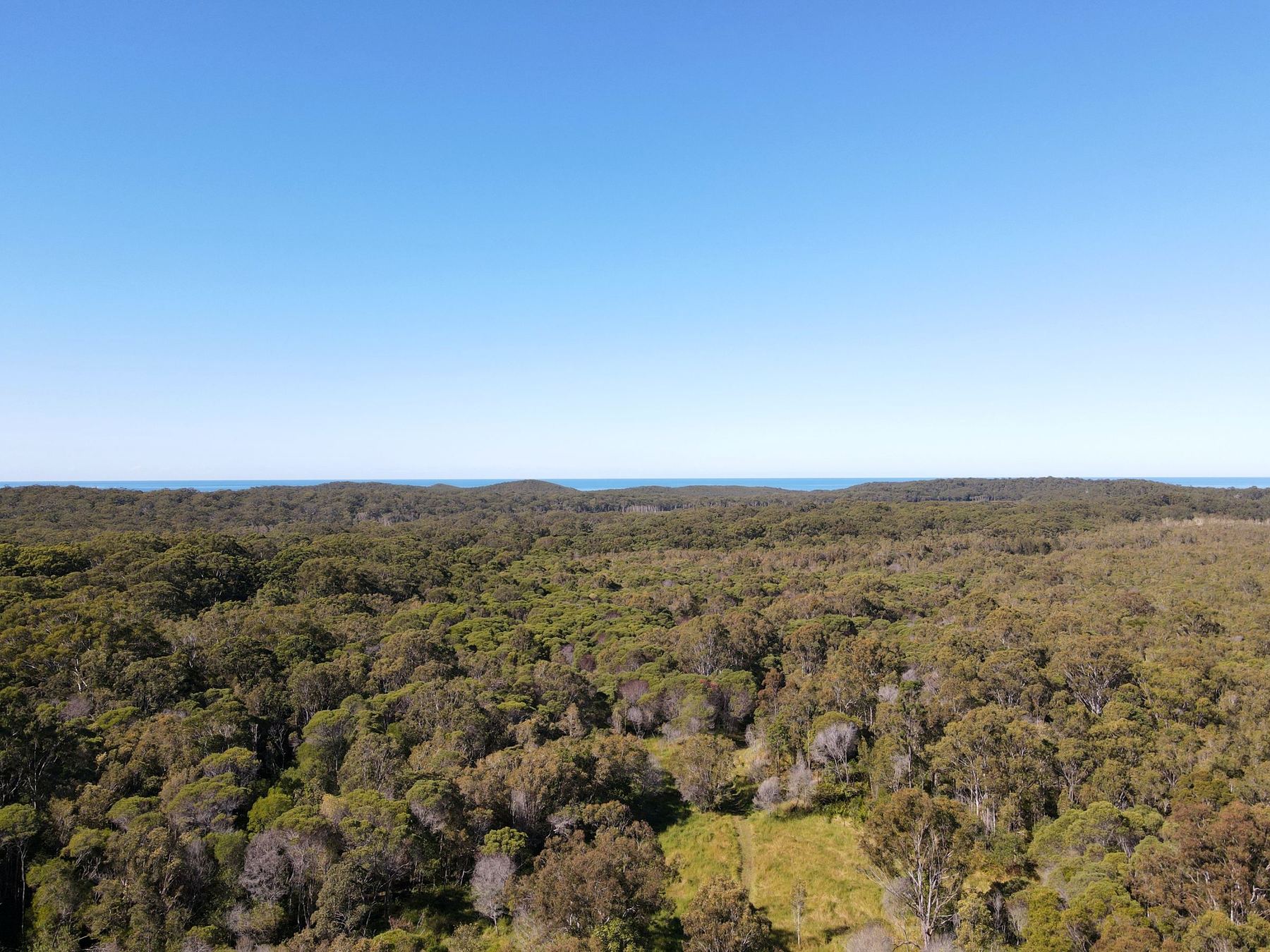
Minyumai means main camp or camping ground. For generations it was a meeting place and thoroughfare for the Bandjalang clan of the Bundjalung Nation. The former cattle property was handed back to the Bandjalang community in 1999 and dedicated as an Indigenous Protected Area in 2011.
Its 2,163 hectares of rainforest, paperbark groves and wetlands link Tabbimoble Nature Reserve and Bundjalung National Park, creating about 20,000 hectares of connected habitat between the escarpment and the coast. It is a refuge for 28 threatened species.
In 2019 bushfires burnt more than 90% of the IPA. That is when our partnership began.
Projects
Each species by its Bandjalang name.
The Bandjalang clan traditionally chose to protect Boorubee rather than hunt them. After the fires the Rangers feared they were gone. In June 2023 a wildlife camera captured one, named Rubee. Thermal drone surveys then found six koalas in 2024 and nine in 2025, and scat tests showed they are free of chlamydia, which is rare in northern NSW.
The Women Ranger-led Boorubee Monitoring & Recovery Project, supported by WWF-Australia, has planted 2,500 koala food and shelter trees and is building a recovery plan, with a Junior Ranger program for local students.
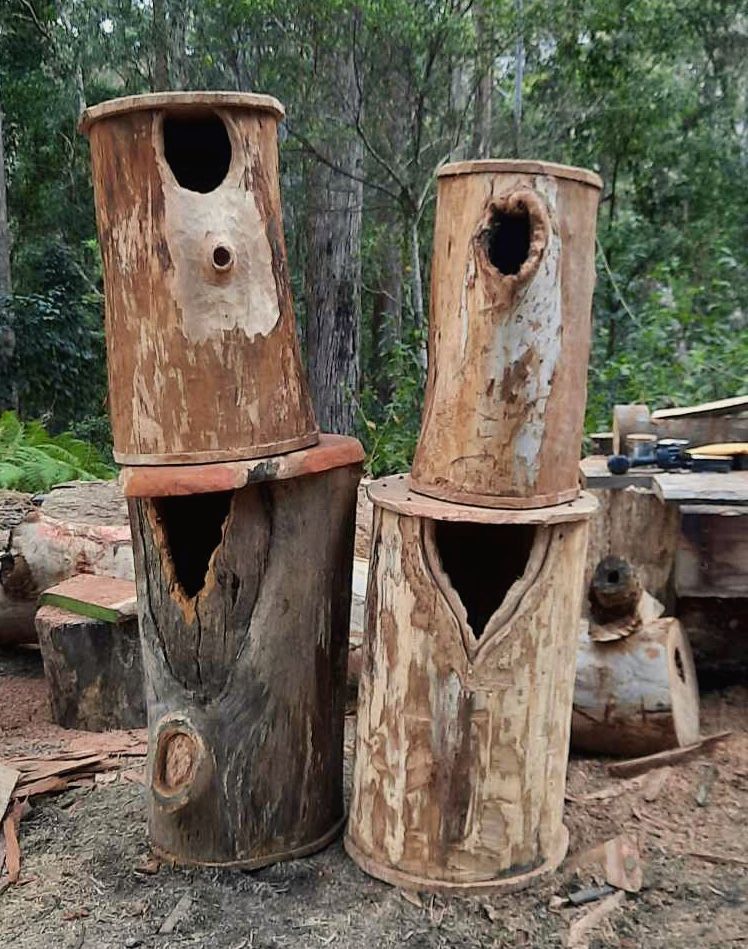
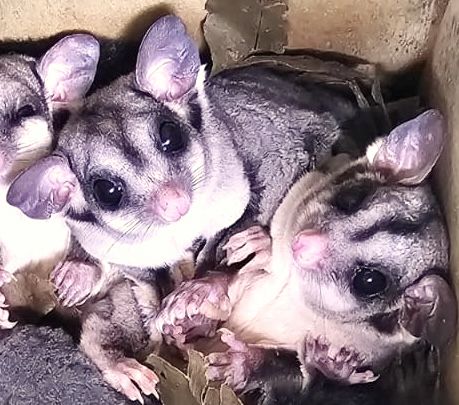
After the fires, over 120 nest boxes were installed for the threatened Squirrel Glider, Brush-tailed Phascogale and Yellow-footed Antechinus. During regular monitoring the Rangers watched gliders move back across the land. By 2023, 95% of the boxes were occupied.
Nocturnal surveys, bioacoustics, 4G cameras, AI software and drones help map where they live.
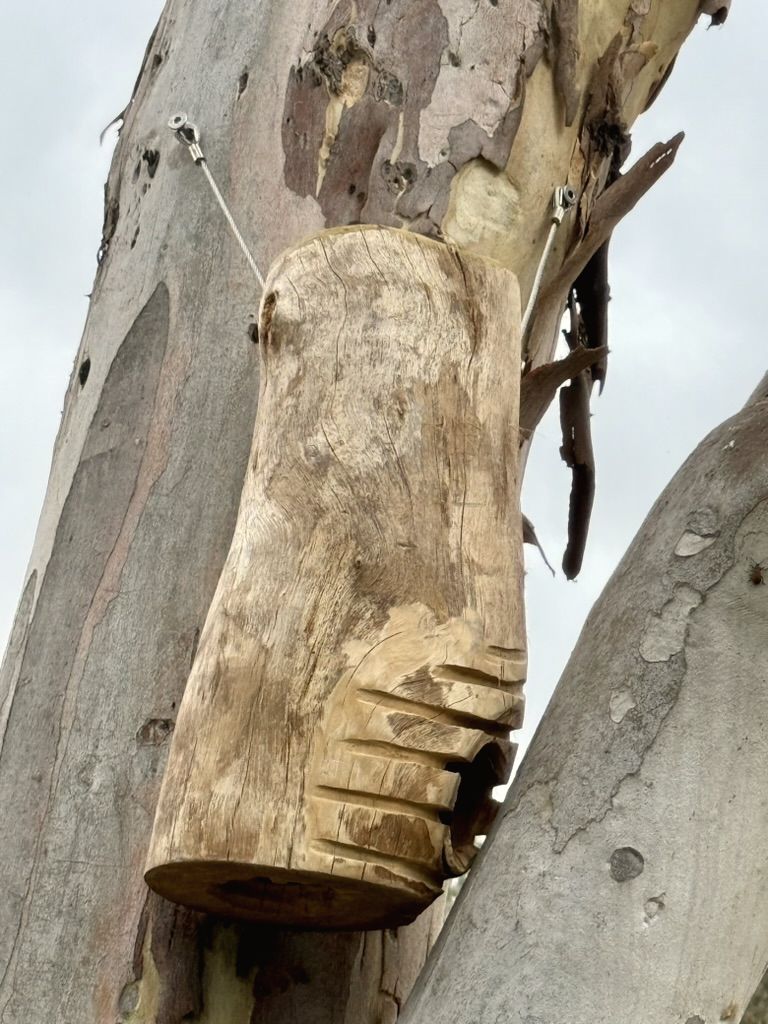
Minyumai is a key site in Glossies Northern Rivers, our partnership with WWF-Australia and NSW Saving our Species. Seven hollows designed for Gehrr are installed at a known feed tree site and checked every month, along with feeding activity and bird behaviour.
The Rangers are documenting and protecting a population they estimate at no fewer than 15 dingoes. Dingoes help control introduced predators and feral pigs, and our team supports the monitoring work.
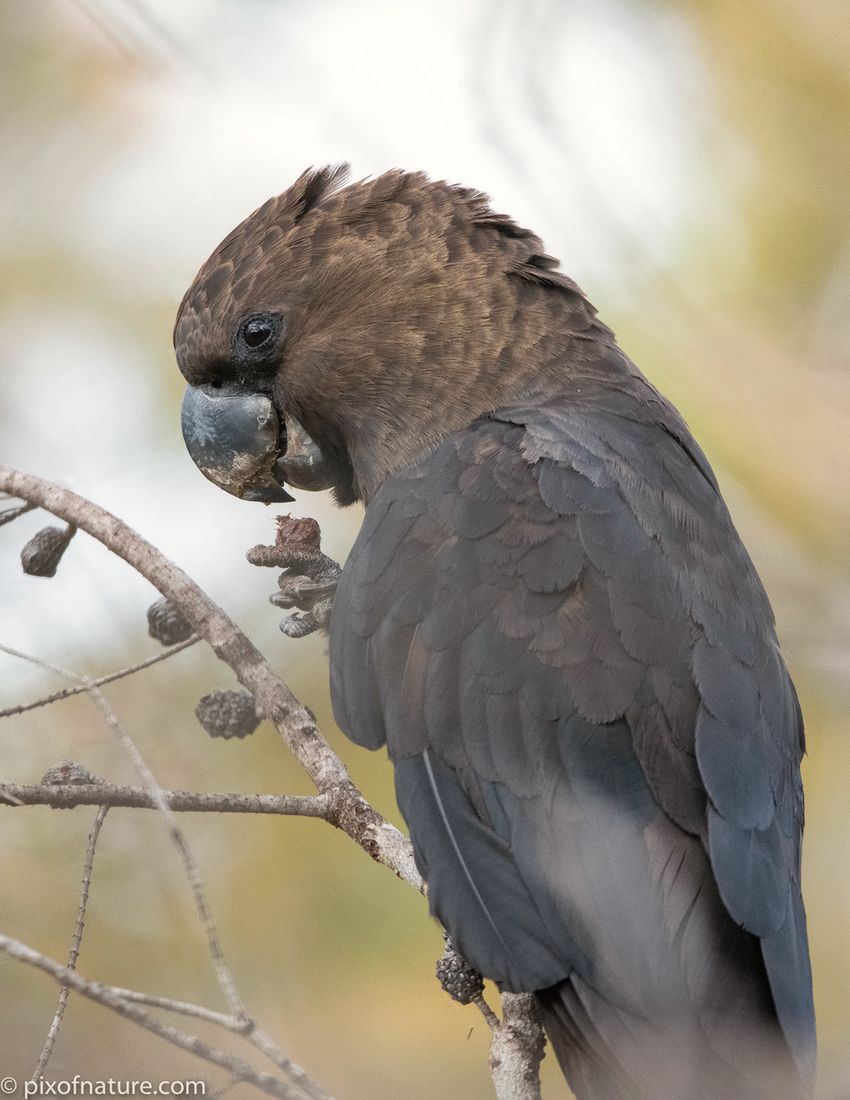
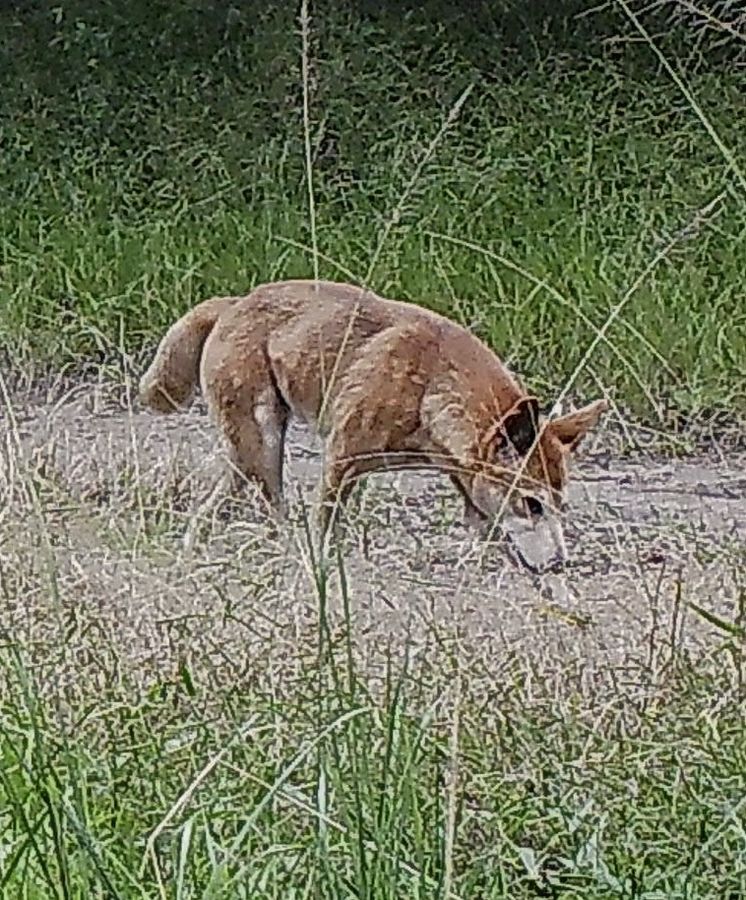
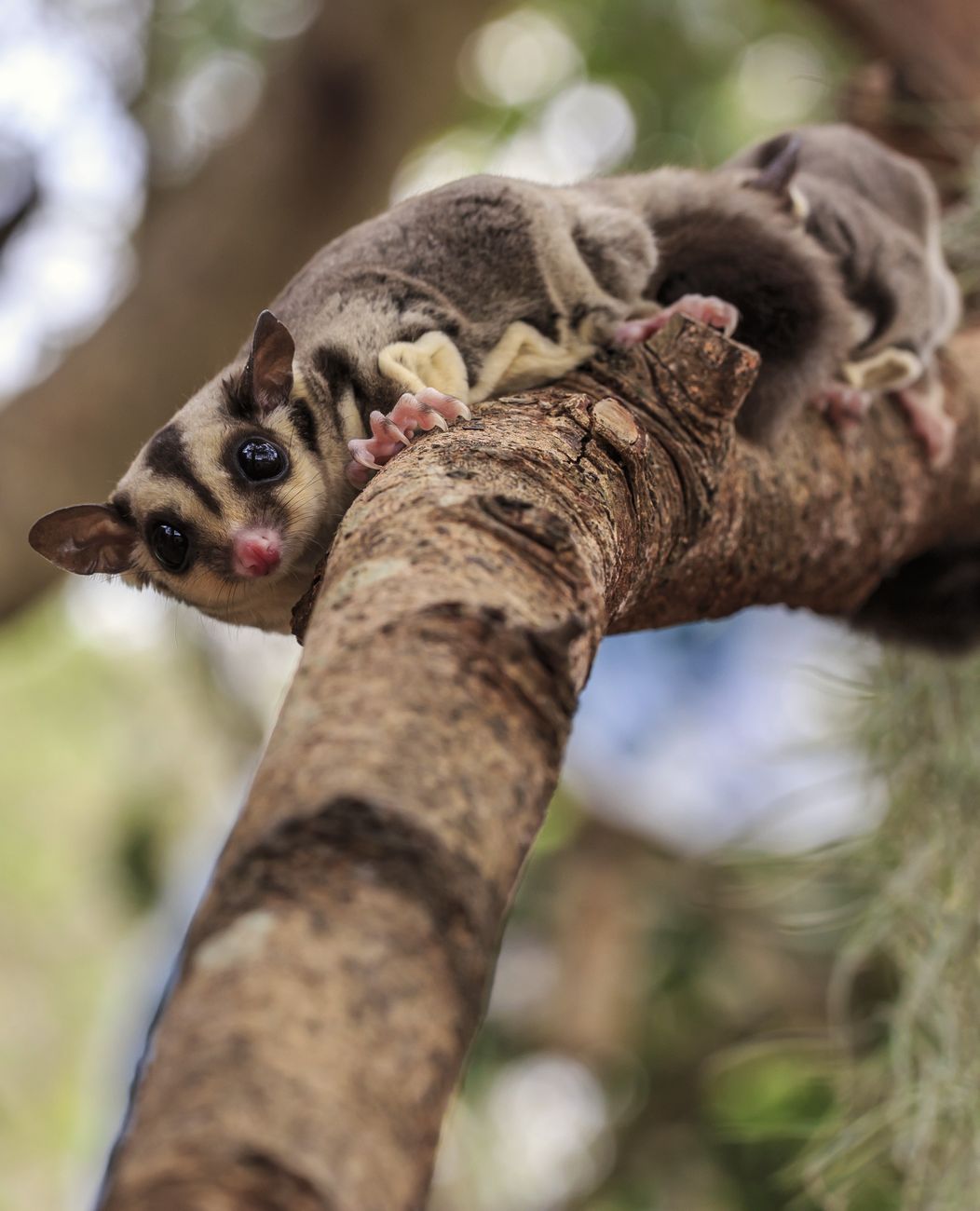
Species photos for illustration.
Habitat Trees
Knowing every big tree.
The Rangers have documented over 180 significant hollow-bearing trees across the IPA. Knowing where they are, and how healthy they are, helps protect them from wildfire. Priority trees are raked around to keep fire away from their trunks.
Our role
Rangers lead. We bring habitat and technology.
Priorities are set by the IPA Board and the Rangers. Wildbnb contributes habitat design and installation, monitoring technology, data analysis and help with partner funding and reporting.
The same approach shapes our wider work: through close relationships with landholders, conservation groups and Indigenous ranger groups, cultural knowledge, applied science and new technology work best together.
Partners
Working together.


Read more: WWF-Australia on the return of Boorubee ↗ · Country Needs People: IPA in focus ↗