
Home/Beneficial Wildlife
Put native wildlife to work on your farm.
Owls hunt rats. Microbats eat insects. Native bees pollinate. Our Beneficial Wildlife Program builds the habitat that keeps them on your land, so you can rely less on chemicals.
The program
Ten years of development. Now being put to the test.
The Beneficial Wildlife Program uses habitat, not chemicals, to support natural pest control. It is backed by universities and horticulture industry bodies, endorsed by the NSW Government as a leading biodiversity business idea, and won Taronga Conservation Society’s Hatch program in 2025.
Sites are running across the Northern Rivers and Southern Highlands of NSW, and the program is expanding into Victoria and Queensland. We co-invest in each site with monitoring technology, data analysis and reporting.
01 · Owls-eat-Rats
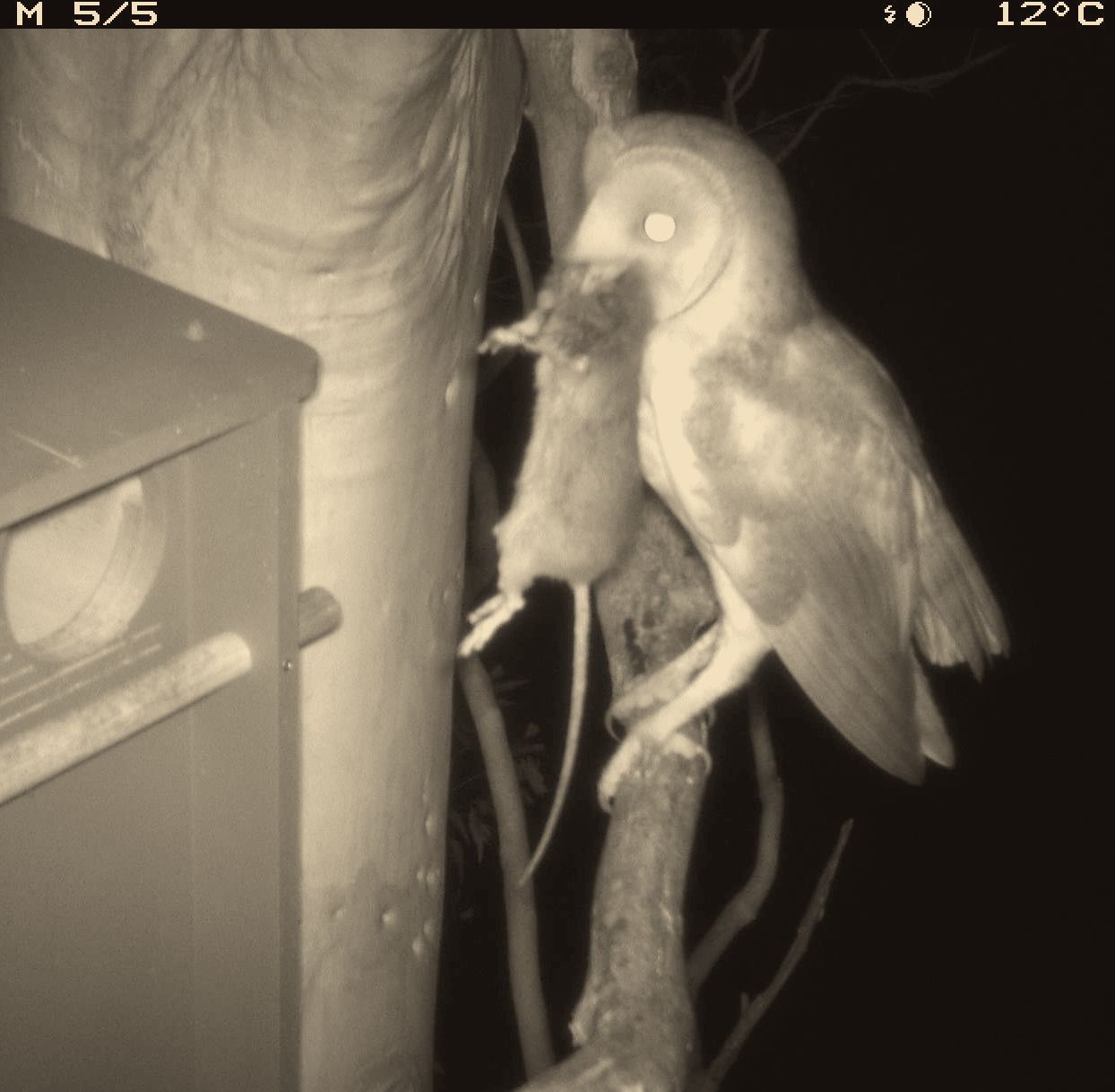
Natural rodent control, one colony at a time.
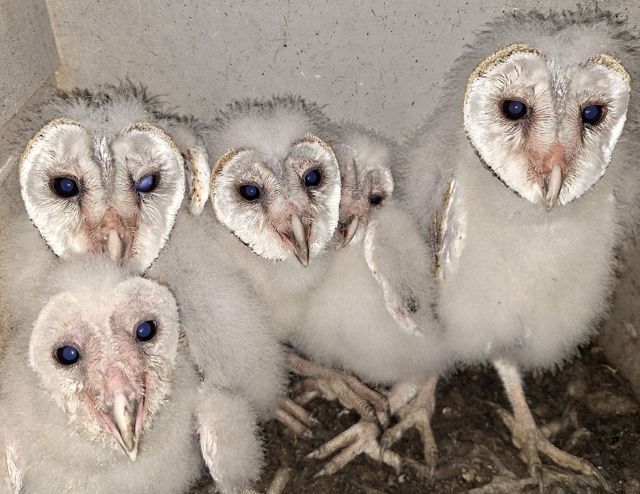
Eastern Barn Owls are limited by two things: a shortage of safe nesting sites and prey poisoned by rodenticides. We fix the first and help you phase out the second. A small family of barn owls can take 10 to 15 rats a night.
02 · Bats-eat-Bugs
Night-shift insect control.
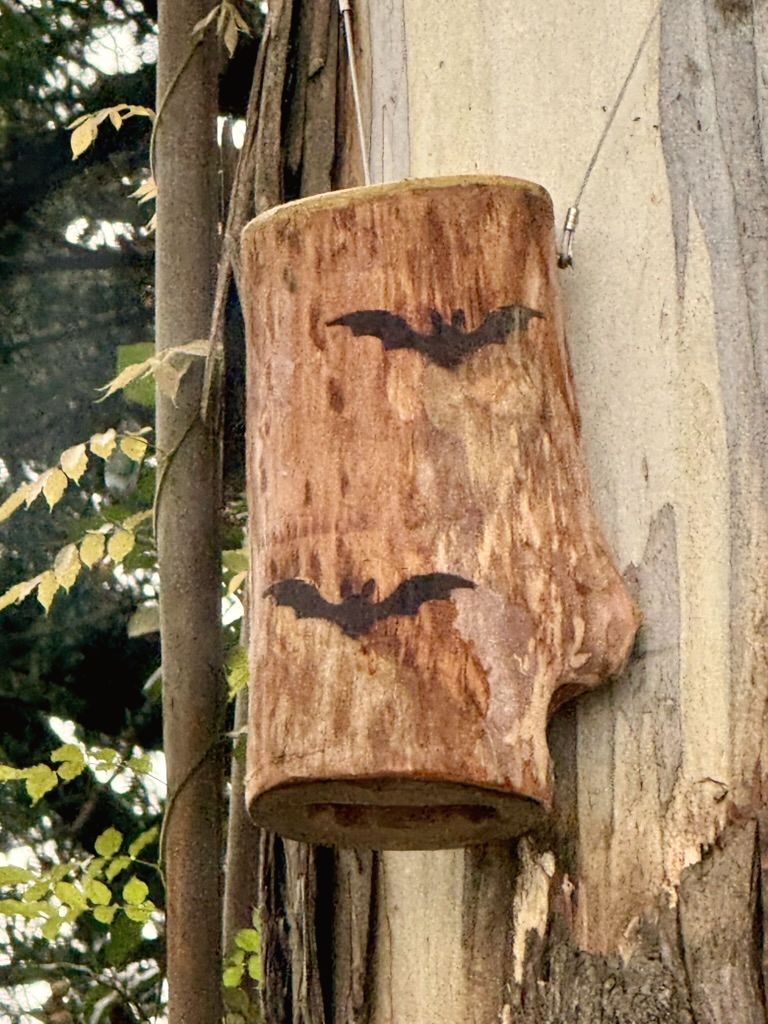
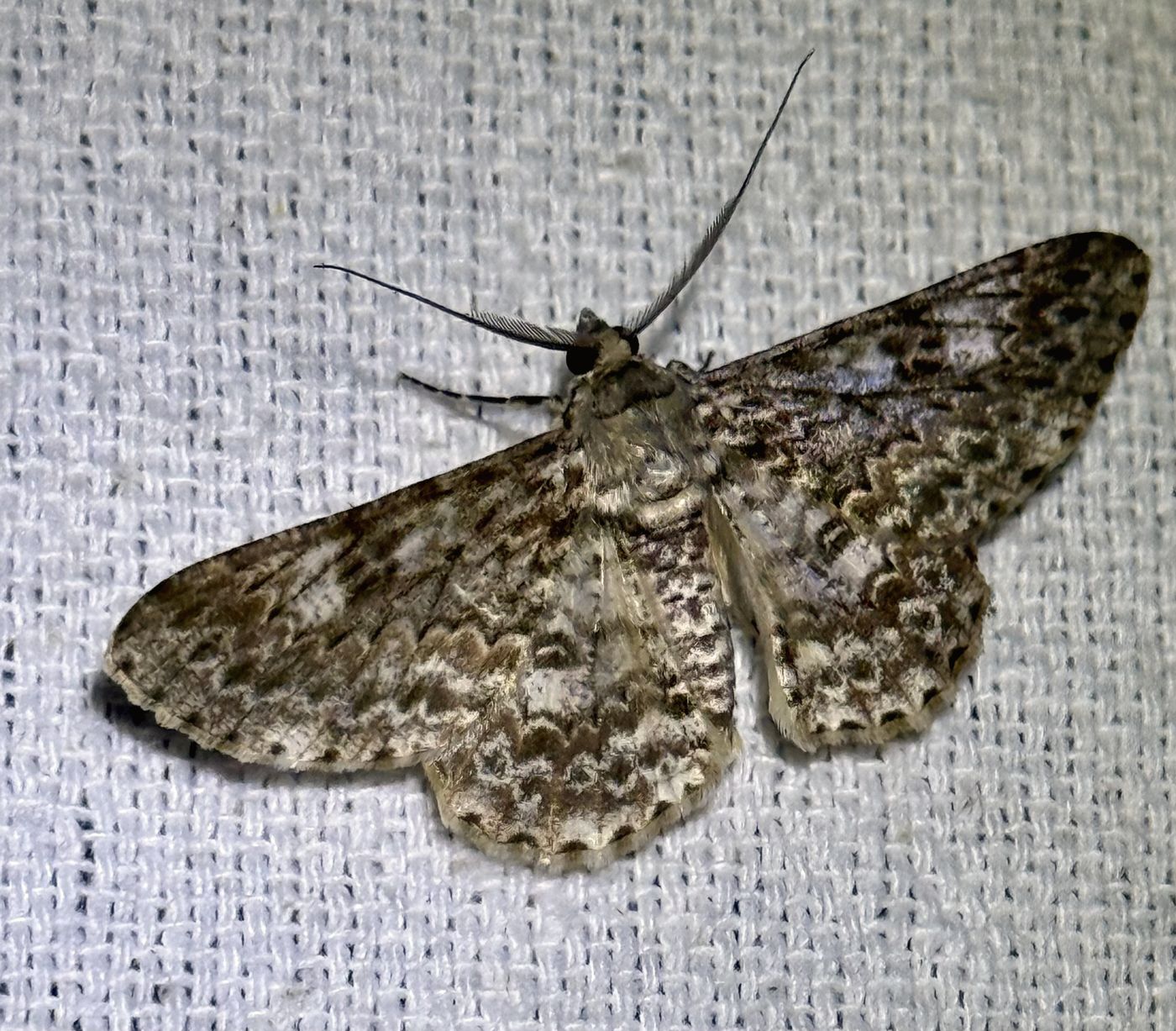
Microbats are small, fast and hungry. Many species eat moths, beetles and other flying insects that damage crops, and most of them roost in tree hollows and under bark that are now in short supply.
Pictured: a night-flying moth, the kind of insect microbats hunt.
We install two roost designs on each site, a natural Hunk-of-Trunk™ roost and a four-chamber roost, then monitor which suits the local bats. It’s part of every Beneficial Wildlife site and a natural partner to Owls-eat-Rats.
- Two roost designs, matched to site and aspect
- Monitored alongside owl habitat
- Suits orchards, vineyards, market gardens and backyards
03 · Pollinators
Homes for the bees you never see.
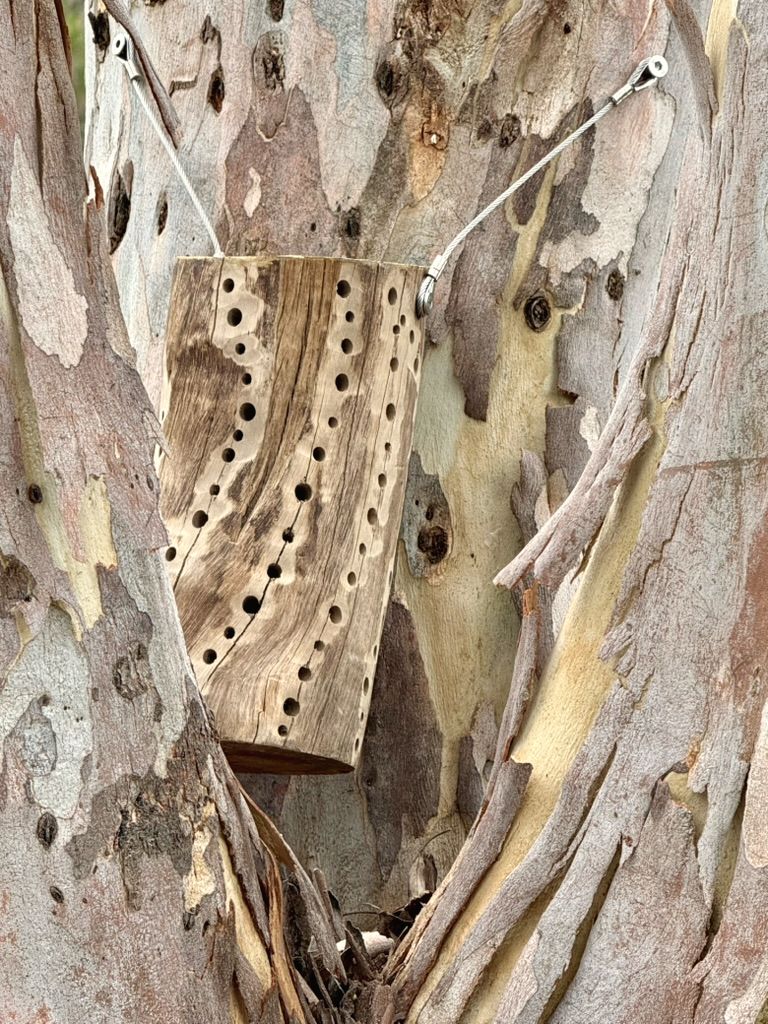
Australia has more than 1,600 native bee species, and most of them live solitary lives. Many nest in old beetle holes in dead wood, which tidy farms and gardens rarely leave behind.
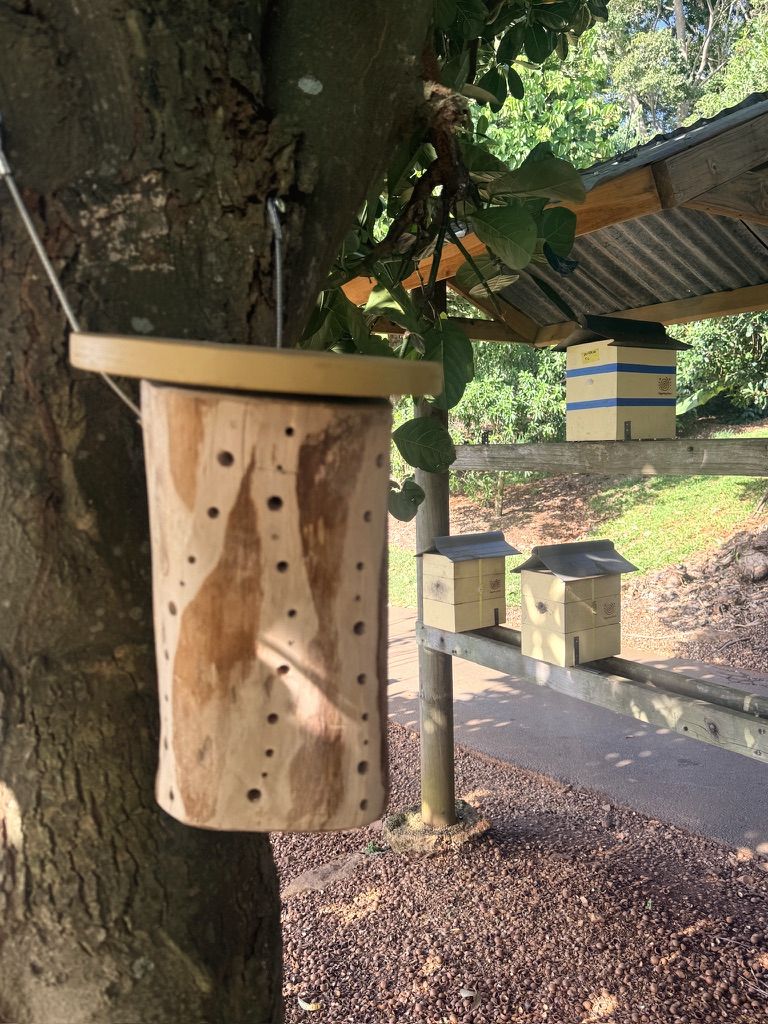
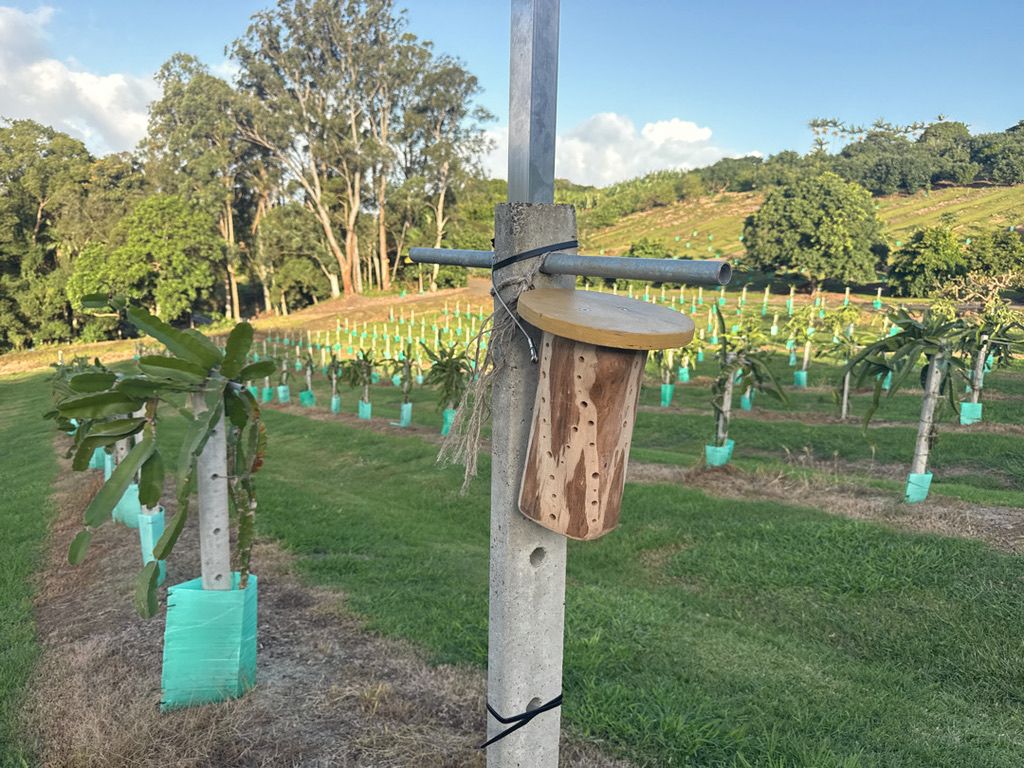
Our Hunk-of-Holes™ is a section of rescued trunk drilled with nesting tubes of different sizes for solitary bees, wasps and other pollinating insects. Placed near flowering crops and native plantings, it helps pollination along a little more reliably each season.
- Hand-made from rescued timber
- Ground or tree mounted
- Great for orchards, schools and gardens
Is it for you?
Where the program works best.
A good fit
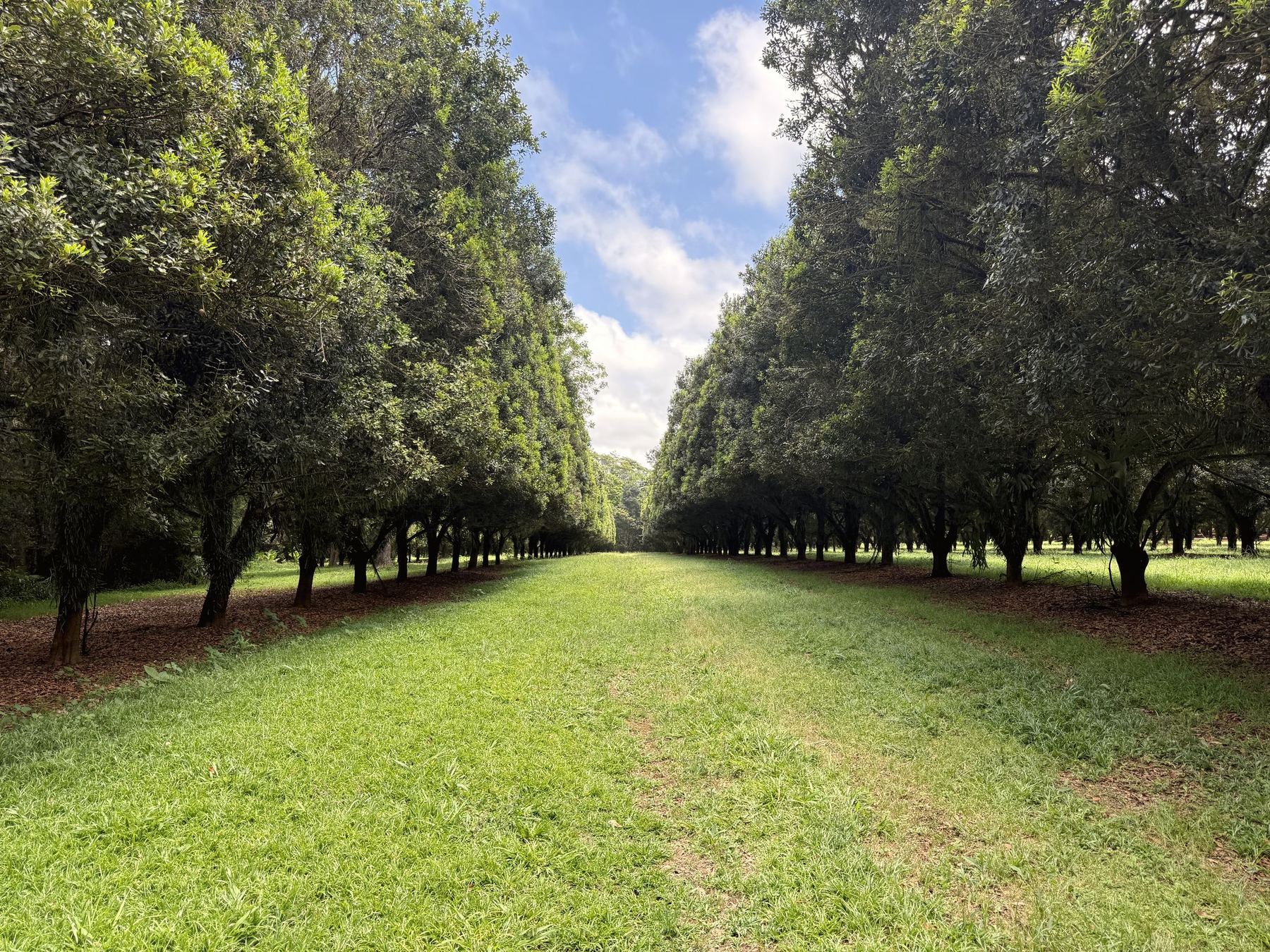
- Tree lines, windbreaks, remnant bush or a single big tree near crops
- Willingness to stop second-generation rat poisons (SGARs) across the farm
- Neighbours open to joining a landscape approach
- Small to medium farms that value biodiversity
Not a fit yet
- Sites with SGARs still deployed in the field
- Broadacre monocultures with no cover or edge habitat
- Properties surrounded by heavy poison use
Not sure? We’ll tell you honestly what’s feasible on your site.
Recognition & partners
Backed by people who know the land.


Want to trial it on your farm?
Start with the Owls-eat-Rats Starter package, or ask us for a tailored plan for your farm.