
Home/About
Slowing extinction, one hollow at a time.
Wildbnb creates habitat that supports the recovery of vulnerable wildlife, lifts local biodiversity and helps heal the landscape. We’re based in Mullumbimby, on Bundjalung Country.
Our mission
Fill the gap until the trees catch up.
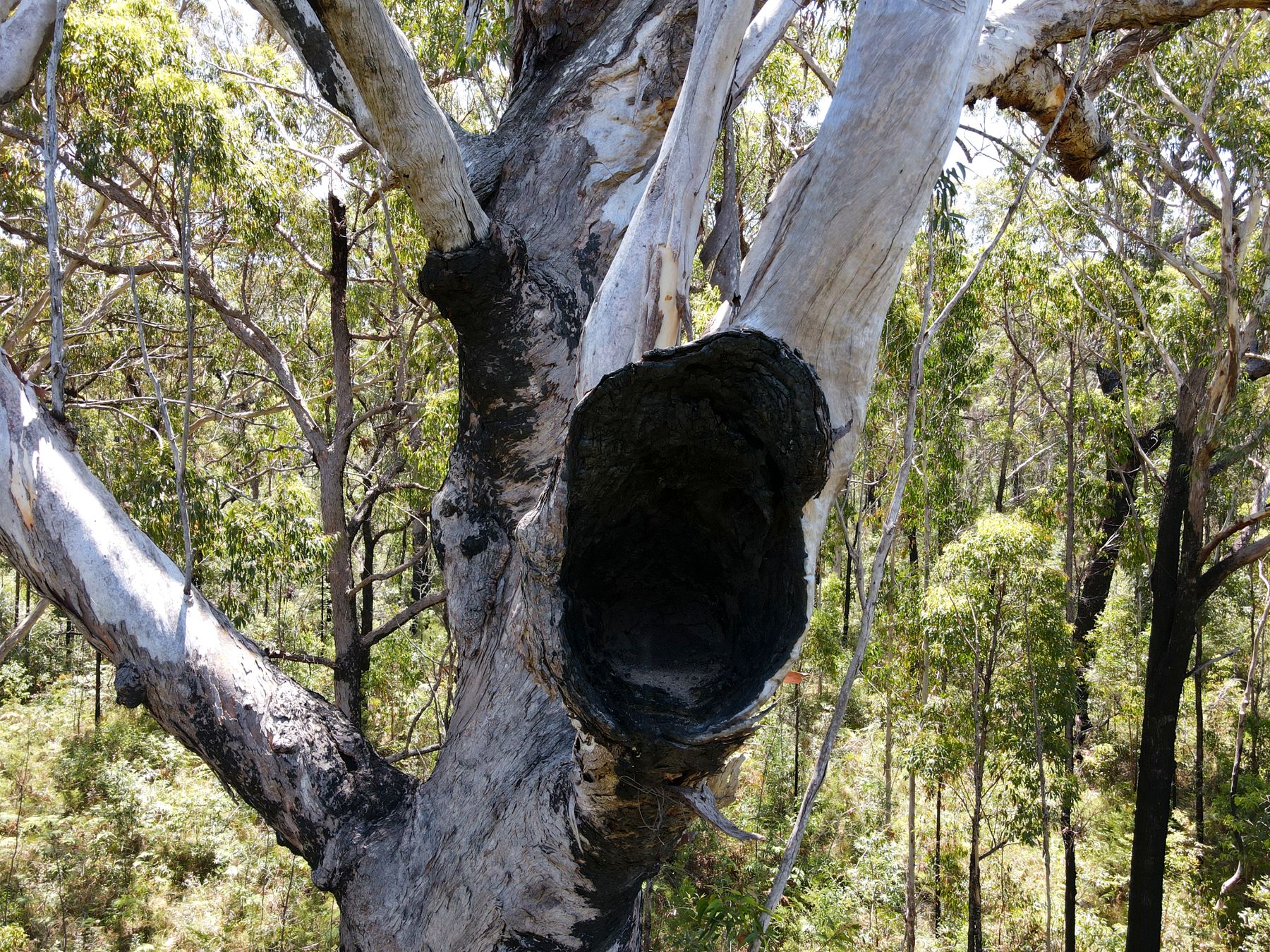
Tree planting is growing across Australia and more development plans now protect vegetation. That’s good news, but those trees will take hundreds of years to grow the hollows wildlife needs. Wildbnb works to fill that gap.
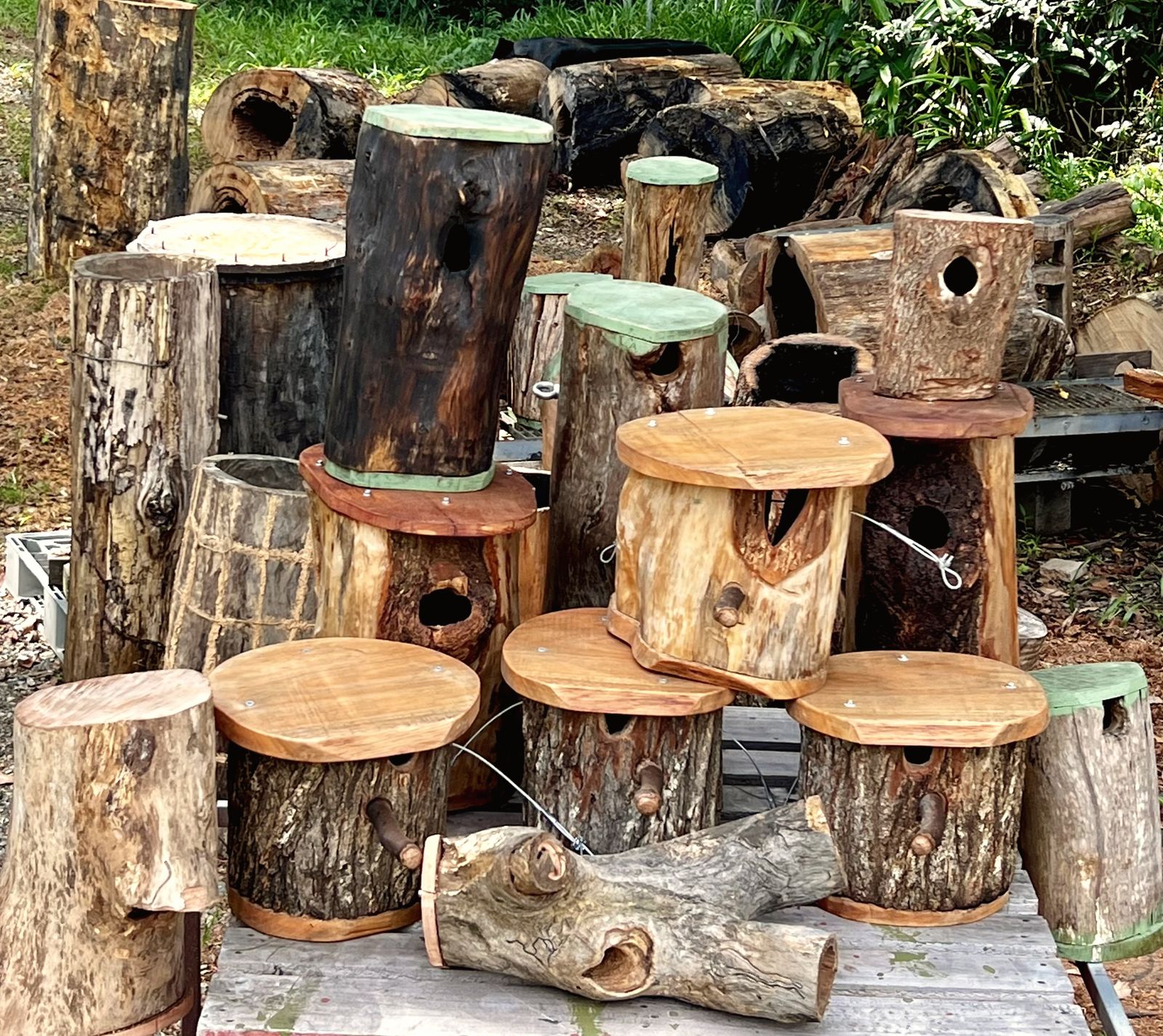
We design, build, install and nurture habitat in a networked landscape approach, supporting many species at once. We work across natural, regenerating, agricultural and urban land.
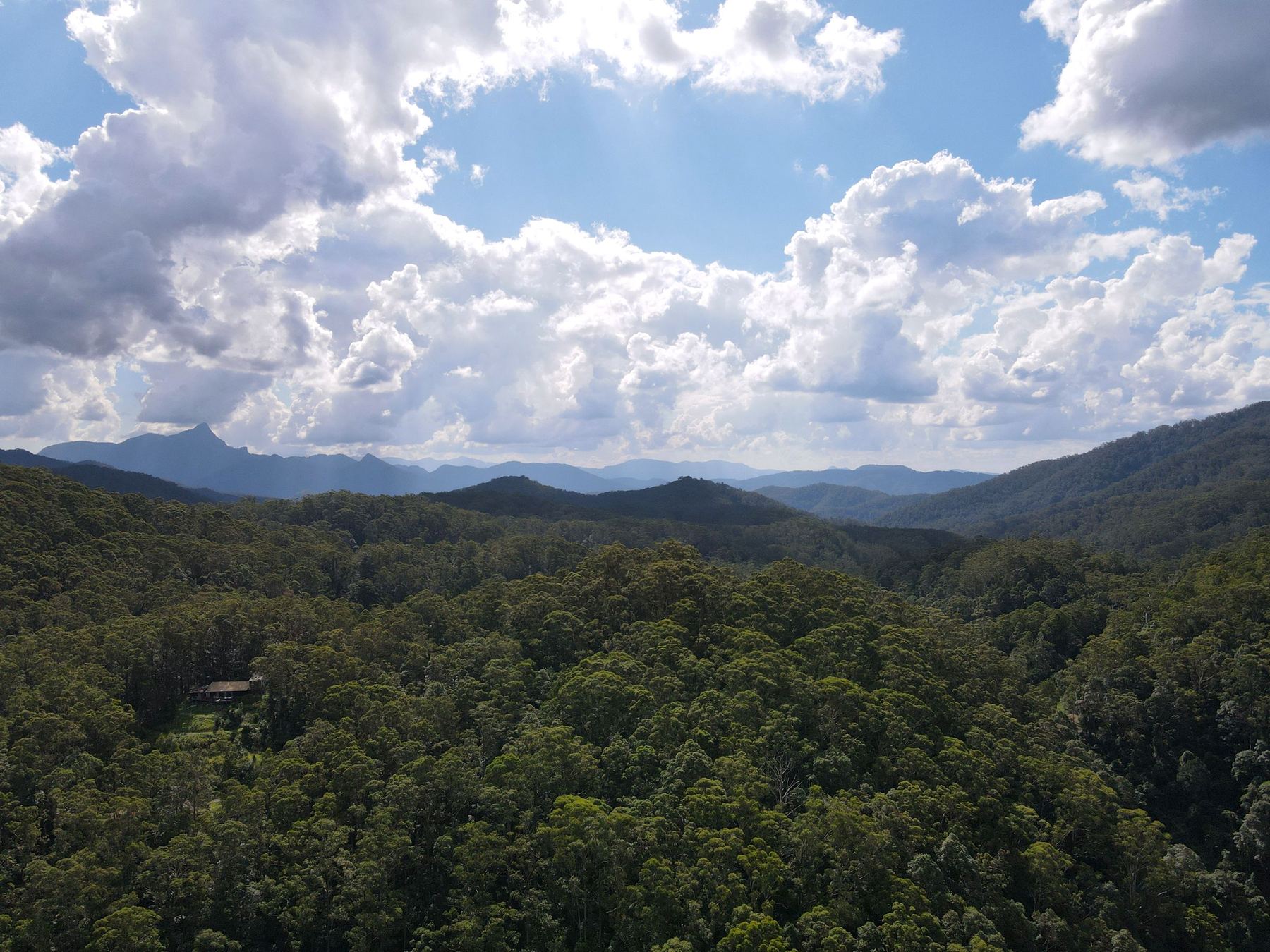
Our geographic centre is the NSW Northern Rivers, a chance to create up to 220,000 hectares of connected habitat with unique biodiversity values.
of native vegetation cleared in Australia each year
birds killed for every 100 ha bulldozed, along with up to 500 mammals and 15,000 reptiles
for the large hollows that owls, gliders and cockatoos need
How we work
Three things guide every project.
Cultural knowledge, science and technology
We work closely with landholders, conservation organisations, Traditional Owners and Indigenous ranger groups. The best results come from combining all three.
Evidence, not guesswork
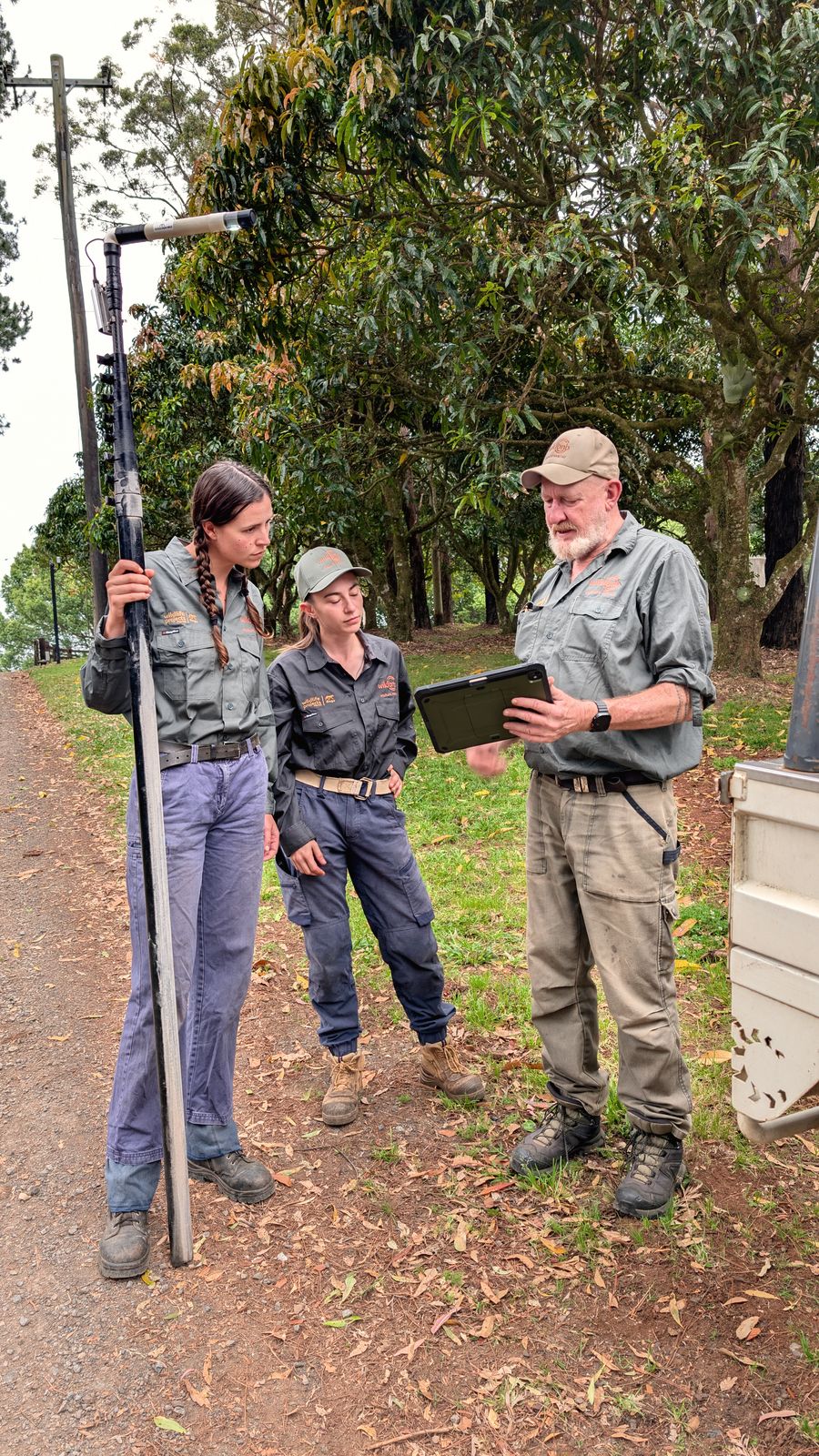
Every hollow is mapped and monitored. Pole cameras, wildlife cameras, bioacoustics and drones tell us what works.
Built to last
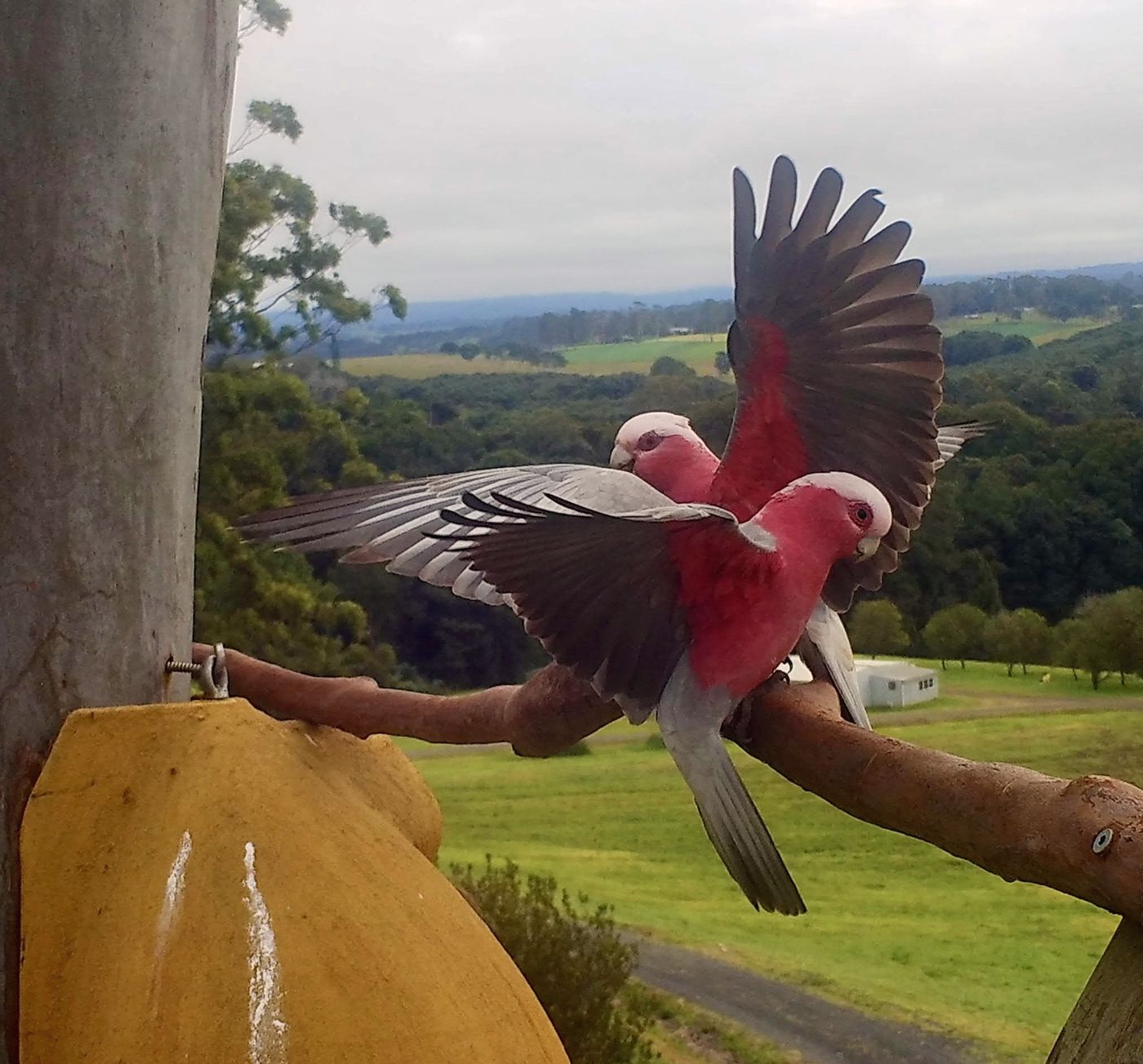
To have lasting impact, our business must be focused and disciplined. Long-term partnerships keep the habitat cared for.
A word from our director
Wildbnb exists to slow the rate of extinction of vulnerable species. We develop and deliver large-scale wildlife conservation projects that support all wildlife across natural, agricultural and urban landscapes.
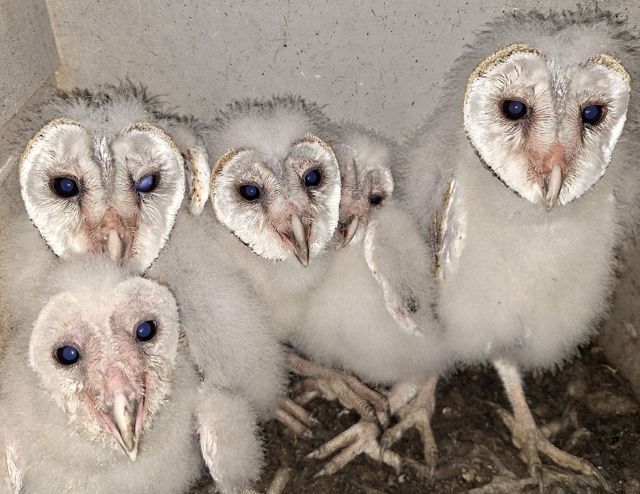
Our award-winning Owls-eat-Rats initiative, developed at Banyula, is part of a broader approach to on-farm biodiversity: using habitat, not chemicals, to support natural pest control. We work with landholders to explore how native predators like owls can reduce the use of rodenticides while supporting the broader ecological health of their farms.
We are also investigating how microbats can help control pest insects, and how to support the beneficial insects that pollinate food crops. Win-win outcomes for farmers and for wildlife.
Wildlife Projects group
Part of something bigger.
Wildbnb Wildlife Habitat is the habitat business of Wildlife Projects Pty Ltd, alongside our Beneficial Wildlife Program and Owls-eat-Rats.
Partners & supporters
We don’t do this alone.

Many of our partners and clients prefer to stay private, and we respect that. Logos are shown to acknowledge partnerships. All trademarks belong to their owners.
Work with us.
Landholders, councils, researchers and funders: we’d love to hear from you.